Hospitality-grade floor protection · Sizing help before you order · Apply for a business account
Sizing help · Apply for a business account
Hospitality-grade floor protection · Sizing help before you order · Apply for a business account
Sizing help · Apply for a business account
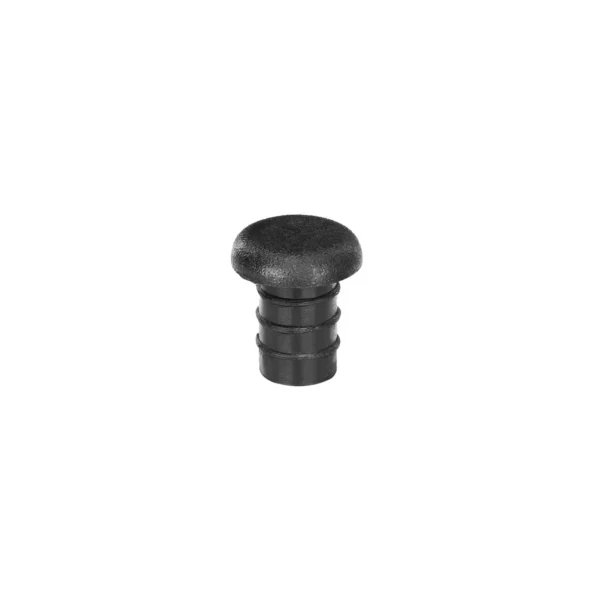
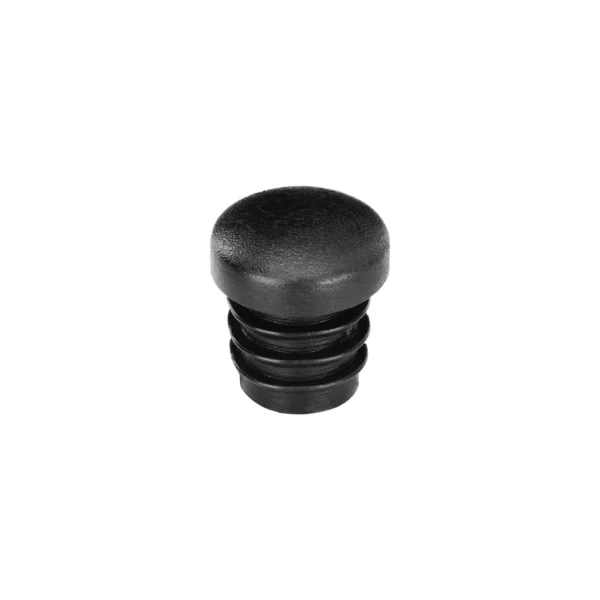
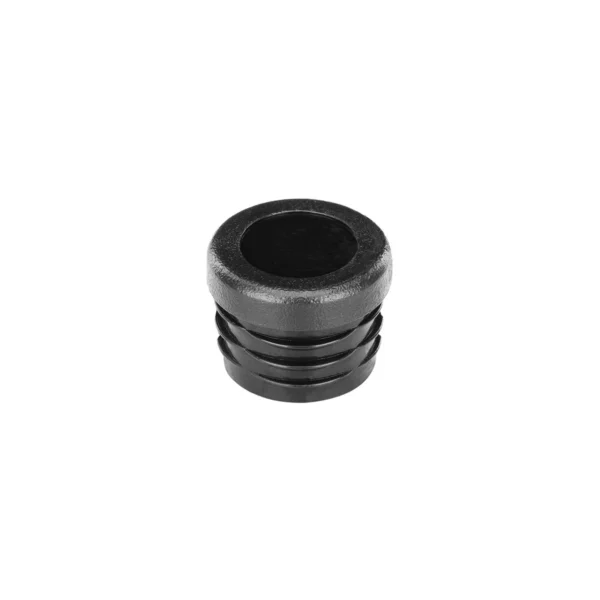
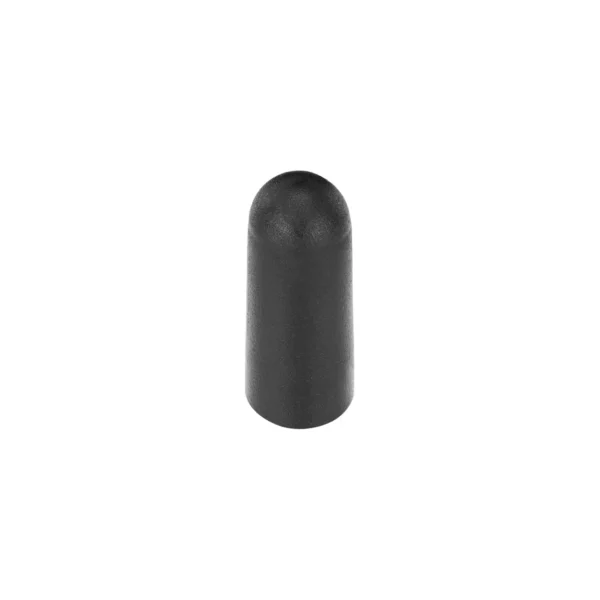
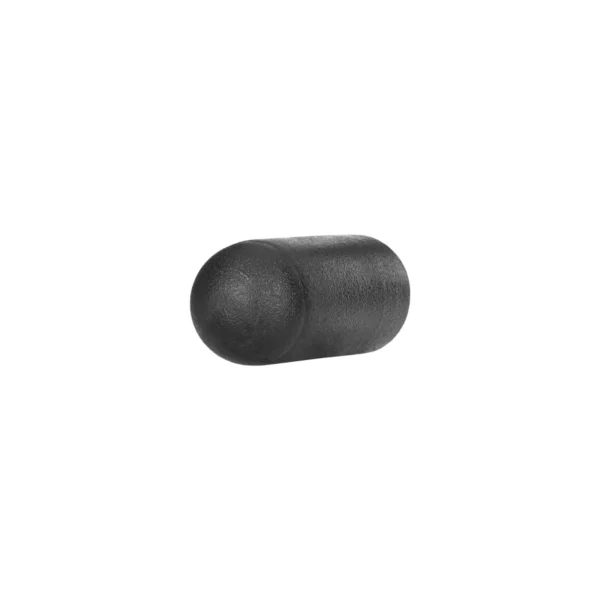
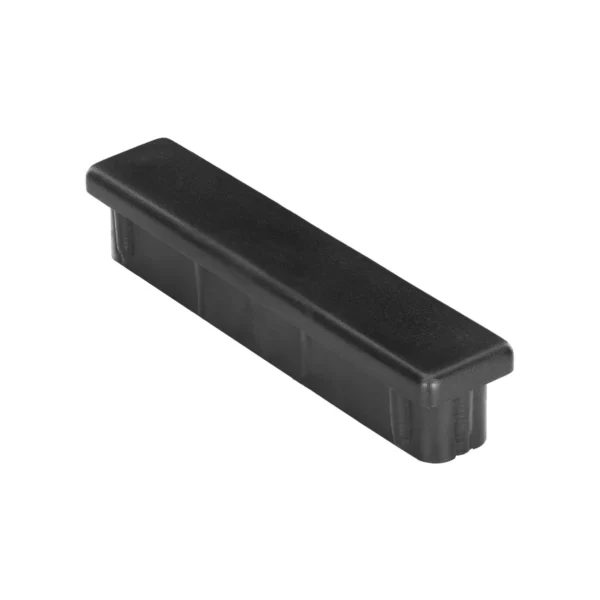
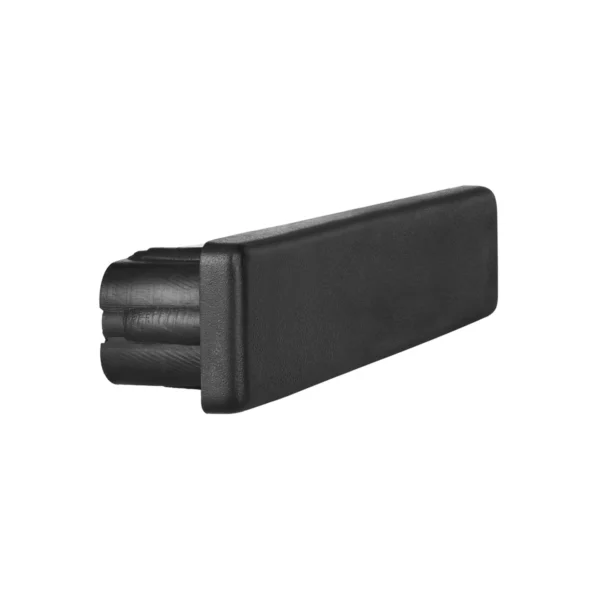
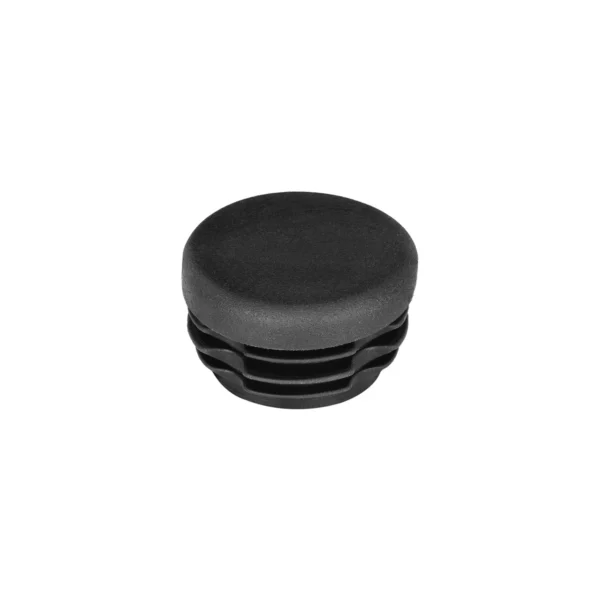
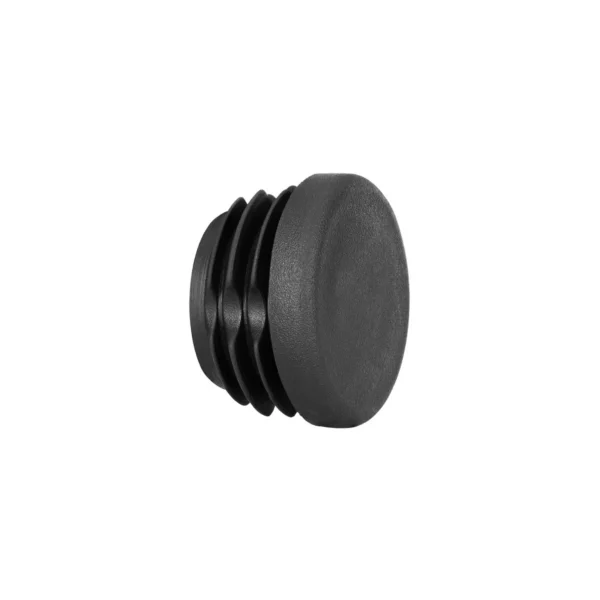
Looking for tube plugs and end caps? They are also sold as finishing plugs, tubing plugs and pipe plugs, and they are the same part. An open tube end scores a floor every time the chair moves. These press-fit into hollow tube legs to close the end and keep out dust. Ribbed inner plugs grip inside the tubing, end caps slide over the outside, and threaded inserts add a screw thread for leveling feet. Filter by shape and size below, or read the full guide.
Measuring
This is where most orders go wrong. The outside dimension tells you which plug. The wall thickness tells you which version of it, because the ribs have to grip the inside of the wall.
01
Measure across the outside of the tube. Round tubes: the diameter. Square and rectangular: both sides, longer one first. Oval and ellipse: the wide dimension, then the narrow one.
02
Look into the open end and measure the metal or plastic itself, not the hole. Most furniture tube runs 1 to 2 mm (0.04″ to 0.08″). Heavier commercial frames run thicker.
03
Filter by shape and outside dimension first, then narrow by wall thickness. A plug sized for a 1 to 2 mm wall will not grip a 3 mm wall, and one sized for 3 mm will not go in.
End caps are the exception. They push over the outside of the tube rather than into it, so they are sized by the outside dimension alone. No wall thickness needed.
Three types
All three finish an open tube. What changes is how they fit and what they let you do afterwards.
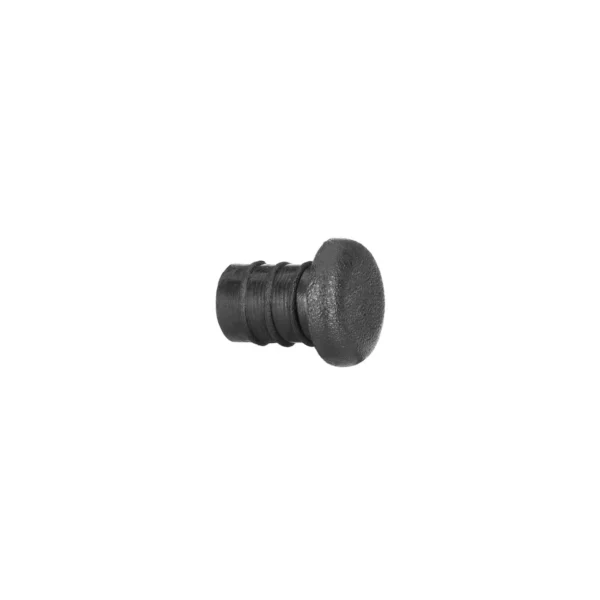
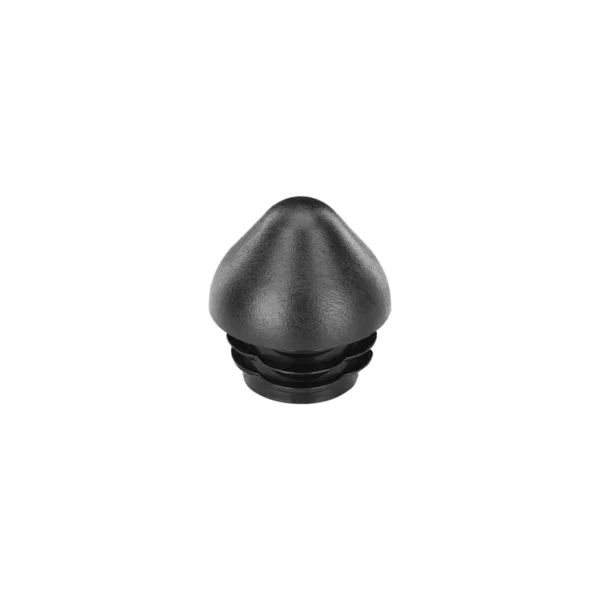
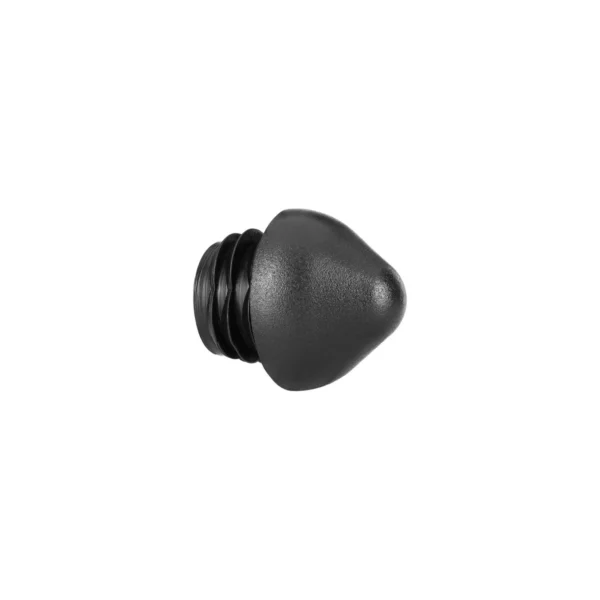
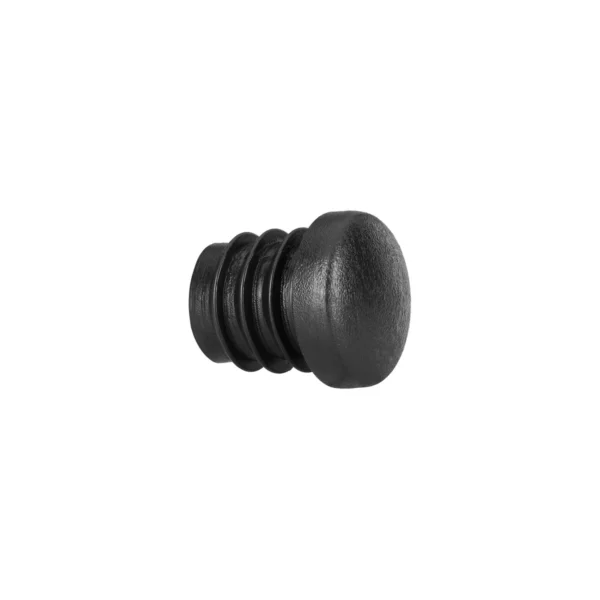
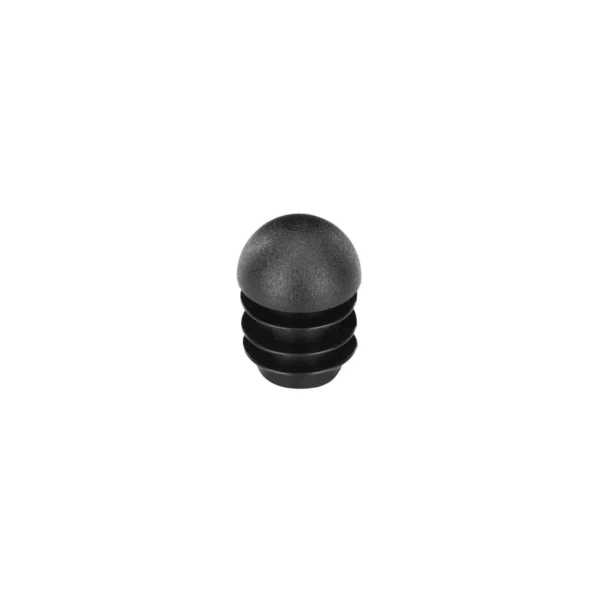
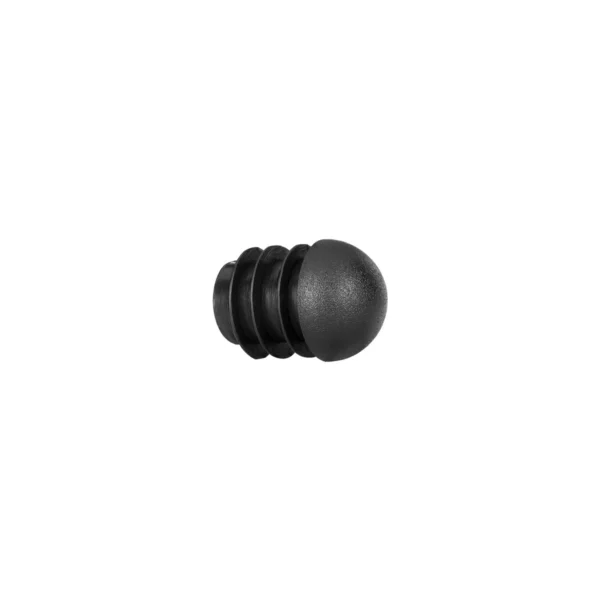
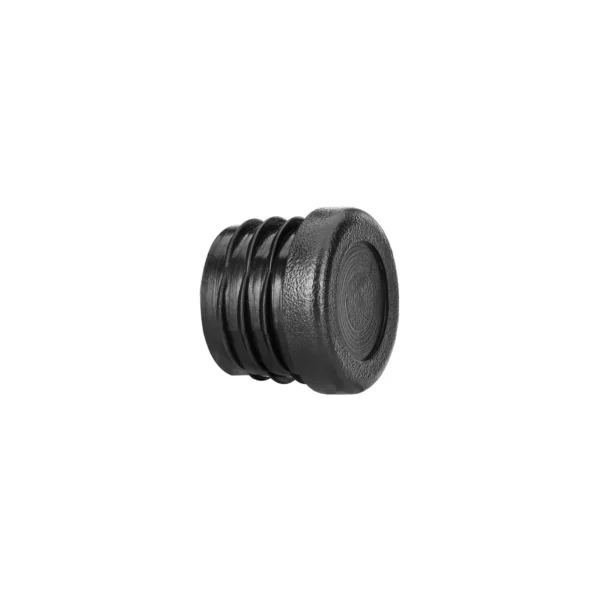
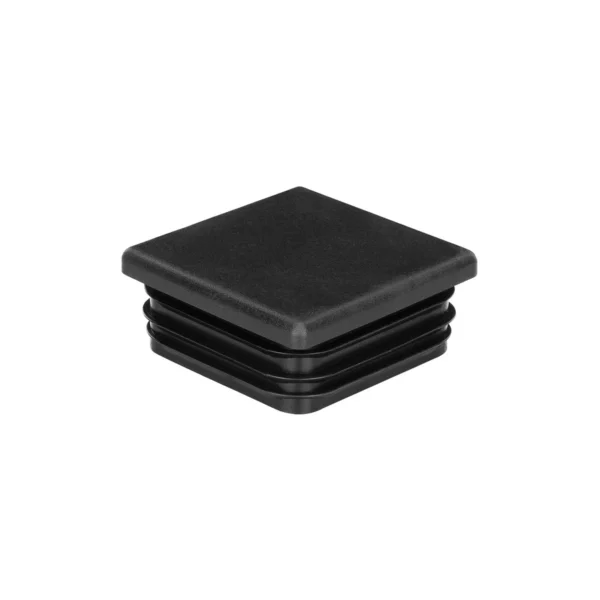
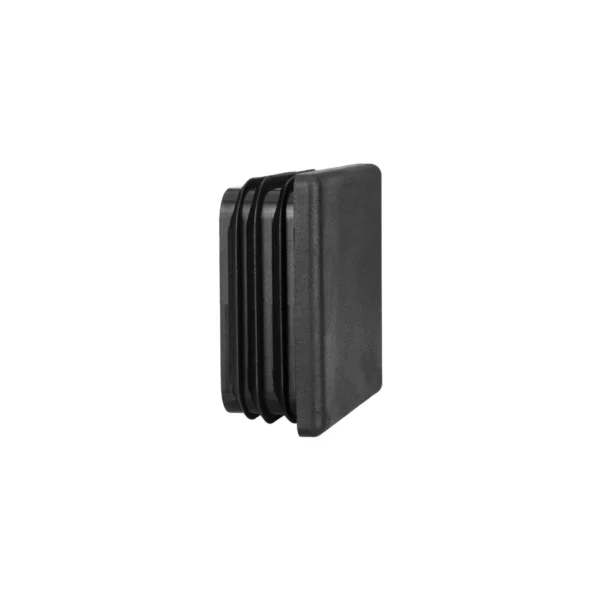
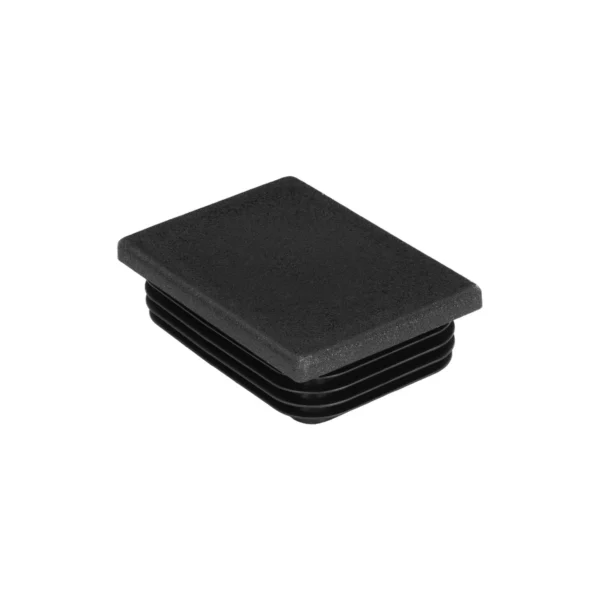
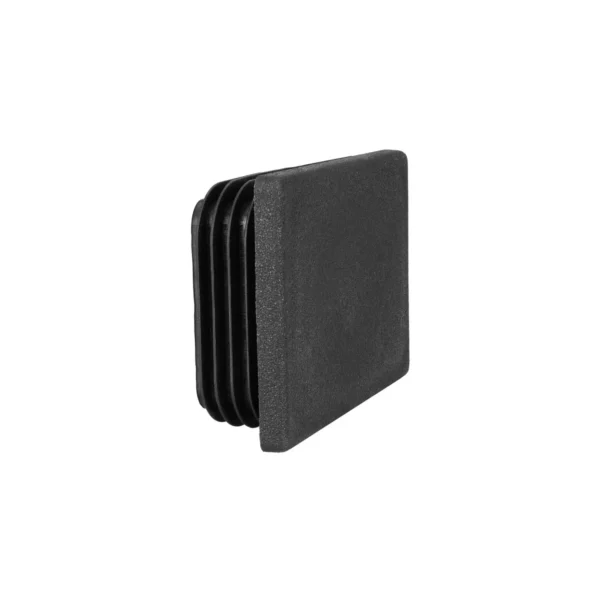
A ribbed finishing plug pushes into the open end and grips the inside wall. Domed and flat heads both sit flush. The usual choice for closing tubing and protecting the floor.
Twenty-one products across round, square, rectangular, oval and ellipse. Some carry a pad or a slot for one.
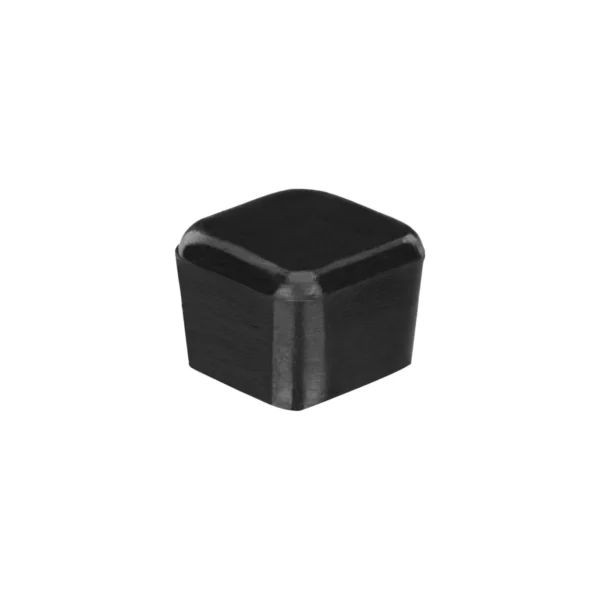
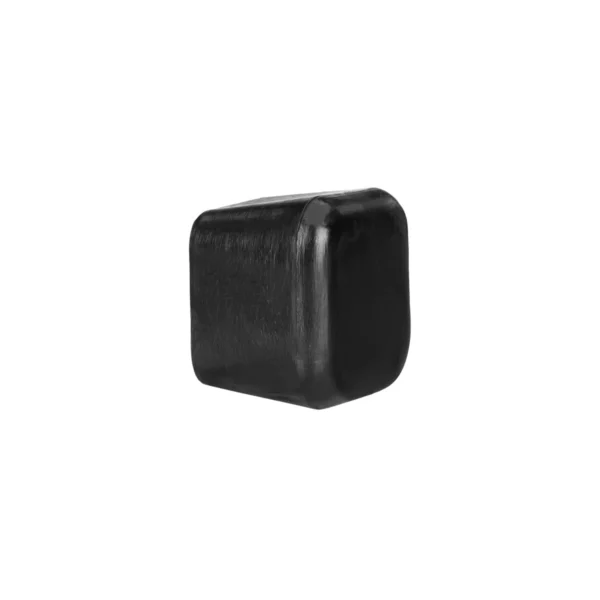
Pushes over the outside of the tube instead of into it. Useful when the tube wall is too thin or too thick for a plug to grip.
Sized by the outside dimension only. Round and square.
A plug with a metal thread built in, so a hollow leg can take a screw-in leveling foot.
Fit the insert first, then the foot. Stainless versions suit damp and washdown areas.
Not sure this is the right line
These are for legs you can see down inside. If the bottom of your leg is closed, or the frame is a continuous runner, you want a different line.
An open tube you can see into. Measure the outside dimension of the tubing and the wall thickness, then pick a finishing plug, an end cap or a threaded insert.
A closed, flat bottom, including a metal tube with a plate welded across it. Glides for legs that move often, pads for larger bases.
A continuous runner rather than separate legs, as on cantilever and stacking chairs. Those clip or screw onto the outside of the tube.
Before you order
The two measurements are covered higher up. What lands here are the doubts that surface with a plug already in the basket.
Slide a steel rule into the open end and read the metal itself, or push a plug in from a set you already have and see which grips. Failing that, most domestic furniture tube is 1 to 2 mm (0.04″ to 0.08″). Commercial and outdoor frames are usually thicker. If you are guessing, an end cap avoids the question entirely because it fits over the outside.
The wall is thinner than the plug was sized for, so the ribs are not biting. Check the wall thickness against the product listing and move to the version rated for a thinner wall, or fit an end cap over the outside instead.
It closes the tube and stops a bare metal edge cutting into the surface, which is most of the job. For a smooth hard floor, choose a version with a pad fitted or a slot to take one. The plain versions are fine on carpet.
Yes. Oval, half-oval and ellipse are all stocked, along with round, square and rectangular. Measure the wide dimension first, then the narrow one, and filter by shape.
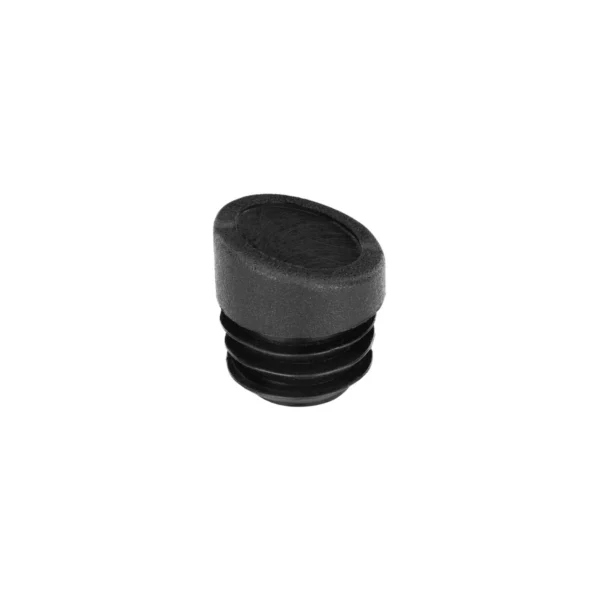
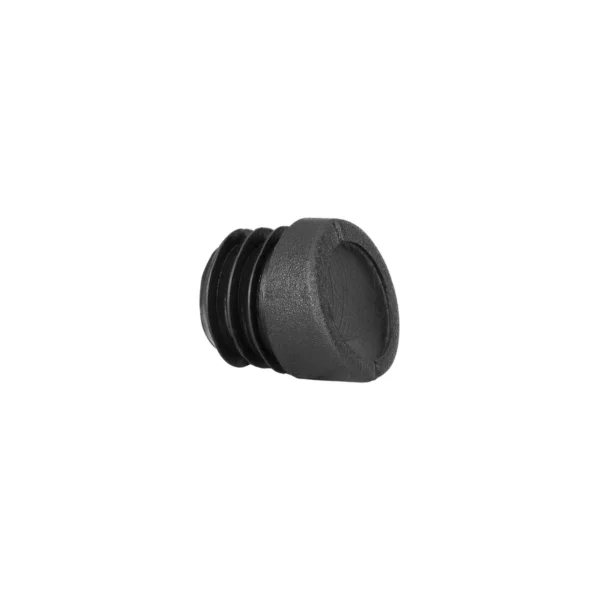
Yes. Angled plugs are built with the base set at an angle so it still meets the floor flat on a leg leaning between 9 and 22 degrees. Filter to the angled variant rather than forcing a straight plug in.
Yes, with a threaded insert. It pushes into the tube like a plug and gives you a metal thread to screw the foot into. Fit the insert first, then choose the foot by thread size.
In more detail
Tube plugs and end caps close the open end of a hollow furniture leg. They are also sold as finishing plugs, tubing plugs and pipe plugs, and they are the same part. Round, square, rectangular, oval, and half-oval, across hundreds of sizes, plus threaded inserts that turn a bare tube into something a leveling foot can screw into.
A ribbed inner plug pushes inside the tubing and grips the wall with molded ribs, giving the leg a finished floor face. Domed and flat heads both sit flush once seated. An end cap goes over the outside of the tube, which is the choice when the cut edge is rough, or the outside diameter is what you need to cover. A threaded insert is an inner plug with a metal nut in it, so a leveling foot or a bolt has a thread to go into.
Outside dimension and wall thickness. The outside dimension tells you the family; the wall thickness tells you which plug in that family fits. Get the wall thickness wrong, and the plug either will not enter or goes in loose and works its way back out. Measure the metal itself at the open end with a rule or a caliper.
Chairs and stools with splayed legs need a plug built with the base set at an angle, so the floor face still lands flat. Angled versions cover legs leaning between 9 and 22 degrees.
A plain plug closes the tube and keeps bare metal off the floor, which handles most rooms. For a smooth, sealed floor, choose a version with a pad on the base.
The guide to tube plugs and finishing plugs walks through measuring and shape matching.
Still deciding
Point a camera down the open tube with a ruler across it. The reply names the family, the size and the wall rating, and only then does anything go in a cart.