Hospitality-grade floor protection · Sizing help before you order · Apply for a business account
Sizing help · Apply for a business account
Hospitality-grade floor protection · Sizing help before you order · Apply for a business account
Sizing help · Apply for a business account
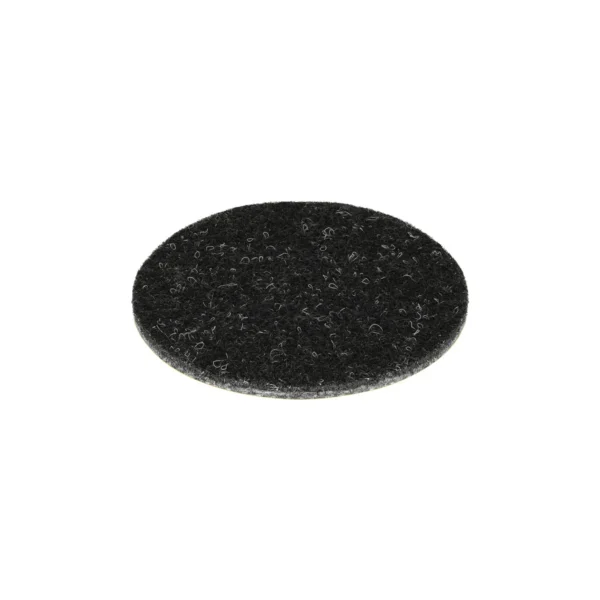
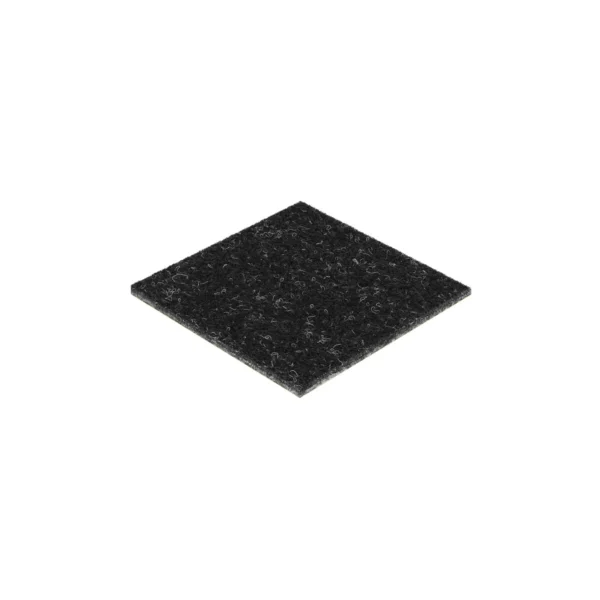
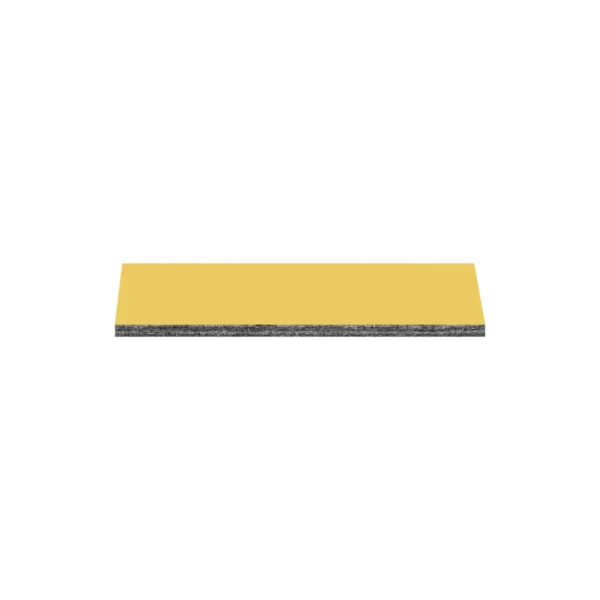
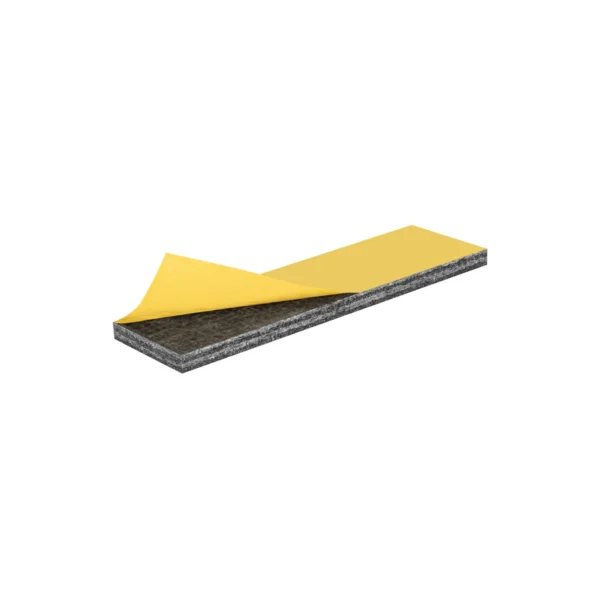
Shopping for furniture pads for hard floors? You’re in the right place. These self-adhesive PA6 pads stick under furniture that stays put, cushioning hardwood, tile, and laminate against scratches and dents. Standard pads suit everyday furniture, heavy-duty handle concentrated weight, and foam level wobble on uneven legs or floors. Filter by type and shape below.
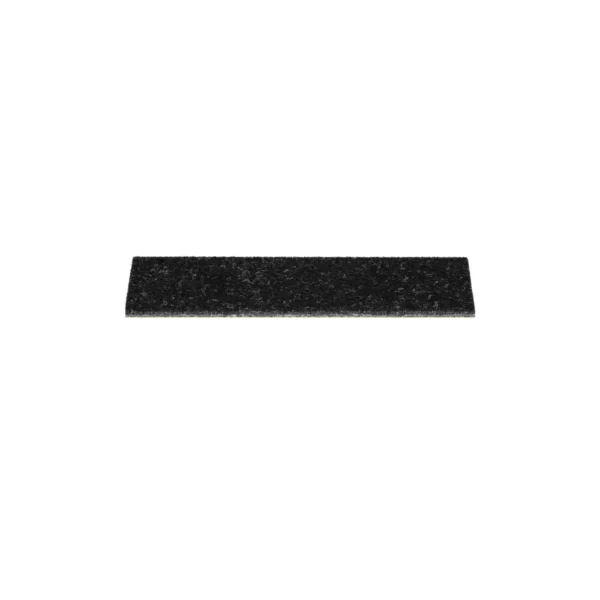
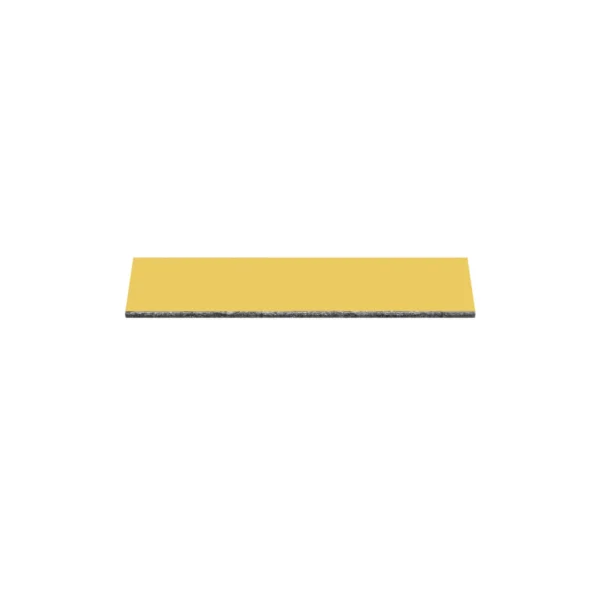
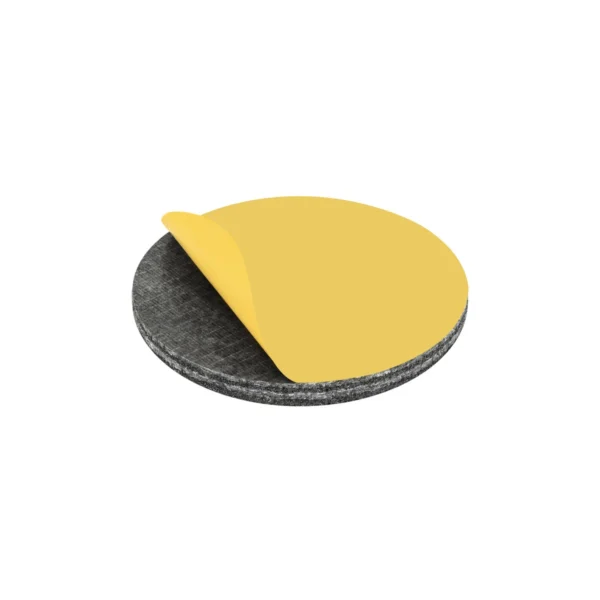
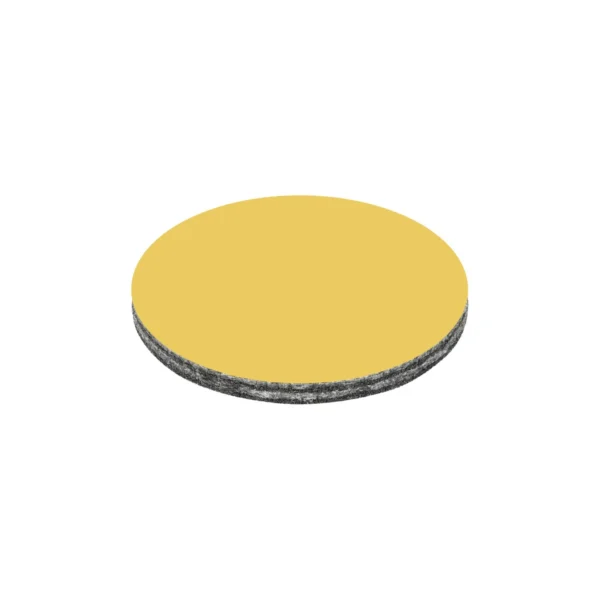
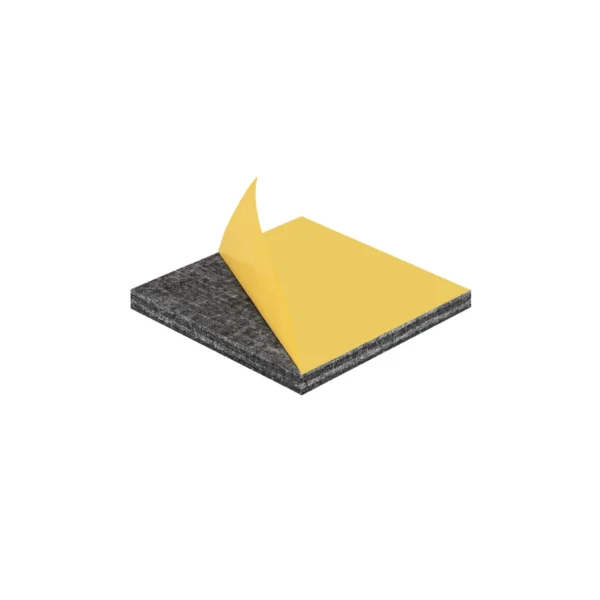
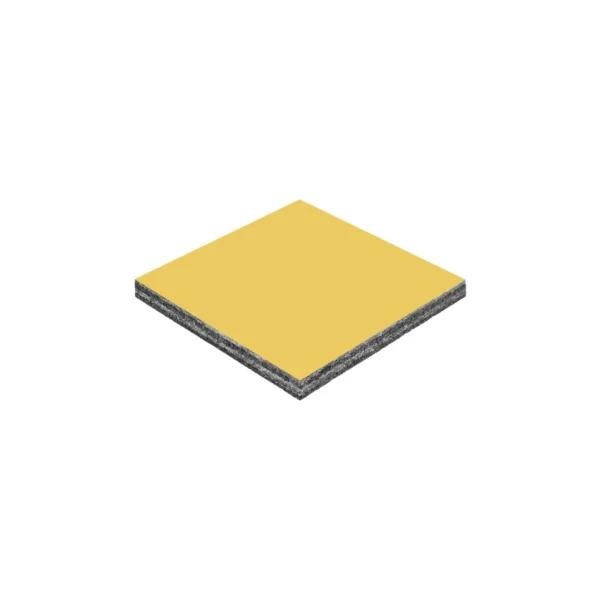
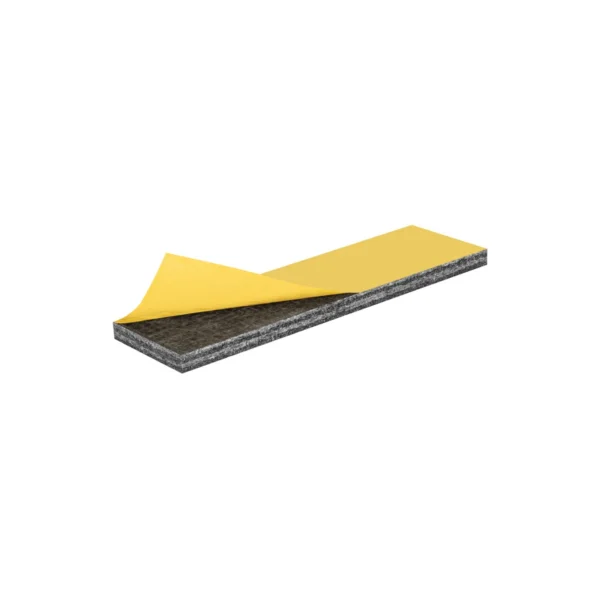
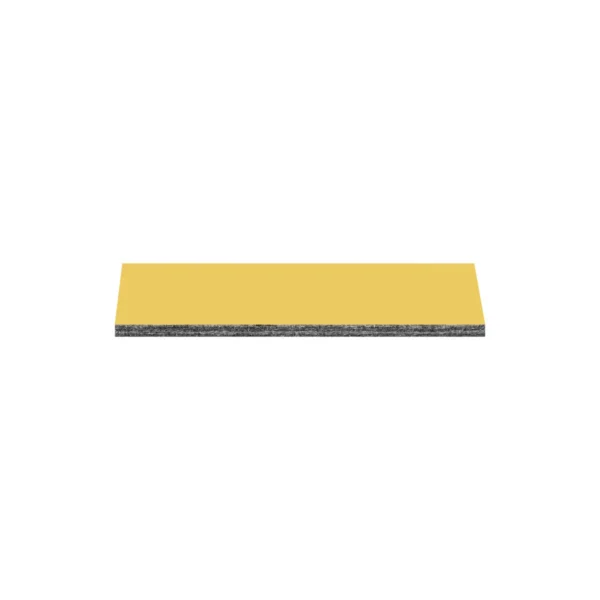
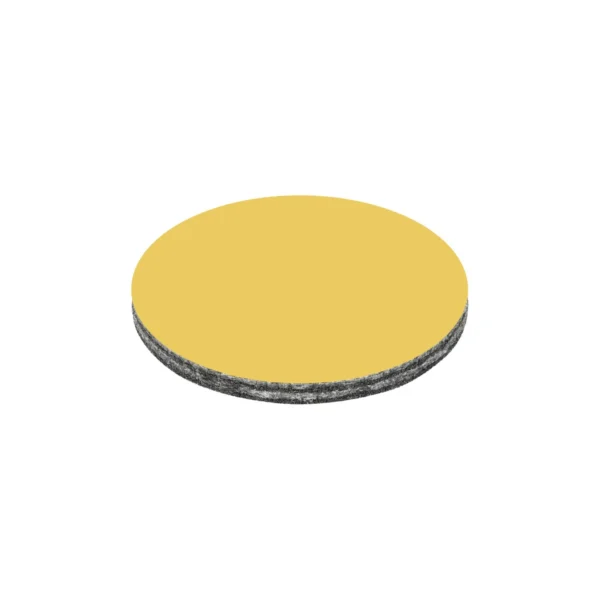
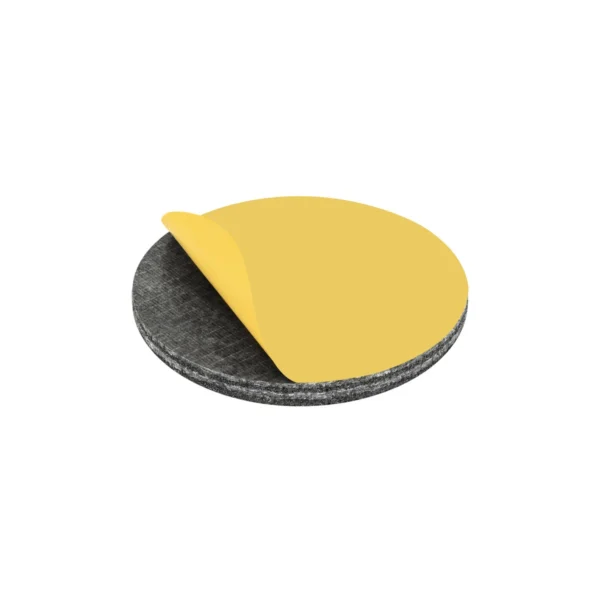
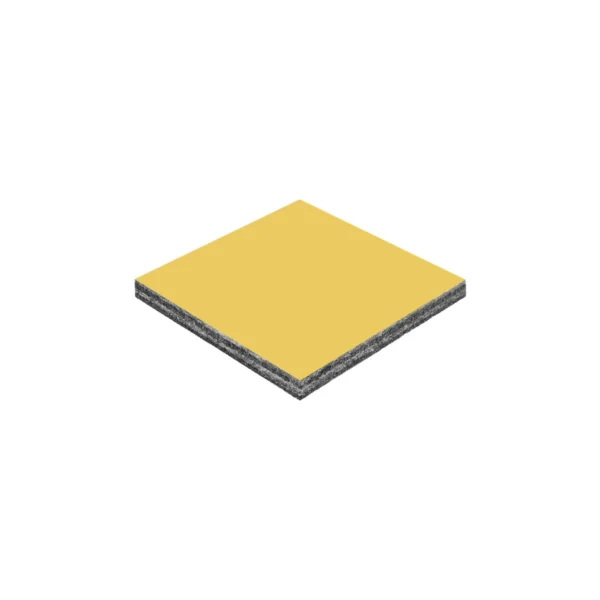
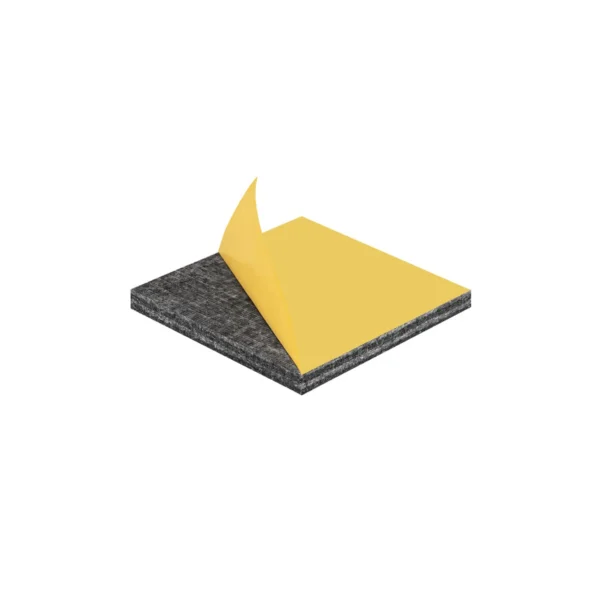
Pad type
All three use the same needle-punched PA6 face. What changes is how much is underneath it.
Everyday loads in a home. Dining chairs, side tables, cabinets, anything that sits on a smooth hard floor.
The default. Thinnest profile of the three, so the leg height barely changes.
Heavier furniture and commercial rooms. Restaurant tables, conference furniture, anything under sustained weight.
A thicker, reinforced build that keeps its shape under load.
Heavy furniture that stays put, and rooms where noise carries. Pianos, sideboards, display cases.
A foam core under the PA6 face that cushions and damps vibration.
Sizing
Pads cover a far wider range than glides, so rather than a list, the rule is simple: measure the leg base and take the largest pad that still sits within it.
Ø 12 to 300 mm
33 sizes
0.47″ to 11.81″. Steps of 10 mm above 30 mm, finer below.
20 × 20 to 300 × 300 mm
31 sizes
0.79″ to 11.81″. Steps of 10 mm above 30 mm.
20 × 30 to 300 × 300 mm
107 combinations
Plus long strips to 510 mm (20.08″) for continuous bases and sled runners.
Pick your shape and type first. Every size for that combination is listed on the product page, so you choose the exact size there rather than filtering for it here. Legs over 300 mm (11.81″) take a strip or a custom size by arrangement.
Not sure this is the right line
Pads are the stay-put line. When the furniture moves, or the floor argues, one of the cards below is the better home.
Smooth hard floors, and furniture that stays put or moves occasionally. Adhesive only, and by far the widest size range.
For furniture that travels: a rigid glide, riveted or bonded, built for legs that slide across the floor daily.
For rooms with pile or texture underfoot: the ABS face rides over carpet and grout lines that would shred a fiber pad.
Before you order
Tier and size are settled further up. These are the loose ends people tie off just before paying.
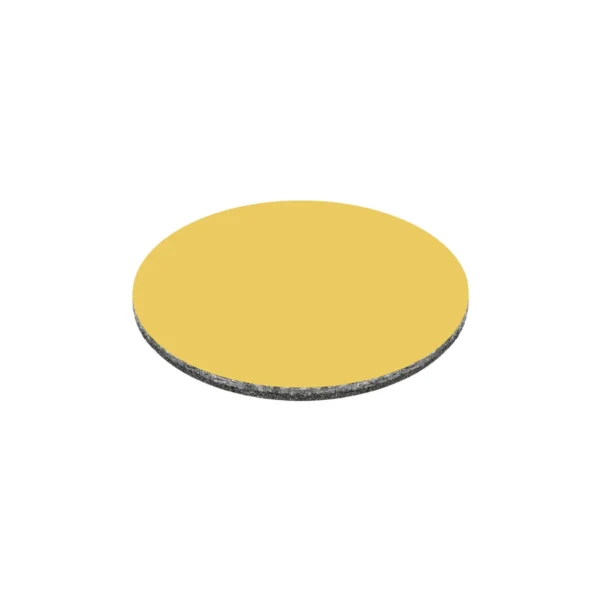
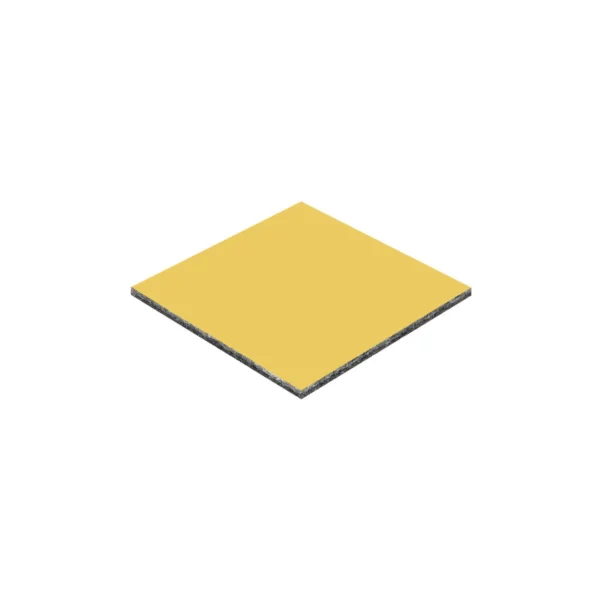
EHBT tape bonds across the whole face, not a spot in the middle, and it is rated waterproof. Clean the leg first, press for 30 seconds, then leave it 48 hours before the furniture goes back into normal use. That cure time is what most failed adhesive pads never got.
Not as a single pad. Above 300 mm (11.81″) the options are a rectangular strip, which runs to 510 mm (20.08″), or a custom size by arrangement. Continuous bases and sled runners usually take strips rather than discs.
Slightly. Standard is the thinnest of the three, heavy-duty adds more, and foam adds the most. If a table has to stay level with something beside it, fit the same type to every leg.
Yes, and it is the step most people skip. The face has to be clean, dry and free of old adhesive or felt residue. Wipe it with isopropyl alcohol and let it flash off. Then press for 30 seconds and leave it 48 hours before the furniture goes back into normal use.
A strip is a long rectangular pad, up to 510 mm (20.08″). Discs and squares suit individual legs. Strips suit continuous bases, sled runners and long plinths, where a row of separate pads would leave gaps that still touch the floor.
Yes, and with pads it is the norm, since a set of furniture rarely runs one leg size throughout. The minimum of 4 and the step of 2 apply across the whole basket rather than per size. Stocked sizes ship within 1 to 3 business days; made-to-order ones are produced in runs, with the lead time confirmed in writing before you commit.
In more detail
Furniture pads for hardwood floors are self-adhesive protectors for furniture that stays where you put it. They spread the weight of a leg across a wider face, so the floor finish is not carrying a point load, and they come in three tiers for different jobs.
Standard pads suit everyday furniture on a flat leg base. Heavy-duty pads are thicker and take concentrated weight on a small contact point, which is what a loaded bookcase or a metal-framed table puts on a floor. Foam pads compress, so they suit a leg that does not sit perfectly flat, or a slightly uneven floor.
Pads are for pieces that stay put: sofas, beds, cabinets, bookcases, appliances. Glides are for pieces moved several times a day. Fit a pad to a dining chair, and it will work, but it wears faster than a glide built for that duty.
Round runs to Ø 300 mm (11.81″), square to 300 × 300 mm (11.81″ × 11.81″), and rectangular strips to 510 mm (20.08″) for continuous bases and sled runners. Measure the base and pick the size that sits within it. A strip is the answer for a long, unbroken base, rather than several pads in a row.
Hardwood and engineered wood, laminate at any AC rating, luxury vinyl plank and tile, glazed porcelain, polished ceramic and stone. Anywhere a point load would leave a mark in the finish.
The face has to be clean, dry, and free of old adhesive before the pad goes on. Wipe it with isopropyl alcohol, press the pad for 30 seconds, then leave the piece unloaded for 48 hours while the bond cures.
The guide to furniture pads for hardwood floors covers the tiers and fitting in detail.
Still deciding
Lay a ruler across the leg base, photograph it, and send it over. Tier and size come back by reply before you spend anything.
