Hospitality-grade floor protection · Sizing help before you order · Apply for a business account
Sizing help · Apply for a business account
Hospitality-grade floor protection · Sizing help before you order · Apply for a business account
Sizing help · Apply for a business account
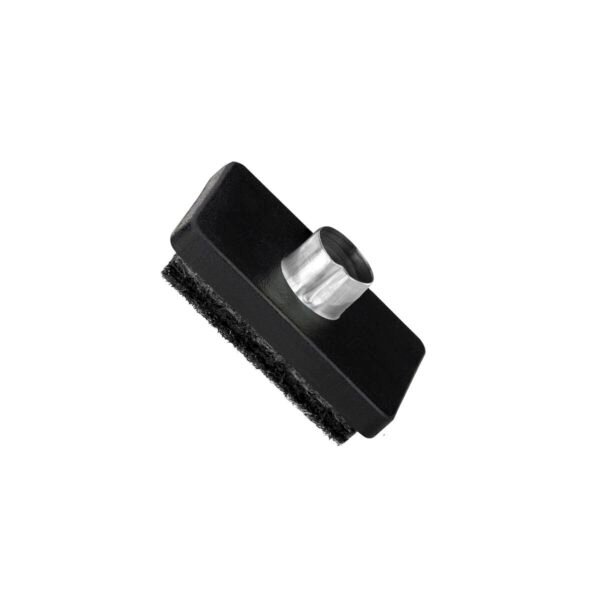
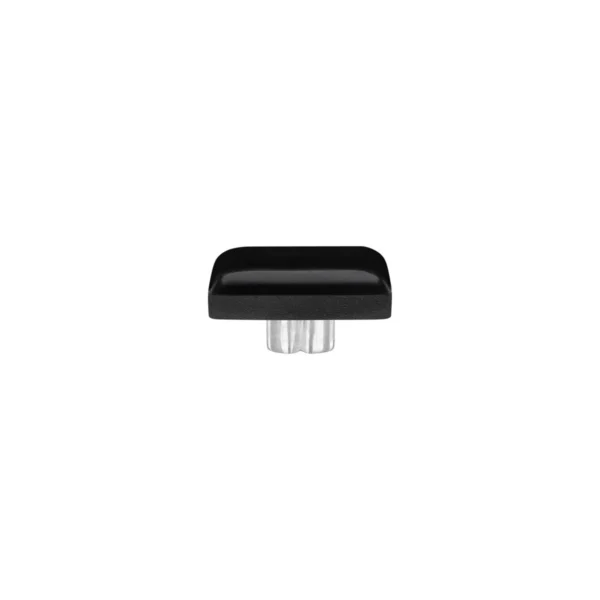
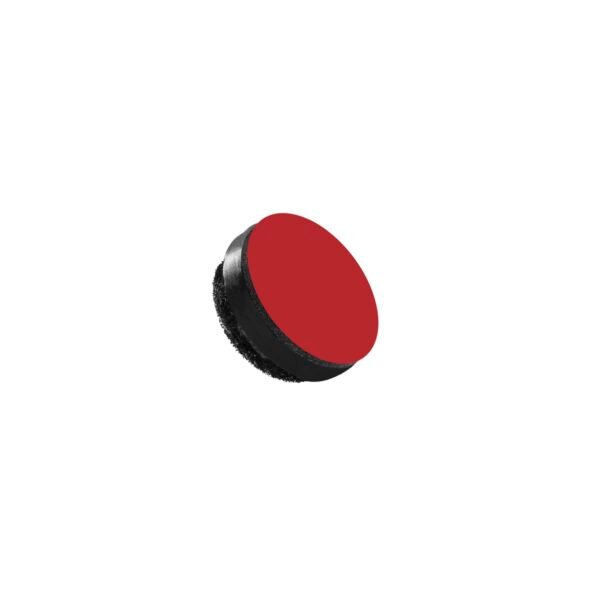
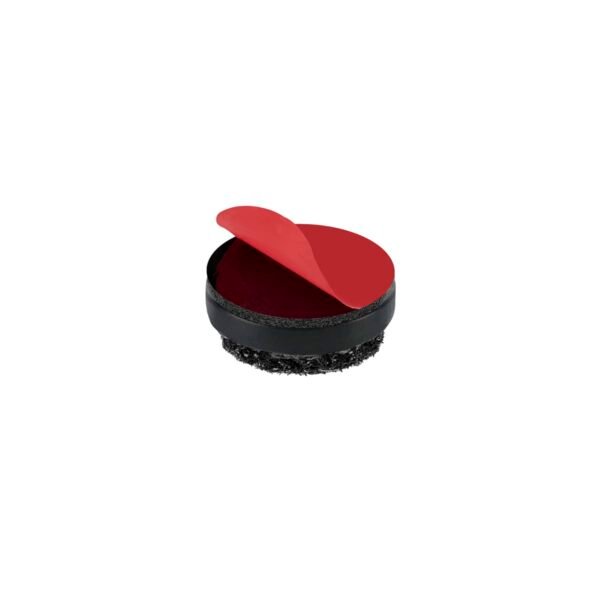
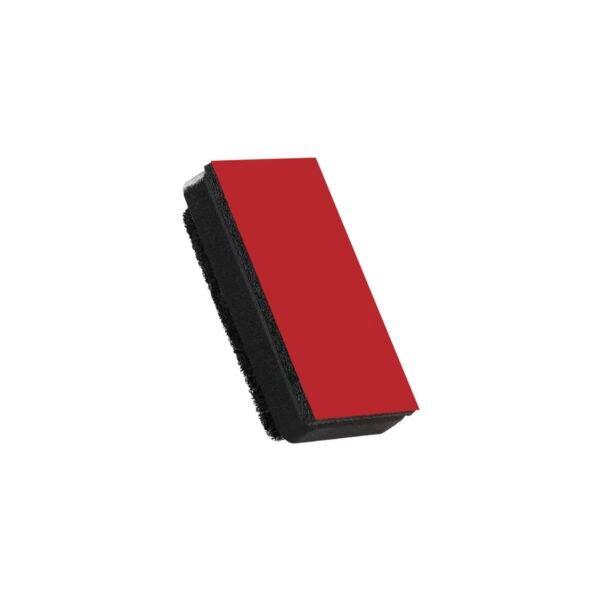
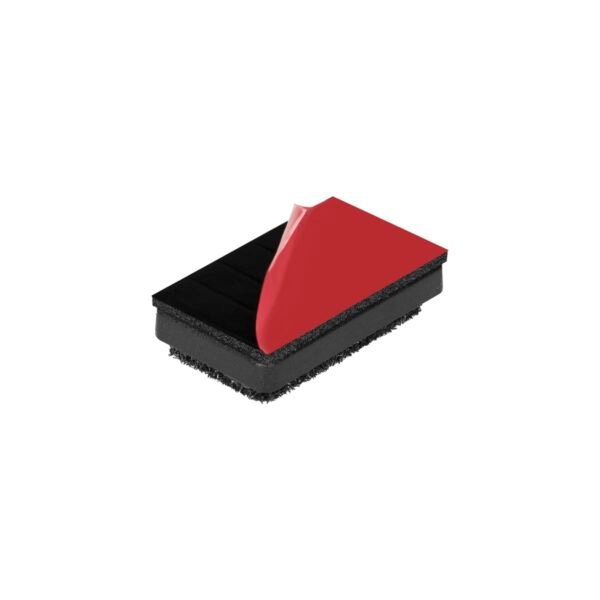
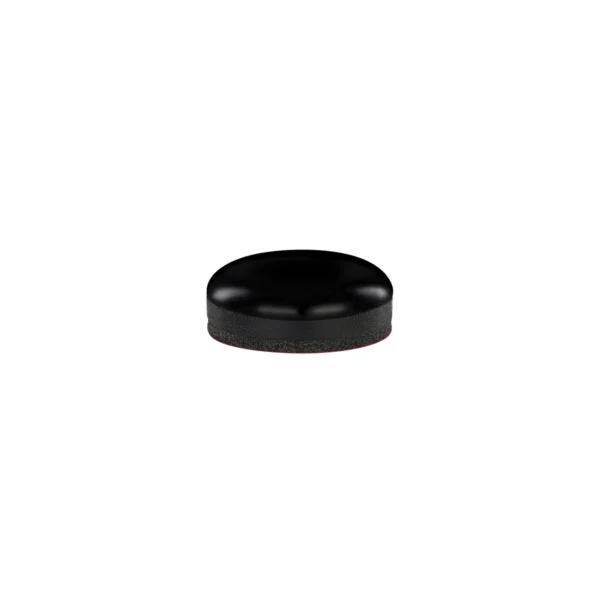
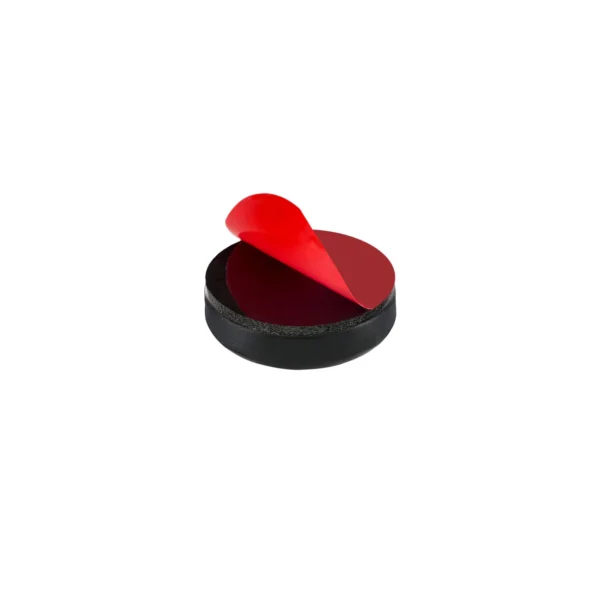
Looking for furniture glides for hardwood floors? That scrape when a dining chair pulls out is the bare leg dragging across the finish, and a glide sits between the two so it stops. These low-friction discs mount under chair and table legs to protect hardwood, engineered wood, laminate, luxury vinyl and smooth tile. Nail-on chair glides fix into solid wood with a tubular zinc rivet. Self-adhesive glides bond to metal, plastic, chrome and sealed engineered legs where a rivet has nothing to grip. Filter by mounting, shape, and surface below.
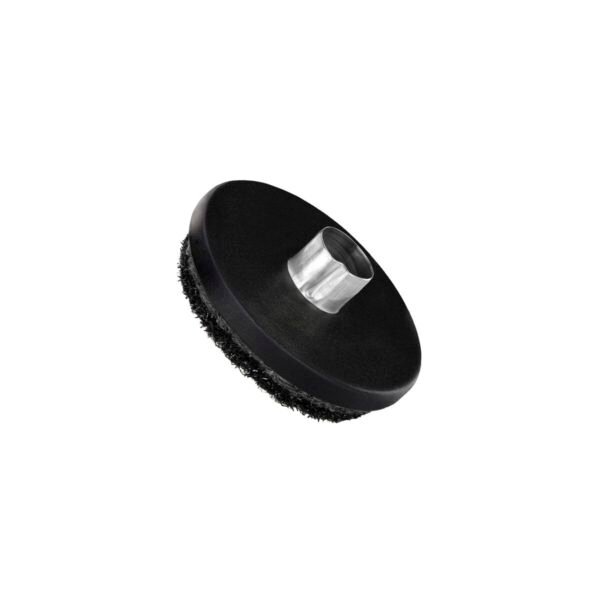
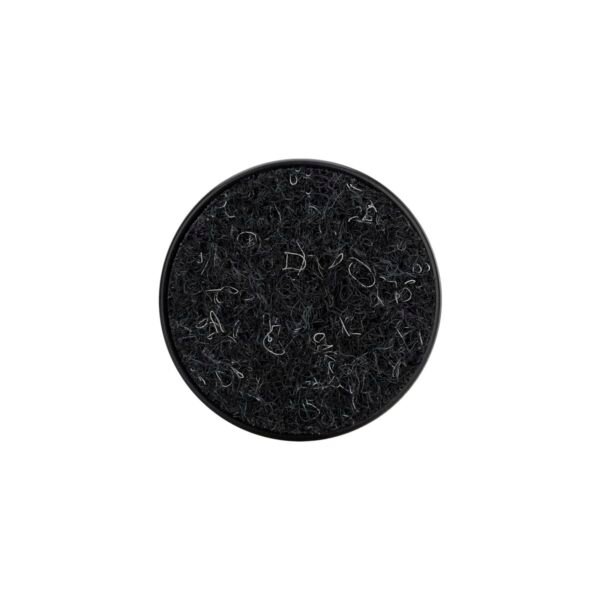
From $1.20 each
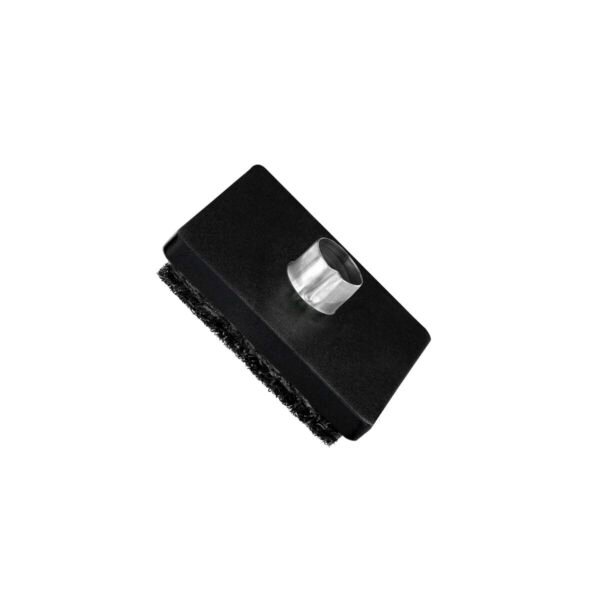
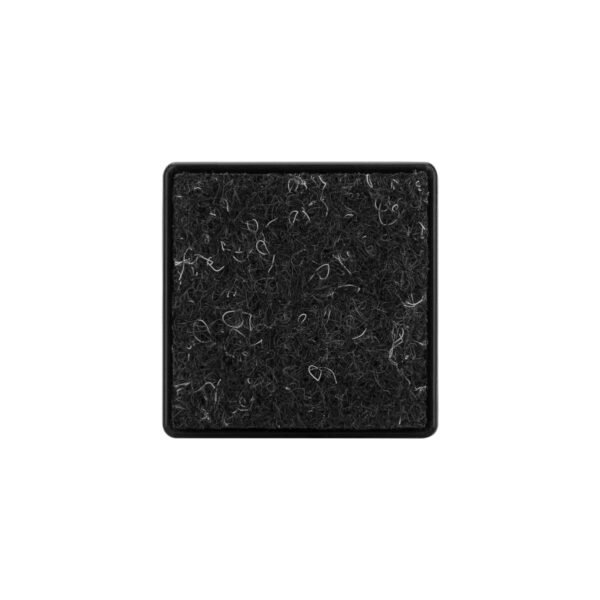

Sizing
Measure the widest point of the leg base, then read across. The same ranges apply whether your legs are round, square or rectangular.
| Your leg measures | Fit this size |
|---|---|
| 23 to 27 mm (0.91″ to 1.06″) | 23 mm (0.91″) |
| 28 to 37 mm (1.10″ to 1.46″) | 28 mm (1.10″) |
| 38 to 49 mm (1.50″ to 1.93″) | 38 mm (1.50″) |
| 50 to 74 mm (1.97″ to 2.91″) | 50 mm (1.97″) |
| 75 to 100 mm (2.95″ to 3.94″) | 75 mm (2.95″) |
Pick the size that sits flush with the leg base or very slightly inside it. Never larger.
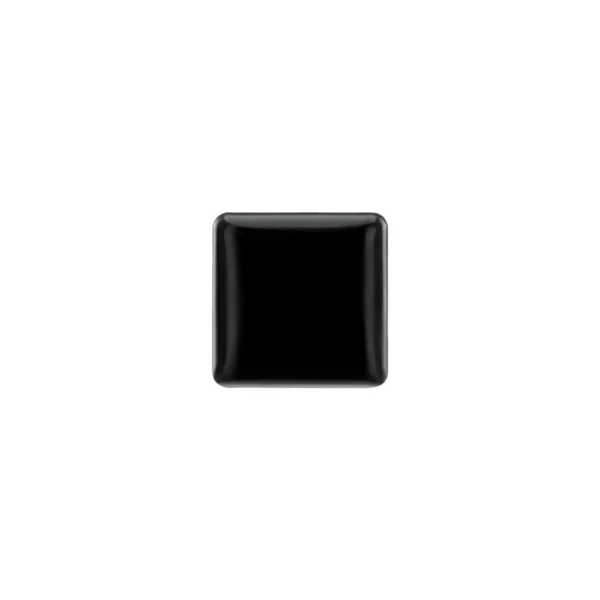
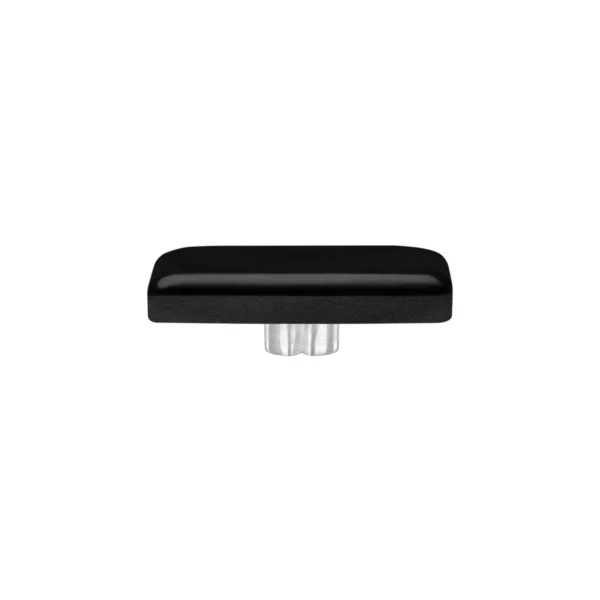
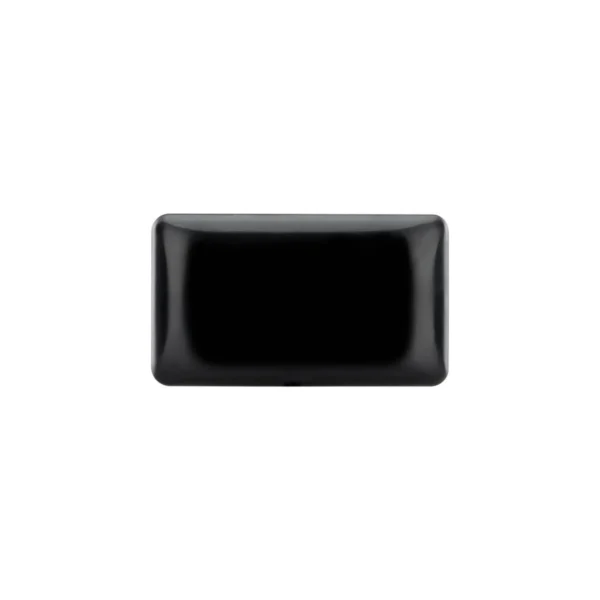
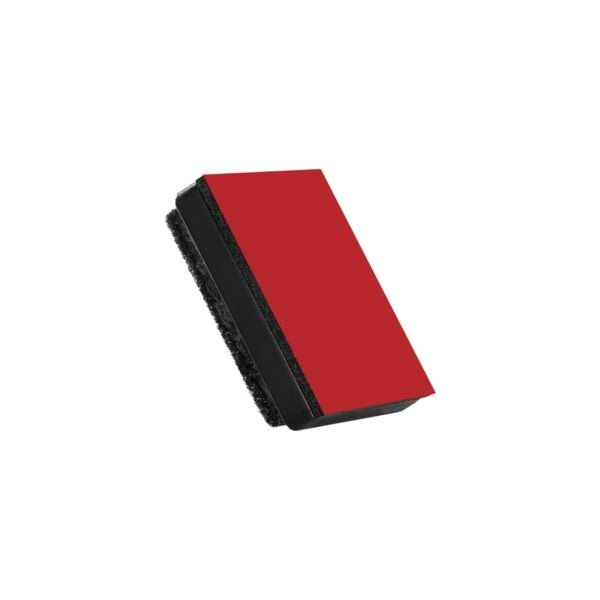
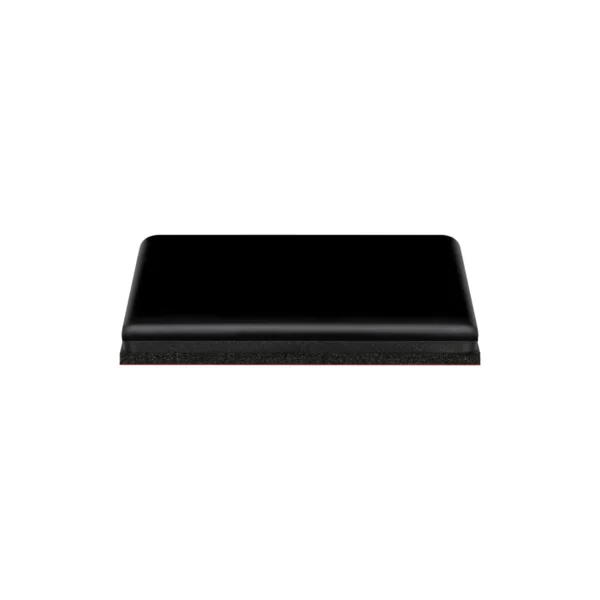
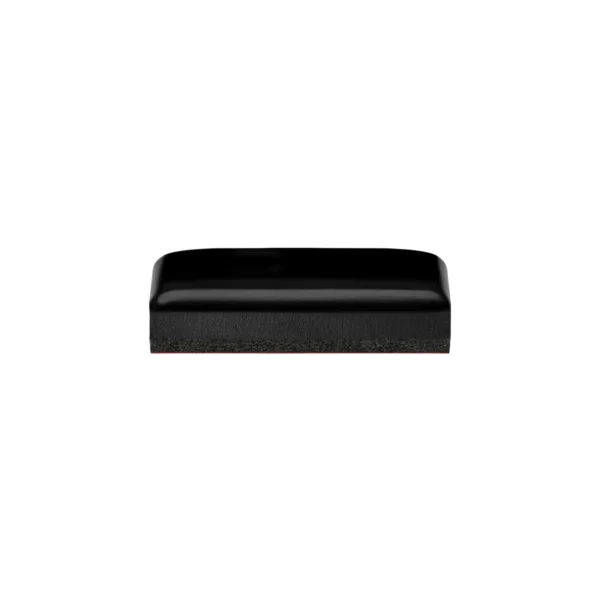
The same ranges apply to round, square and rectangular. Rectangular comes in one size, 33 × 19 mm (1.30″ × 0.75″).
Legs over 75 mm (2.95″) take a self-adhesive pad instead.
Not sure this is the right line
Three lines, three jobs. If your legs or your floor do not match what is on this page, here is where to go instead.
Solid legs on hardwood, laminate or smooth tile, and furniture that gets moved often. A rigid body fixed with a rivet or with adhesive.
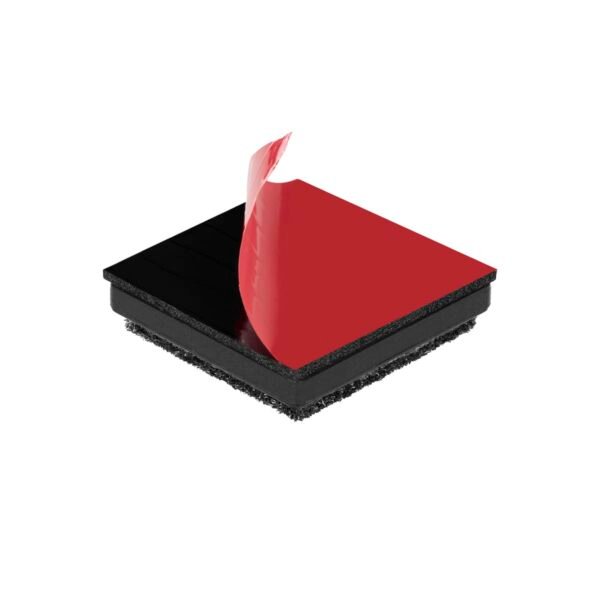
Legs too big for a glide, up to 300 × 300 mm (11.81″ × 11.81″), and furniture that stays put rather than being dragged daily. Same PA6 face, adhesive only.
Furniture that lives on carpet or crosses grout lines. Slides carry a hard ABS face built for exactly that surface.
Before you order
Sizing is in the chart above and the guide goes deeper on materials and installation. These are the things people ask once the order is already in the cart.
No pre-drilling is needed. The rivet is tubular and thin, so it parts the wood fibers rather than cutting them out, and it hammers into the same spot again if you ever replace the glide.
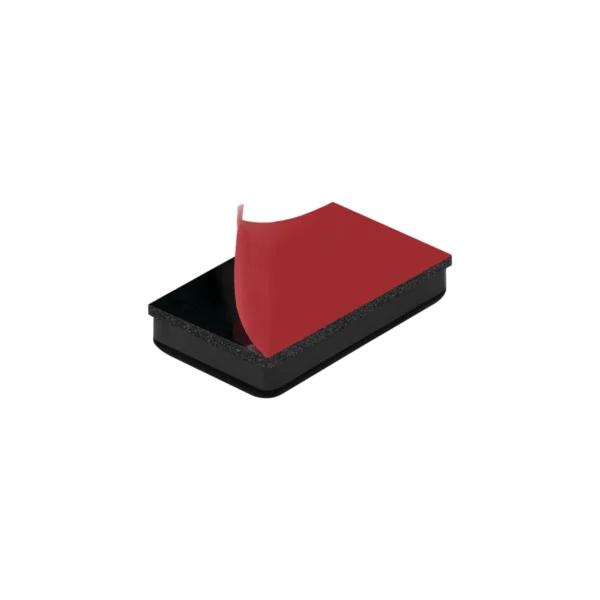
No. A rivet needs wood fibers to grip, so nail-on is solid wood only. For metal, plastic or chrome legs, fit the self-adhesive version of the same glide: identical PA6 face and ABS body, bonded with EHBF acrylic foam tape instead.
Go smaller. A glide that sits very slightly inside the leg edge is invisible in use. One that overhangs catches on rugs, thresholds and floor edges, and that is what pulls a glide off.
No. Measure each leg type and order the size that fits each. Mixing sizes across a set is normal, and better than forcing one size onto legs it overhangs.
Nail-on glides pull out and leave a small mark in the wood. Self-adhesive glides release with gentle heat from a hairdryer, then any residue wipes off with isopropyl alcohol.
Orders start at 4 and go up in 2s, so a four-leg chair takes one set and the step of 2 covers spares. Anything marked in stock ships in 1 to 3 business days. Anything made to order is produced in a run, and we confirm the lead time in writing before you commit.
In more detail
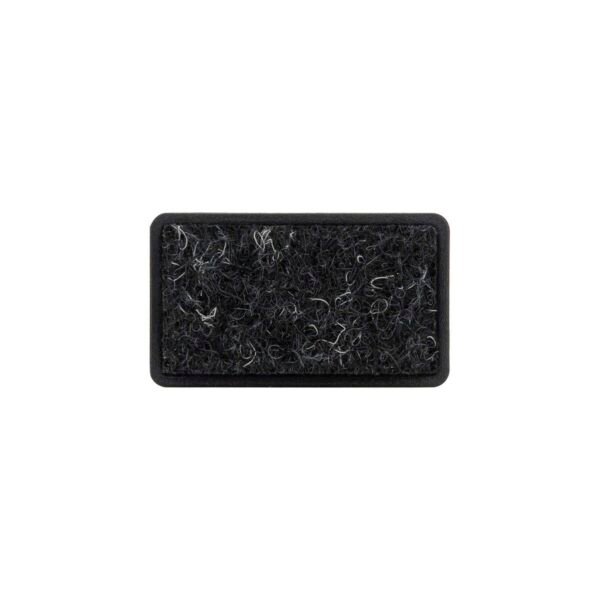
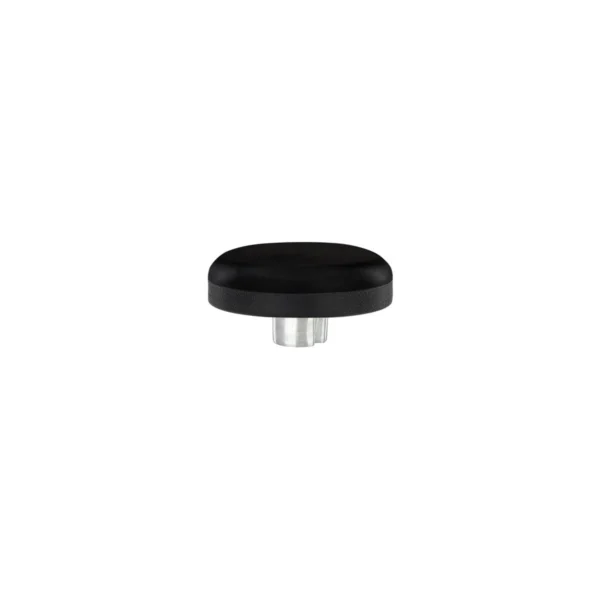
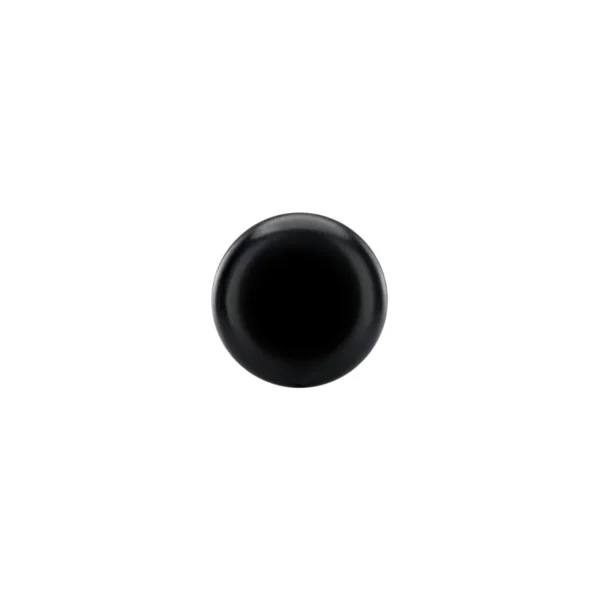
Furniture glides for hardwood floors sit between the leg and the floor so the leg never touches the surface directly. They have a PA6 face on a rigid ABS platform, and come in round, square, and rectangular shapes, in nail-on and self-adhesive mountings.
A glide is for furniture that moves. Dining chairs pull in and out several times a day, bar stools turn, side tables get nudged along. Each of those movements drags a bare leg across the floor finish. A low-friction face takes that contact instead, and the chair moves with less effort and less noise.
If the piece stays where you put it, a pad is the simpler part. If the floor is carpet, or hard but textured enough to catch, a slide handles it better.
Nail-on chair glides fix into solid wood with a tubular zinc rivet that separates the wood fibers rather than cutting them. They suit dining chairs, bar stools, and anything moved daily. Self-adhesive glides bond to a flat, clean leg base with EHBF acrylic foam tape, which is what you want on metal, plastic, chrome, or engineered wood where a rivet has nothing to grip.
Measure the widest point of the leg base, then pick the size that sits flush with it or very slightly inside. Never larger. A glide that overhangs catches on rugs, thresholds, and floor edges, and that is what pulls one off. Round legs: measure the diameter. Square and rectangular legs: measure the sides, longer one first.
Furniture glides for hardwood floors also suit engineered wood, laminate, luxury vinyl, and smooth tile. On textured tile, slate, or anything with a pronounced grout line, use furniture slides instead.
The guide to furniture glides for hardwood floors covers measuring and fitting in more detail.
Still deciding
Send a photo of the leg with a ruler beside it, or ask the advisor. Either way you get the size before you order, not after.
