Hospitality-grade floor protection · Sizing help before you order · Apply for a business account
Sizing help · Apply for a business account
Hospitality-grade floor protection · Sizing help before you order · Apply for a business account
Sizing help · Apply for a business account
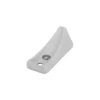
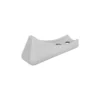
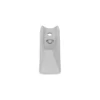
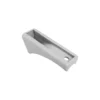
At the runner bend on Ø 20 mm sled furniture, this glide spans the curve on an extended base and fixes with a single screw. The flat PA face gives stable floor contact right where the runner turns up into the riser. Grey.
We make this size in production runs, so there is none on the shelf today. Tell us how many you would want and you go on the list for it. When enough people ask for a size, we run it, and the people who asked hear about it first.
Buying in volume? See business pricing & samples ↓
Corner sled base glides rectangular base with pad slot mount at the bend where the horizontal runner curves upward into the vertical riser on Ø 20 mm round tube sled furniture. The extended 74 mm base spans the full transition zone at the curve, providing floor contact where mid-runner glides cannot reach. This single-screw corner design provides floor protection at the most vulnerable contact point on a sled base chair. The bend concentrates the occupant’s weight on a small area, and without a corner glide, the bare metal tube scratches and dents the floor at this high-pressure point. Also referred to as corner sled base glide single screw, corner glide Ø 20, or sled runner bend glide. Single screw sled base glides fix at the corner with one fastener.
PA (polyamide) single-screw corner mount saddle glide for Ø 20 mm round tube sled runners. Corner sled base glides rectangular base with single-screw mount span the runner-to-riser bend and extended rectangular base. L = 74 mm. Grey. Sold in packs of 4, adjustable in steps of 2 at checkout.
One configuration: Ø 20 mm saddle, single screw, grey, 18.5 g. This is the corner glide for Ø 20 mm sled furniture where the bend contacts the floor and needs protection.
L = 74 mm extended base. Saddle offset for bend positioning. Single screw hole (Ø 5.7 mm). PA body. 18.5 g. For Ø 20 mm round tube sled frames with grey, silver, or light-finished frames.
For Ø 25 corner: corner rectangular base (Ø 25). For Ø 28 corner: corner pad slot (Ø 28). For Ø 20 mid-runner: rectangular base or round base pad slot. For custom colors, contact Business Solutions.
The sled base glide range includes three corner glides. The two-screw rectangular base (Ø 25) serves Ø 25 mm tubes with two screws and flat PA. This single-screw version serves Ø 20 mm tubes with one screw. The single-screw design has a slightly longer base (74 mm vs. 72 mm) and uses a single-screw mount that simplifies installation at the bend. The three corner glides are not interchangeable because they serve different tube diameters with different saddle curves.
The single screw is positioned to secure the glide at the curve apex where the saddle cradles the tube. The extended base provides leverage that prevents the glide from rotating around the single screw point, despite having only one fastener. The 18.5 g weight (vs. 15.8 g for the Ø 25 two-screw version) reflects the additional material in the longer base and thicker wall construction. Corner sled base glides rectangular that provide secure bend coverage with minimal mounting hardware on Ø 20 mm sled furniture found in schools, offices, and waiting rooms.
Mid-runner sled base glides like the rectangular base and rectangular base pad slot are designed for straight tube sections. Their flat saddles cannot cradle the curved tube at the bend. The corner glide’s saddle is shaped and positioned specifically for the curve geometry.
When an occupant leans back in a sled chair, weight shifts toward the rear of the runners, concentrating load at the rear bends. Without corner sled base glides, this concentrated load presses the bare metal tube into the floor at a small contact point. On hardwood, luxury vinyl, and polished concrete, this creates visible dents and scratches within days of regular use. The extended base distributes this concentrated load across 74 mm of floor contact area.
Single screw installation at the bend. Position the saddle at the curve apex and drive the single screw through the glide into the tube wall.
A fully protected sled chair needs both mid-runner and corner glides. For Ø 20 mm tubes, pair this corner glide with rectangular base mid-runner glides on the straight sections, or with round base pad slot glides if the floor requires PA6 pad protection.
A typical sled chair with 2 bends needs 2 corner glides plus 4 to 8 mid-runner glides. Some chairs have 4 bends (front and rear on each runner), requiring 4 corner glides. Count the floor-contact bends on your specific furniture to determine the corner glide quantity needed.
Floor protection at the runner bend on Ø 20 mm sled furniture. The National Wood Flooring Association (NWFA) recommends protective contact on all furniture contact points, and the bend is typically the most damaging contact point on a sled chair because of the concentrated weight when occupants lean back.
The 74 mm base distributes the concentrated bend load across a large PA contact area. On hardwood, luxury vinyl, and polished floors, the PA surface prevents the scratching and denting that bare metal bends cause. Corner sled base glides rectangular close the protection gap that mid-runner glides leave at the bend position.
With mid-runner glides on the straight sections and this corner glide at the bends, every floor contact point on a Ø 20 mm sled chair is covered. Unlike leaving any contact point unprotected, a complete glide system eliminates all metal-to-floor contact on the chair.
Three corner sled base glides serve different tube sizes and applications. Choose based on your tube diameter.
These glides. L = 74 mm. Grey. 18.5 g. For Ø 20 mm sled furniture.
Two screws. Flat PA. L = 72 mm. Black. 15.8 g. For Ø 25 mm sled furniture.
single-screw. 2 screws. Pad slot. L = 89 mm. Black/grey. 41.6 g. For heavy Ø 28 mm furniture.
Measure the outside diameter of the runner tube at the bend to confirm Ø 20 mm. The tube diameter is consistent through the curve because the tube is bent from a single piece, not joined. If the tube measures Ø 25 mm, use two-screw corner glides. If Ø 28 mm, use corner pad slot glides (Ø 28).
The bend radius varies by furniture manufacturer. The single-screw corner glide accommodates standard bend radii on Ø 20 mm commercial and institutional sled furniture. For unusually tight or wide bends, test-fit one glide before ordering for the full fleet to confirm the saddle sits at the curve apex and the base lies flat on the floor.
Corner sled base glides rectangular provide PA floor contact at the bend position. This PA surface is suitable for all hard floors and carpet. The bend is often the highest-priority protection point on a sled chair because of the concentrated weight at that location.
On fine hardwood or luxury vinyl where even PA contact marks are not acceptable, pair this corner glide with mid-runner pad slot glides like round base pad slot or rectangular base pad slot on the straight sections. The PA contact at the corner is still smoother and more protective than bare metal, even without a PA6 pad at the bend position.
Count the bends on each runner. Most sled chairs have 2 bends (one rear bend per runner), requiring 2 corner glides per chair. Some chair designs have 4 bends (front and rear on each runner), requiring 4 corner glides. Check the underside of your specific furniture to count the floor-contact bends before ordering.
Corner sled base glides come in packs of 4, adjustable in steps of 2 at checkout. For a fleet of 50 sled chairs with 2 bends each, order 100 corner glides plus a 10% spare stock (110 total). Order mid-runner glides separately for the straight sections. The combination of corner and mid-runner glides provides complete floor protection coverage on every sled chair in the fleet.
Corner glides wear faster than mid-runner glides on the same chair because of the physics of sled chair seating. The bend position bears more weight when occupants lean back, and the concentrated contact at the curve apex creates higher pressure per square millimeter on the PA surface than any mid-runner position experiences. On chairs that are used heavily (classrooms, cafeterias, training centers), corner glides may need replacement more frequently than the mid-runner glides on the same runners.
Signs that a corner glide needs replacement: the PA base at the saddle area has worn thin enough that the tube is close to contacting the floor through the glide, the chair wobbles or tilts at the bend when the occupant leans back, or scratch marks reappear on the floor at the bend location despite the glide being in place. Replace worn corner glides immediately. The bend is the highest-damage contact point when unprotected, so allowing a worn corner glide to remain in service while the PA thins defeats the entire purpose of the installation and risks significant floor damage in a concentrated area.
For furniture manufacturers, include corner sled base glides in the bill of materials alongside mid-runner glides. A complete Ø 20 mm sled chair specification includes: rectangular base mid-runner glides (quantity based on straight-section positions) plus this corner glide (quantity based on bends, typically 2 per chair). For chairs on scratch-sensitive floors, substitute the mid-runner glides with rectangular base pad slot versions for PA6 floor contact on the straight sections while using this corner glide at the bends. Include both types in the per-chair glide count from the initial design specification to ensure complete floor protection from day one.
For facility managers ordering replacement glides for an existing fleet, order corner and mid-runner glides in the ratio that matches your furniture. If each chair has 4 mid-runner glides and 2 corner glides, maintain that 2:1 ratio in your spare stock. Corner glides wear faster, so consider a higher spare ratio for corners (e.g., 3:1 corner-to-mid-runner in the spare inventory). For production quantities, visit Business Solutions.
| Hole Ø (Ø) | Fits Tube (Ø2) | Fits Tube (W) | Fits Tube (L) | Hole Center (L2) | Insert Depth (H) | Head Height (H1) |
|---|---|---|---|---|---|---|
| 5.7 mm (0.22″) | 20 mm (0.79″) | 25 mm (0.98″) | 74 mm (2.91″) | 9 mm (0.35″) | 30 mm (1.18″) | 6.5 mm (0.26″) |
Thread size must match the insert in your furniture leg.
| Specification | Detail |
|---|---|
| Material | Polyamide, a harder plastic that holds its shape under load |
| Sizes | 1 size |
| Hole diameter (Ø) | 5.7 mm (0.22″) |
| Tube diameter (Ø2) | 20 mm (0.79″) |
| Width (W) | 25 mm (0.98″) |
| Length (L) | 74 mm (2.91″) |
| Hole center (L2) | 9 mm (0.35″) |
| Height (H) | 30 mm (1.18″) |
| Head height (H1) | 6.5 mm (0.26″) |
| Mounting | Fits the sled frame |
| Colors | Gray |
| Floor compatibility | Smooth hard floors |
| Minimum order | Sold in a minimum of 4, then any quantity you need |
The single-screw design simplifies installation at the bend on Ø 20 mm tubes. The extended 74 mm base provides enough leverage to prevent the glide from rotating around the single screw point. One screw is sufficient for the lighter loads on Ø 20 mm sled furniture. The Ø 25 and Ø 28 corner glides use two screws because they serve heavier furniture.
This corner glide is manufactured in grey only. Grey blends with most sled frame finishes at the bend position where the glide is minimally visible. For custom colors, contact Business Solutions.
Yes. Use rectangular base mid-runner glides on the straight sections and this corner glide at the bends. Both fit Ø 20 mm tubes. The corner glide covers the transition zone that mid-runner glides cannot reach.
Yes. The Ø 25 corner is 72 mm. This single-screw corner is 74 mm. The slightly longer base provides more coverage across the bend on Ø 20 mm frames.
Three corner glides serve different tube sizes. The Ø 25 two-screw version has a 72 mm base with flat PA. This Ø 20 single-screw version has a 74 mm base with flat PA. The Ø 28 pad slot version has an 89 mm base with PA6 pad. Choose based on your tube diameter.
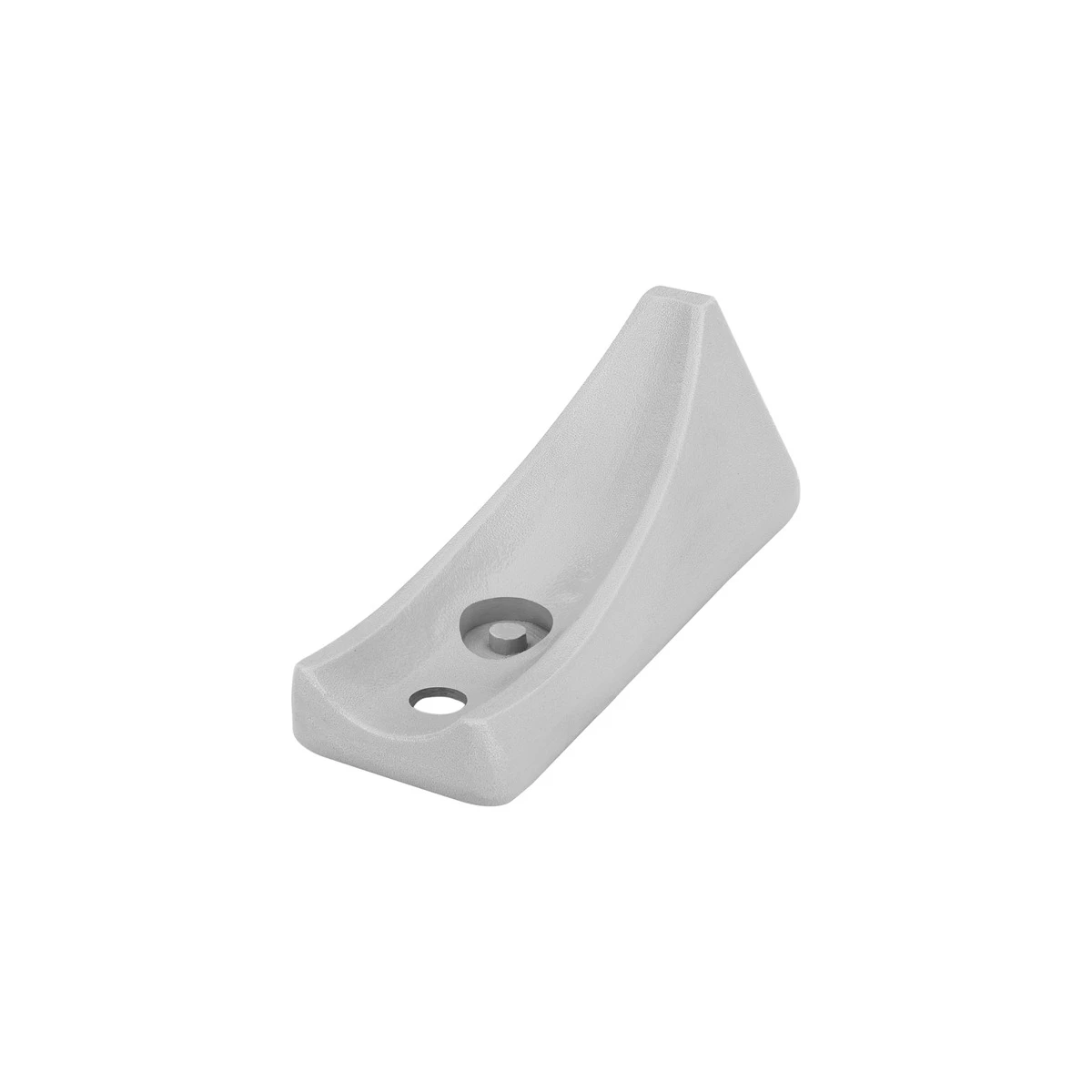 Round Tube Corner Sled Base Glides — Rectangular Base (Single Screw)
Outfitting a hotel, restaurant, school, healthcare facility, or large furniture build? Superior Glide supports volume orders with bulk pricing tiers, free physical samples, and dedicated quote pricing for accounts placing larger orders.
Bulk pricing tiers, net terms for qualified buyers, and dedicated support for facility managers and procurement teams.
Hold the product, test the fit, check the finish. We ship samples free so you can evaluate before committing to a full order.
For orders above standard volume tiers, we’ll prepare a custom quote with consolidated shipping and your account’s tier pricing.

Reviews
There are no reviews yet