Hospitality-grade floor protection · Ships in 1–3 business days · 90-day limited warranty
Hospitality-grade floor protection · Ships in 1–3 business days · 90-day limited warranty
You shove the sofa aside to vacuum and the legs snag the carpet, then leave a track. This furniture slides guide ends that. Slides are the discs that go under furniture legs so they push easily across carpet, rugs, and rough hard floors.
Specified by hotels, restaurants, and universities · Sized to fit standard chair and table legs from Ø 23 mm to Ø 75 mm
Every furniture slide is one floor type and one mounting method. Answer both and you’ve narrowed the catalog to exactly what fits.
1 Floor type
If carpet, carpet tile, or area rugs
The hard ABS base moves over carpet pile so furniture pushes easily and the legs don’t sink or snag.
If rough or textured hard floors
Slate, stamped concrete, textured tile, and wide grout lines. The ABS base rides over the texture instead of catching on it.
2 Mounting method
If solid wood legs
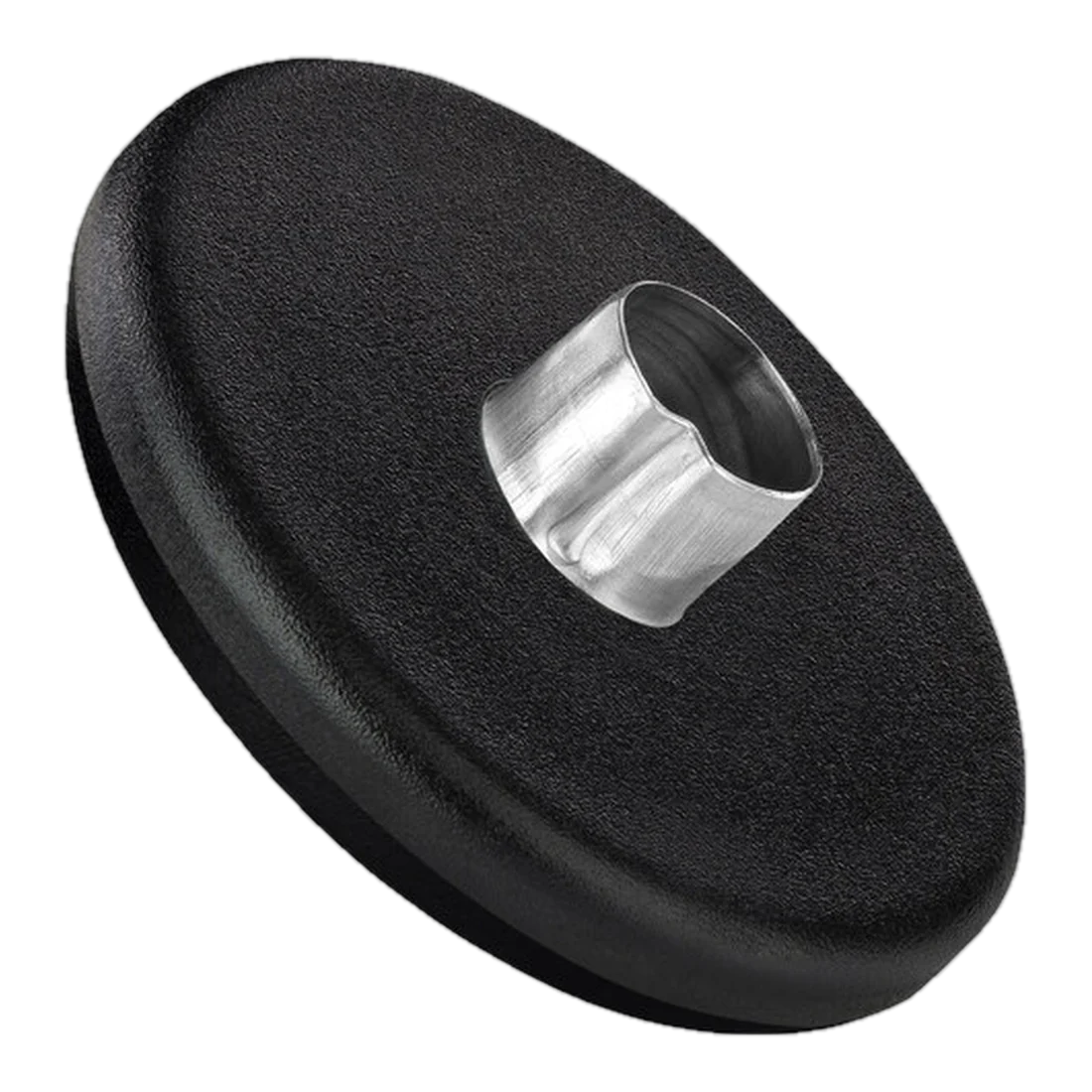
Strongest mechanical hold. A zinc-plated steel tubular rivet drives into the wood and the anti-rotation notch stops it spinning.
If metal, plastic, or no rivet holes
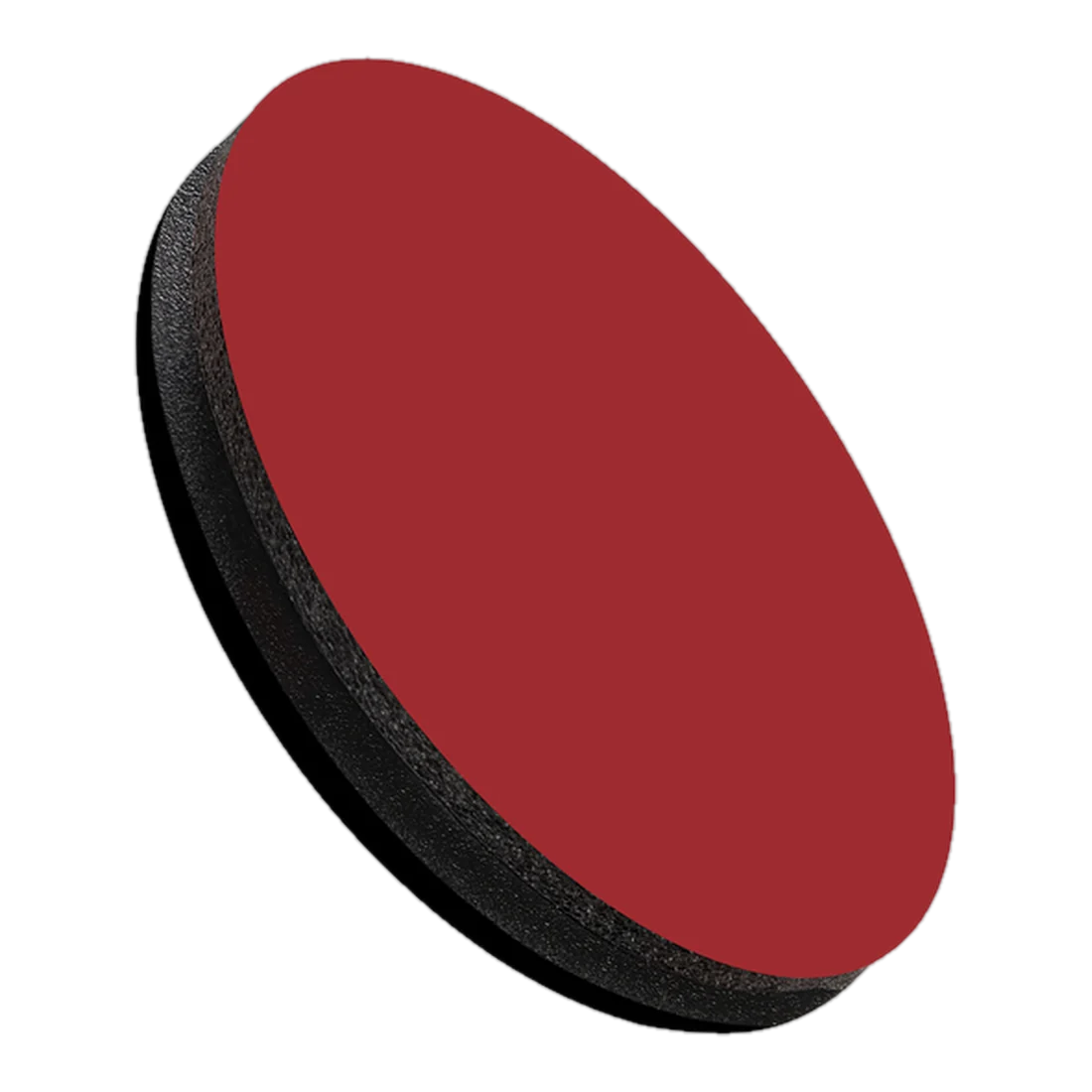
For chrome, powder-coated steel, aluminum, plastic, and finished wood. EHBF acrylic foam tape bonds without tools or holes.
Got both answers? You know exactly what to buy. Next, confirm the slide suits your floor type, then measure your legs for the right size. Or skip ahead and browse the full lineup.
Slides are built for two situations: carpet, carpet tile, and area rugs, AND rough hard floors like slate, stamped concrete, textured tile, or brick. The hard ABS base rides smoothly over carpet fibers and abrasive surfaces that would tear up a soft PA6 fiber glide. Get this part right, because the wrong surface can damage your floor. For broader floor-care guidance, the National Wood Flooring Association publishes maintenance standards for hardwood.
*Sled bases included: our furniture slides also work for sled-base chair frames moving across carpet. The hard ABS face lets the rail slide instead of dragging.
For smooth, hard floors: use Furniture Glides instead. The soft PA6 fiber on glides moves silently across hardwood, tile, vinyl, and laminate without scratching. Hard ABS on smooth floors can mark or scuff polished finishes.
If your legs are solid wood and the piece gets dragged across carpet or a rough floor all day, this is the hold you want. The rivet grips the wood mechanically, so it shrugs off the constant side-to-side stress of moving furniture, with no adhesive to cure and nothing to peel. You tap it in and it is done.
This is what hotels and restaurants put on their high-traffic wood seating, and it works just as well on the dining chairs at home.
Use nail-on slides when
✓ Furniture legs are solid wood and you own the furniture
✓ The piece moves frequently under load (dining chairs, bar stools, commercial seating)
✓ You want the strongest mechanical hold available
✓ You don’t mind a small rivet hole in the leg base
Nail-on specifications
Available shapes: Round, square, rectangular
Available surfaces: Hard ABS (one option, slides do not come in anti-slip)
Sizes: Round Ø 23 – 50 mm · Square 23 × 23 – 50 × 50 mm · Rectangular 33 × 19 mm
Mounting: Zinc-plated steel tubular rivet, anti-rotation notch molded in
Installation: Tap with a rubber mallet until flush. No tools beyond the mallet.
Ø 23 to Ø 50 mm. Hard ABS gliding face.
23 × 23 to 50 × 50 mm. Corner-to-corner coverage.
33 × 19 mm. For rectangular legs and benches.
Confirm nail-on vs self-adhesive availability for each size on its product page. For an exact match, print the true-to-scale size guide (PDF) in the How to Measure section below and set your leg directly on it.
No drill, no holes, nothing to explain to your landlord. These press straight onto any clean, smooth leg base and hold. The one step people skip is the one that matters: wipe the leg with isopropyl alcohol first, so the tape grabs.
The EHBF acrylic foam tape is the same automotive-grade adhesive that holds exterior trim on cars, so it shrugs off the temperature swings and humidity that make cheap hotmelt pads let go.
Use self-adhesive slides when
✓ Furniture legs are metal, plastic, or hollow tube
✓ Wood legs but you don’t want rivet holes (rentals, antiques)
✓ You want zero-tool installation in under a minute per leg
✓ You can clean the leg base with isopropyl alcohol before applying
Self-adhesive specifications
Available shapes: Round, square, rectangular
Available surfaces: Hard ABS (one option, slides do not come in anti-slip)
Sizes: Round Ø 23 – 50 mm · Square 23 × 23 – 50 × 50 mm · Rectangular 33 × 19 mm
Adhesive: EHBF acrylic foam tape, automotive-grade
Installation: Clean the leg base with isopropyl alcohol, peel the backing, press firmly for 30 seconds, wait 48 hours before heavy use.
Ø 23 to Ø 50 mm. Hard ABS gliding face.
23 × 23 to 50 × 50 mm. Corner-to-corner coverage.
33 × 19 mm. For rectangular legs and benches.
Confirm nail-on vs self-adhesive availability for each size on its product page. For an exact match, print the true-to-scale size guide (PDF) in the How to Measure section below and set your leg directly on it.
Once you know which slide you want, measure the leg base for the right size. Sizes are in millimeters with imperial conversions. The right size sits just inside the edge of the leg, fully hidden when viewed from the side.
Lay the furniture on its side or upside down. The flat face at the very bottom of the leg is where the slide will sit. That’s the surface you measure.
Use a ruler, tape measure, or calipers. Round legs: measure the diameter across the widest point. Square legs: measure one side. Rectangular legs: measure both width and length.
Many modern and mid-century legs taper, meaning the bottom is narrower than the top. Always measure at the bottom, not the top. The slide must fit the actual base it’s attaching to.
If your measurement falls between two sizes, choose the smaller one so the slide sits flush or just under the leg edge. A slide that overhangs the leg edge catches on things and lifts at the corner. A slightly tucked-under slide stays hidden and bonded.
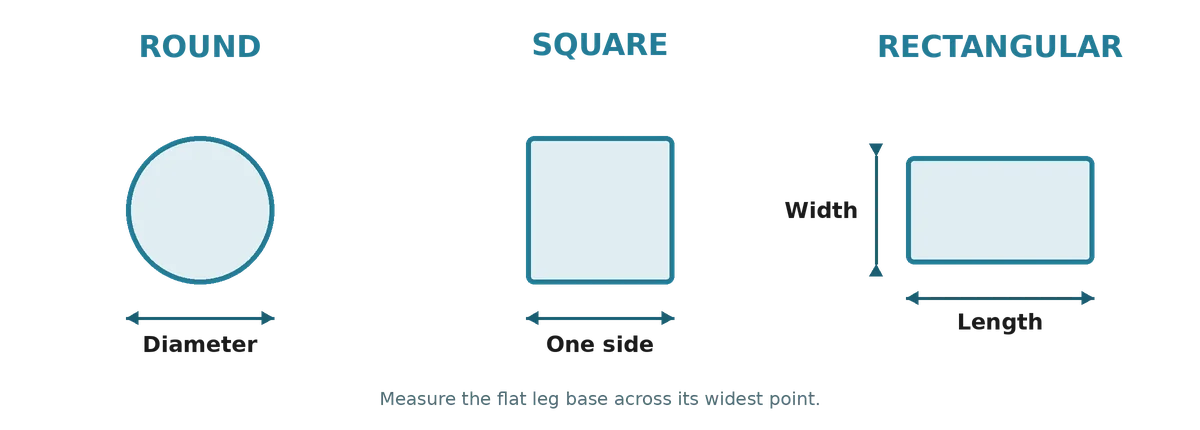
Sizing tip: a slide that sits flush with the leg base or slightly smaller stays hidden under the leg edge. A slide that’s larger overhangs and catches on things. Always go smaller at the boundary.
Prefer to measure against the real thing?
Print our size guide at 100% and hold your leg against the true-scale shapes. Works for glides and slides, nail-on or self-adhesive.
Both methods are quick. Whether you are fitting four dining chairs or four hundred restaurant chairs, and whether you go nail-on or self-adhesive, most people finish all four legs in under five minutes. Here is each method, step by step.
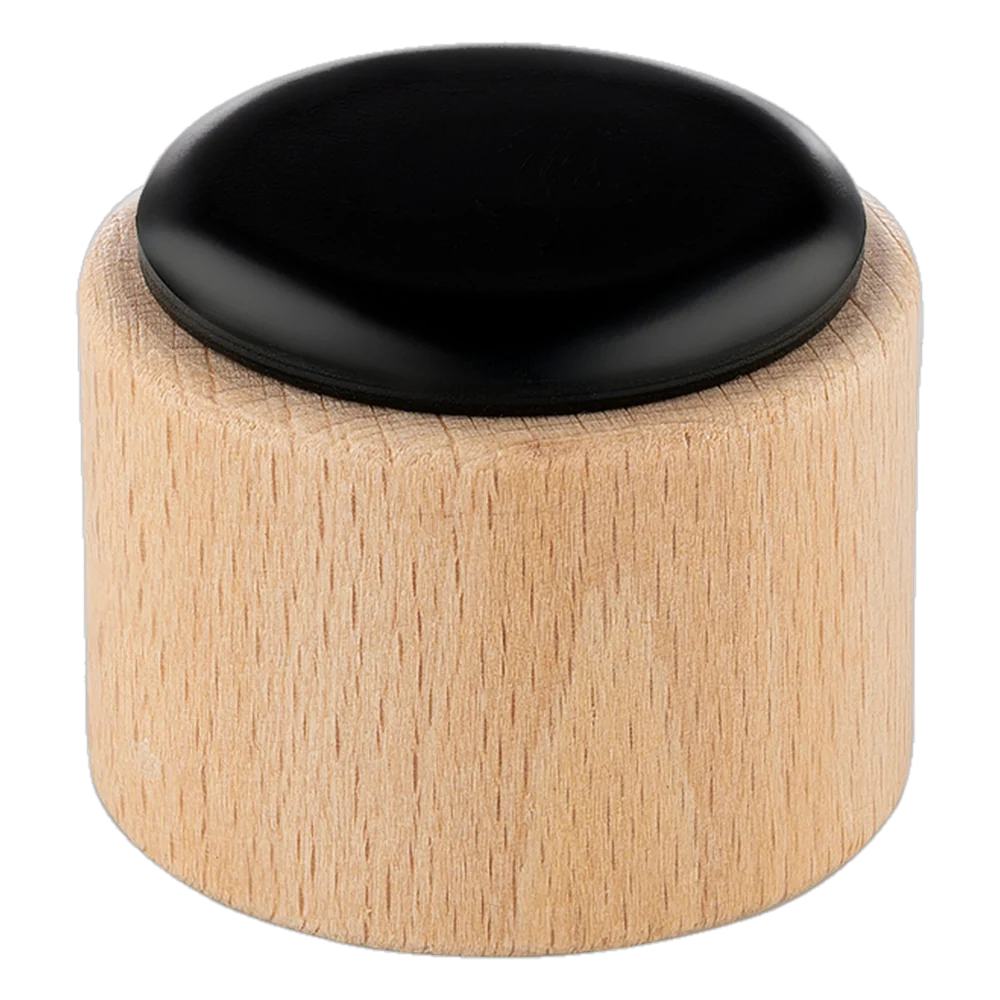
Center the furniture slide on the bottom of the leg. The anti-rotation notch on the rivet keys into the wood grain, which stops the slide spinning later. For square and rectangular slides, align the edges with the leg edges.
Tap with a rubber mallet until the furniture slide sits flush against the wood. No pre-drilling needed. The rivet separates the wood fibers rather than cutting them, so the hole stays tight even after repeated replacements over the years.
Try to rotate the furniture slide with your fingers. If it spins, the anti-rotation notch hasn’t fully seated into the wood grain. Give it another firm tap until it locks in place.
Set the furniture back down and push it across the floor. You should feel smooth, quiet movement with no catching or dragging. If it moves smoothly and quietly, you’re done.

Larger sizes
Ø 50 and 50 × 50 mm slides add an EHBF acrylic-foam self-adhesive backing around the rivet, so they hold with the rivet and the adhesive together. Wipe the leg base with isopropyl alcohol before driving them in, so the adhesive bonds too.
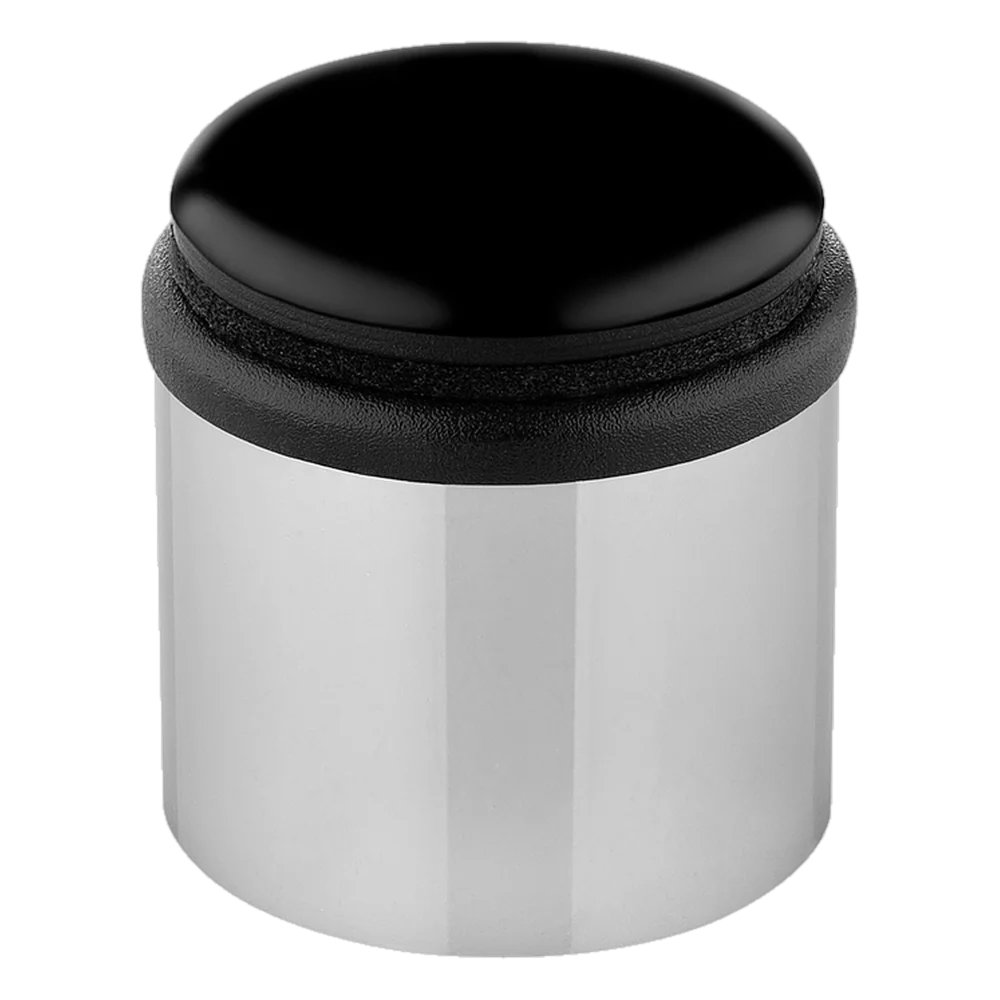
Wipe the bottom of every furniture leg with isopropyl alcohol (70% or higher). This single step is the difference between a furniture slide that holds up and one that falls off within a week. Dust, oil, and finish residue all weaken the adhesive bond.
Peel the protective backing film off the furniture slide. Discard it immediately if the exposed EHBF adhesive touches anything other than the clean leg surface, contamination weakens the bond.
Center the furniture slide on the leg base and press firmly for a full 30 seconds. You want full contact with no air pockets and no gaps at the corners. Align square and rectangular slide edges with the leg edges.
Set the furniture back down gently. The weight of the furniture actually helps the EHBF adhesive cure. Wait 48 hours before heavy use or dragging. Moving furniture before the adhesive fully bonds is the number one reason self-adhesive slides come loose early.
Slides versus glides comes down to one thing: the floor contact surface. Both protect your floor and make furniture easy to move, but carpet and smooth hard floors need opposite materials. Pick the wrong one and you either damage the floor or wear the product out fast. Thirty seconds here saves a return.
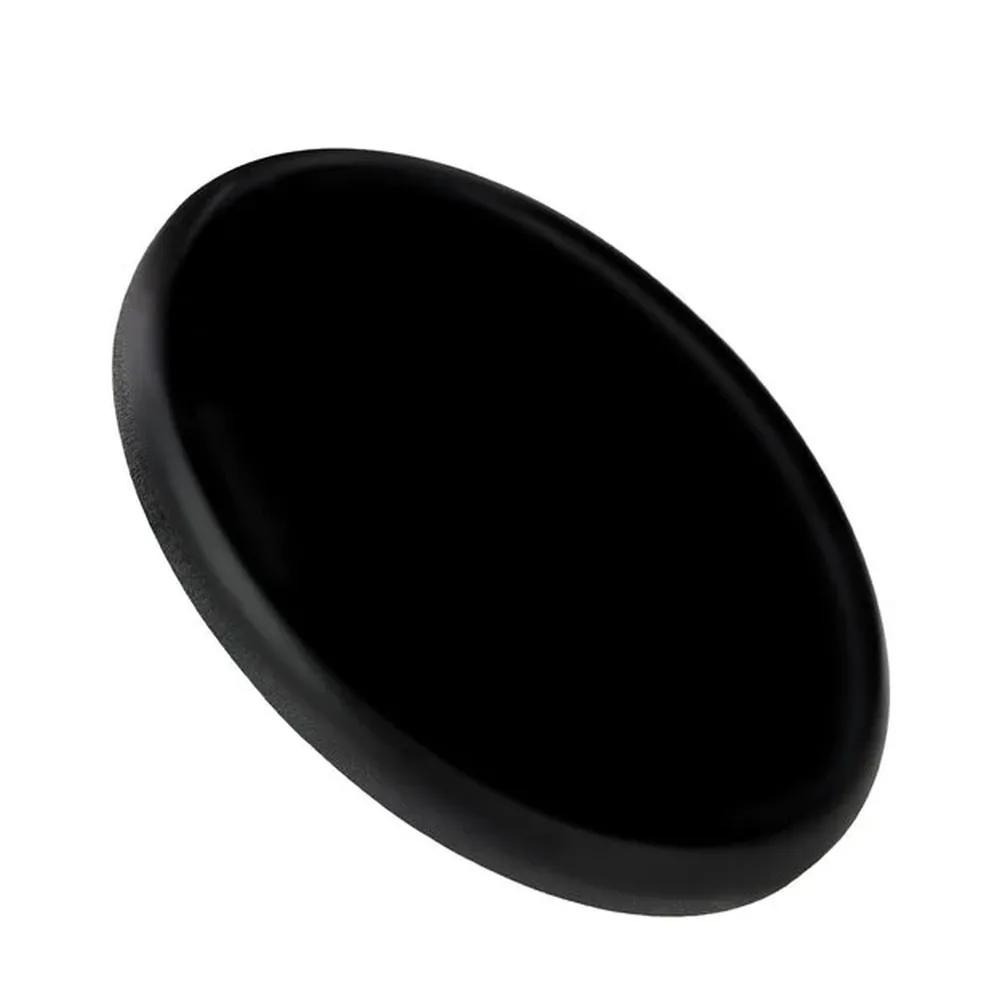
Floor contact surface: Hard ABS (Acrylonitrile Butadiene Styrene). Smooth, low-friction, impact-resistant.
For: Carpet, carpet tile, area rugs, AND rough hard floors (slate, stamped concrete, textured tile, brick).
How it works: The hard ABS base moves over carpet fibers without snagging or pulling. Also handles abrasive textures that wear through soft PA6 fiber.
Available in: Round (4 sizes), square (4 sizes), rectangular (1 size). Nail-on or self-adhesive mounting.
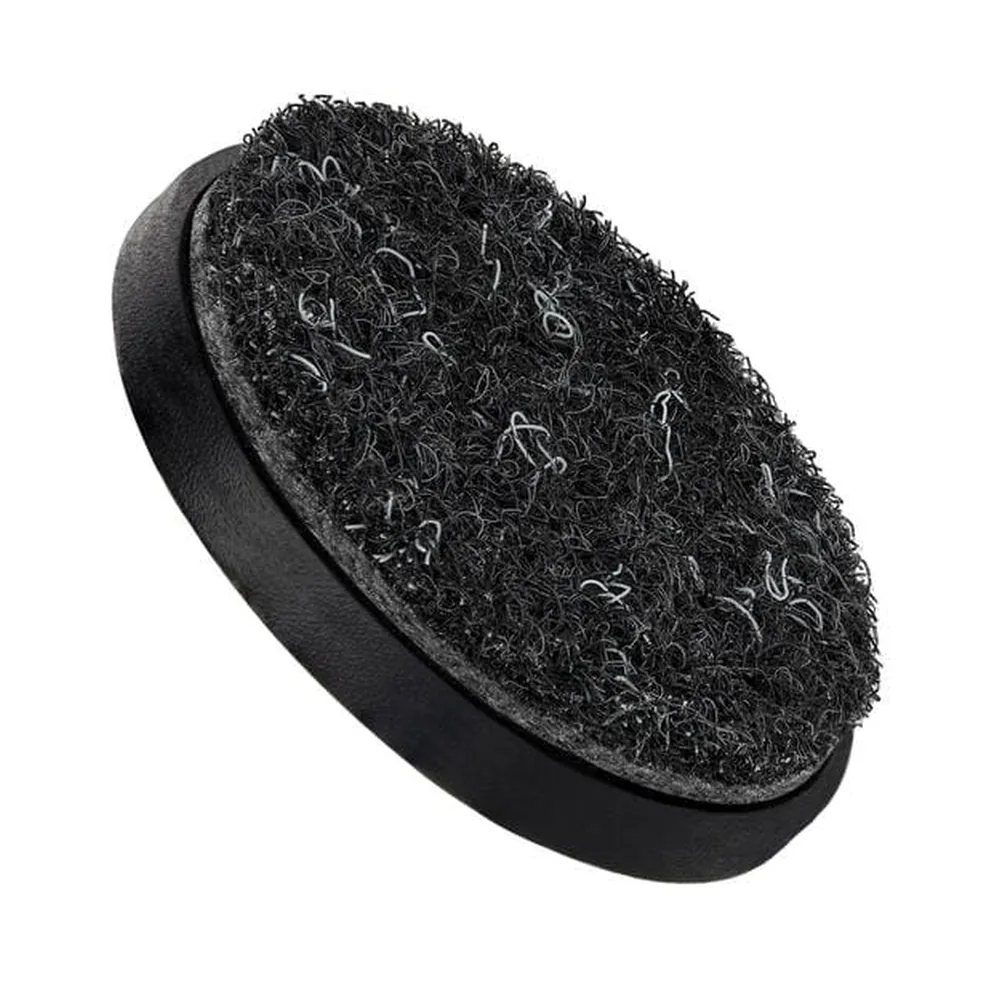
Floor contact surface: Soft PA6 needle-punched polyamide fiber (Smooth Glide) or NR+CR rubber (Anti-Slip).
For: Smooth, hard floors only, hardwood, polished tile, vinyl, laminate, sealed stone.
How it works: The soft PA6 fiber surface moves silently across smooth, hard floors without scratching. NWFA-approved for hardwood contact.
Available in: Round (5 sizes up to 75 mm), square (5 sizes up to 75 mm), rectangular (1 size). Nail-on or self-adhesive mounting. Two surface variants (Smooth Glide for movement, Anti-Slip for fixed seating).
Every slide is built as one piece, with each part doing a specific job. Here is what is inside and why it matters.
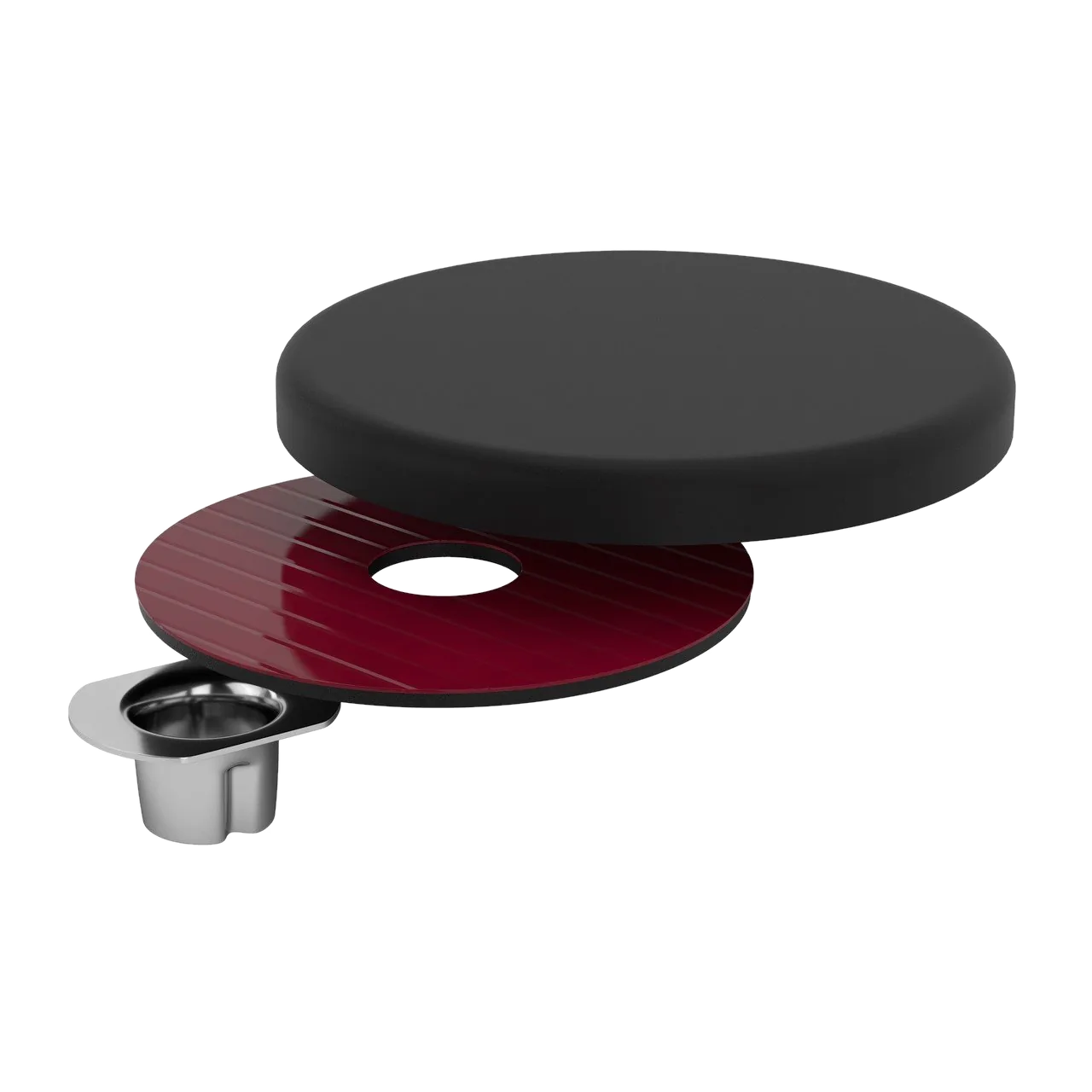
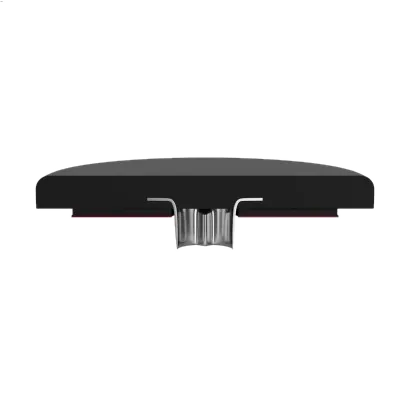
The hard ABS face does the sliding over carpet and rough floors. The zinc-plated steel rivet anchors it into solid wood, and the anti-rotation notch keeps it from spinning. No pre-drilling required.
Automotive-grade ABS (Acrylonitrile Butadiene Styrene), the same rigid material used in car dashboards. Its hard, low-friction face slides over carpet, carpet tile, area rugs, and rough hard floors like grout lines, slate, and textured tile.
An engineered acrylic foam layer bonded inside the slide. It distributes load across the ABS plate and dampens vibration, so movement stays smooth and quiet.
Zinc-iron plated steel tubular rivet with a sharp edge that separates wood fibers without pre-drilling. The head is molded directly into the ABS plate, so the rivet and plate seat together as one piece.
A notch molded into the back of the plate that seats against the leg. It keeps the slide from spinning in place, so the face stays oriented the way you set it.
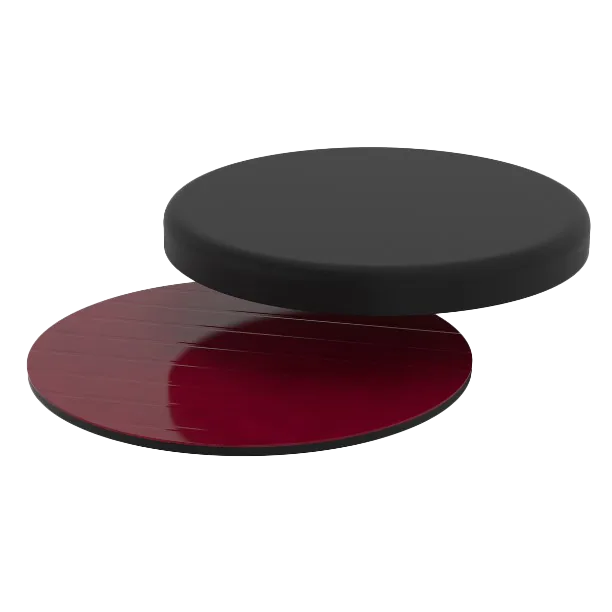
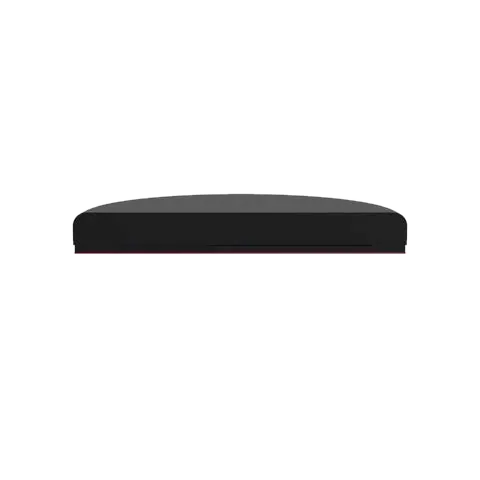
The same hard ABS face as the nail-on version, mounted with EHBF acrylic foam tape instead of a rivet. It peels and sticks onto metal, plastic, or any clean, smooth leg, and reaches full bond strength after 48 hours.
The same hard ABS face used on the nail-on slides. It glides over carpet and rough hard floors, with no fiber pad to flatten or wear down.
Engineered acrylic foam tape that bonds to any clean, smooth leg: chrome, powder-coated steel, anodized aluminum, finished wood, and most rigid plastics. Clean the leg with isopropyl alcohol, peel, then press firmly for 30 seconds. It reaches full bond strength after 48 hours.
These are the questions that come up most about furniture slides. If you don’t see your question, our specialists can help. Reach out via Contact & Support, or browse the rest of the furniture slides guide for more detail.
Furniture slides are small discs that attach to the bottom of furniture legs to let chairs, tables, and other furniture move smoothly across carpet, area rugs, and rough hard floors. The hard ABS surface moves over carpet fibers without snagging or pulling, and over rough surfaces like slate or textured tile without wearing down. Available in nail-on (for solid wood legs) and self-adhesive (for metal, plastic, or any clean surface).
No. The smooth, hard ABS base distributes the leg weight evenly and moves over carpet fibers without snagging, pulling, or tearing. Direct contact between a wood or metal leg and carpet does all those things. Slides prevent it.
No. Hard ABS on hardwood can scratch the finish and produce more noise than soft PA6 fiber. For smooth, hard floors (hardwood, polished tile, luxury vinyl, laminate), use Furniture Glides with the soft PA6 surface instead.
The slide should be slightly smaller than your leg base so it stays hidden underneath the leg edge. Measure the leg diameter (round) or width × depth (square/rectangular) and choose the next size DOWN if you’re between sizes. For example, a 26 mm round leg gets a 23 mm slide, not a 28 mm. Going larger creates an overhang that catches on carpet transitions.
Nail-on for solid wood legs. Self-adhesive for everything else (metal, plastic, hollow tube, anodized aluminum, painted wood). Nail-on gives the strongest mechanical hold, but it puts a small rivet hole in the leg. Self-adhesive needs a clean surface (wipe with isopropyl alcohol first) and 48 hours cure time before heavy use.
No. Slides are designed to MOVE furniture across carpet. The whole point is smooth, easy motion. If you need furniture to STAY PUT on carpet, you don’t need slides. If you need furniture to stay put on hard floors, see the Anti-Slip glides in our hard-floor lineup.
ABS is impact-resistant and dimensionally stable. Replacement intervals depend on your traffic, floor type, and furniture weight. Commercial customers (hotels, restaurants) typically replace slides on a similar cycle to other high-wear consumables like felt pads. For residential use, slides hold up considerably longer than the basic felt pads most people start with, since ABS doesn’t peel or compress like felt does.
Yes. The slide makes contact with the rug fiber, not the hardwood underneath. The ABS surface moves over the pile without snagging or pulling. Just make sure the rug itself has a non-slip backing so the rug doesn’t slide along with the chair.
Yes, this is a key use case. Slate, stamped concrete, textured ceramic tile, brick, travertine, terrazzo with exposed aggregate. The hard ABS surface handles abrasive textures that wear through PA6 fiber glides quickly. If your hard floor has any visible texture or grout lines wider than a credit-card thickness, slides are the right choice.
Yes. The rectangular slides (33 × 19 mm) are designed to match the leg profile of sled-base frames, so the slide follows the rail without hanging off the side. For older sled bases with non-standard rail widths, measure the contact face first and choose round if rectangular won’t fit.
Yes, and it’s the easiest moment to do it. Flip the chair over before any wear starts. For nail-on slides: position, tap with a rubber mallet, done. For self-adhesive: clean the leg base with isopropyl alcohol, peel, press 30 seconds, wait 48 hours before sitting on it.
Browse the full slide lineup by type. Nail-on slides hammer into wooden legs; self-adhesive slides peel and stick to any flat base. Both let furniture push easily across carpet, rugs, and rough hard floors. Every size lives on its product page.
Hammered into wooden leg bases. The hard ABS surface slides easily across carpet, rugs, and rough hard floors.
Peel and stick to a flat leg base, no tools. The hard ABS surface slides easily across carpet, rugs, and rough hard floors.
Now shop the catalog with all the knowledge you need.
Browse other furniture guides: Glides Guide · Pads Guide · Tube Plugs Guide · Leveling Feet Guide · Sled Base Guide
Product categories: Furniture Glides · Furniture Slides · Furniture Pads · Tube Plugs & End Caps · Leveling Feet · Sled Base Glides
Business accounts: Business Solutions for volume pricing, B2B accounts, and commercial orders.
