Furniture Pads Guide: Standard, Heavy-Duty, and Foam Pads for Hard Floors

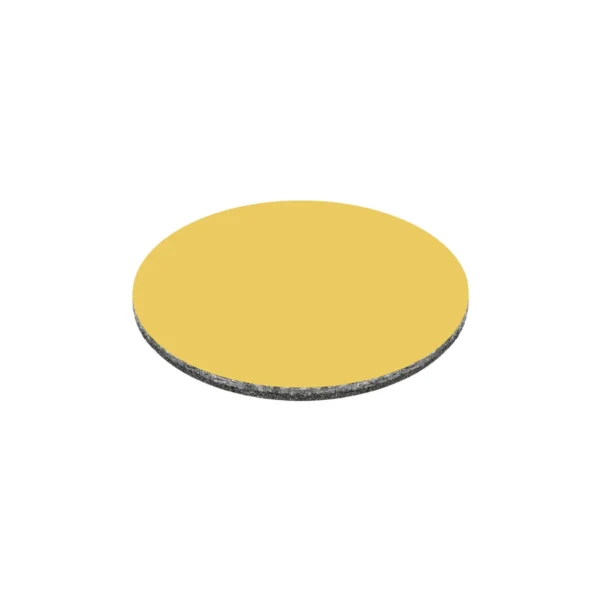
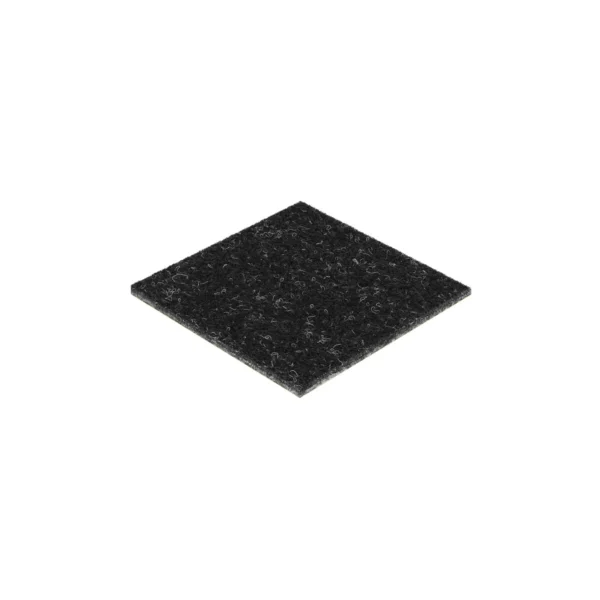
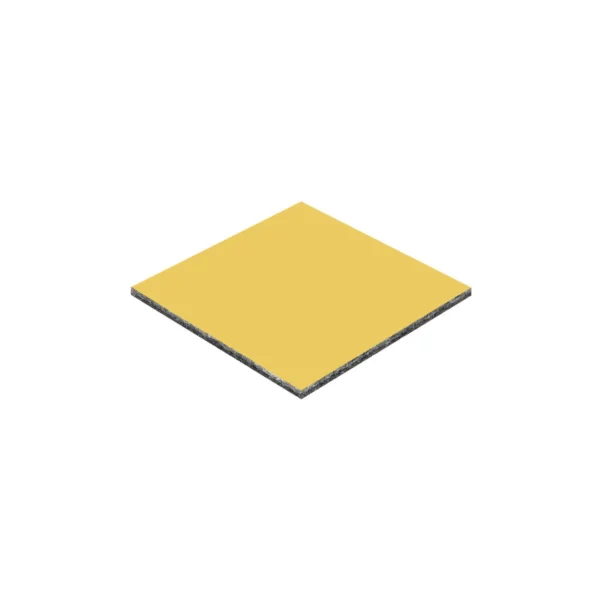
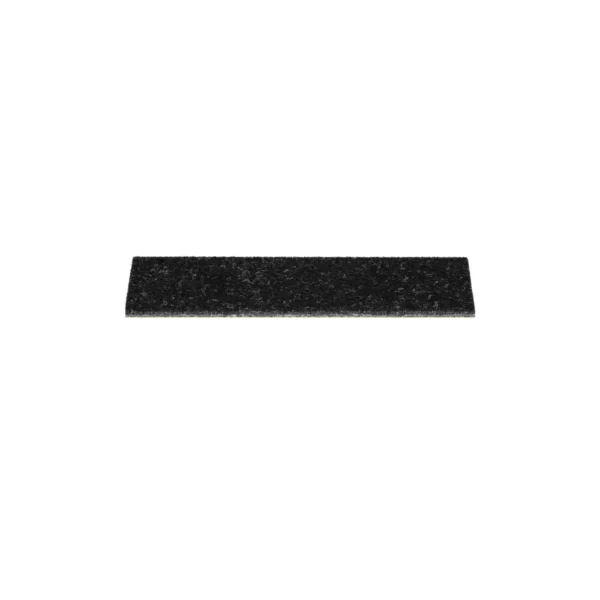
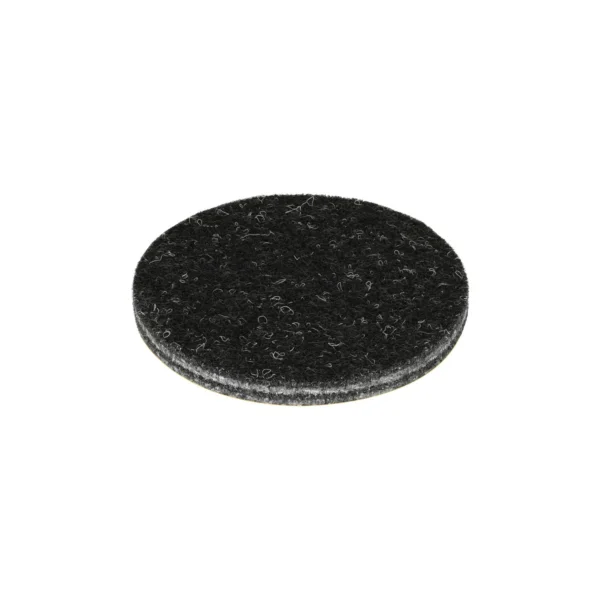
Furniture pads are the self-adhesive PA6 fiber discs that sit between your furniture legs and your floor. They stop dents, scratches, and traffic marks on hardwood, tile, and vinyl — on furniture that mostly stays put. This furniture pads guide covers all three tiers: Standard pads for everyday furniture, Heavy-Duty pads for pianos and pool tables, and Foam pads for uneven leg bases, uneven floors, and lightweight decorative objects. Round, square, and rectangular shapes from Ø 12 mm all the way up to 300 mm — the widest size range available.

NWFA-aligned floor protection·Widest size range available: Ø 12 to 300 mm

Not sure if you need pads? Furniture pads are the right choice if your furniture stays in place and you need to stop dents, scratches, or traffic marks from forming. They work on every smooth, hard floor — hardwood, tile, vinyl, laminate. If your furniture moves frequently (dining chairs, desk chairs), you want Furniture Glides instead, which have a rigid ABS platform. For carpet or rough hard floors, see Furniture Slides. This furniture pads guide also covers commercial use. Outfitting a hotel, restaurant, or commercial space? See our Business Solutions page. This furniture pads guide covers everything else.

Standard Furniture Pads: The Everyday Workhorse

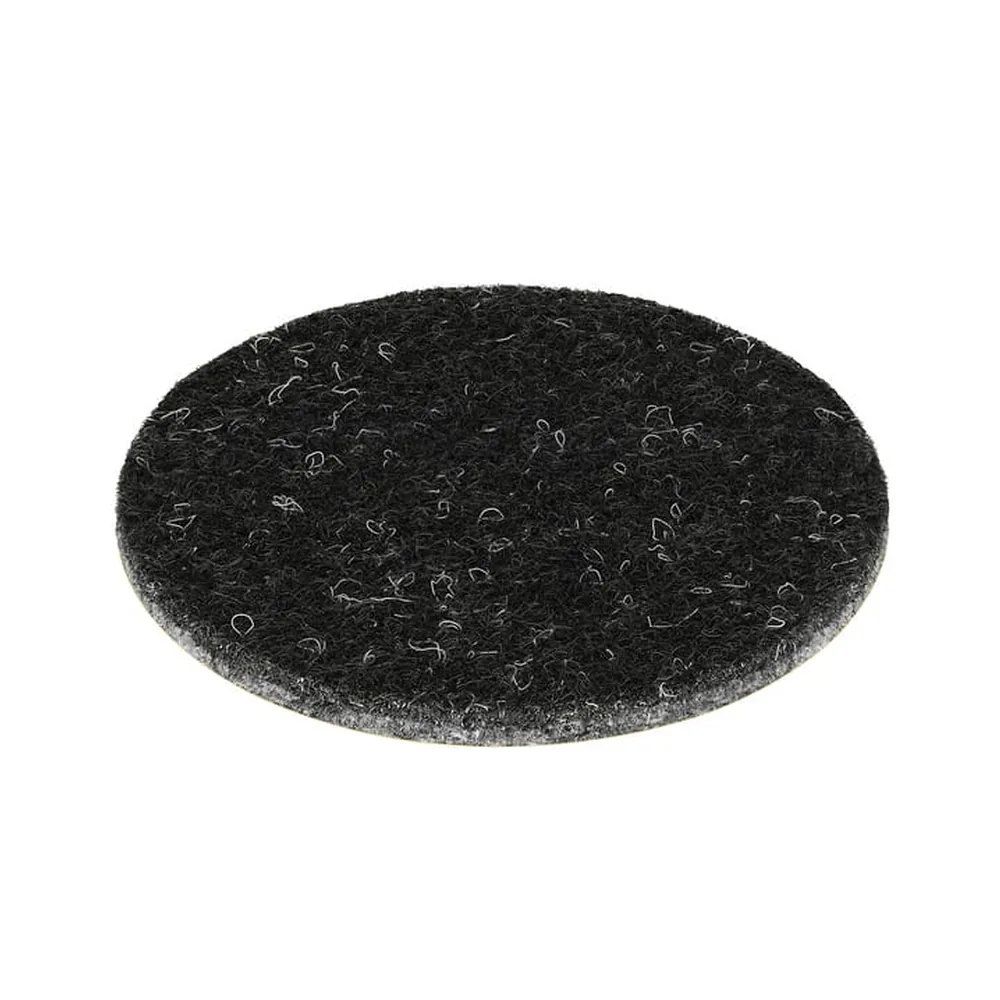
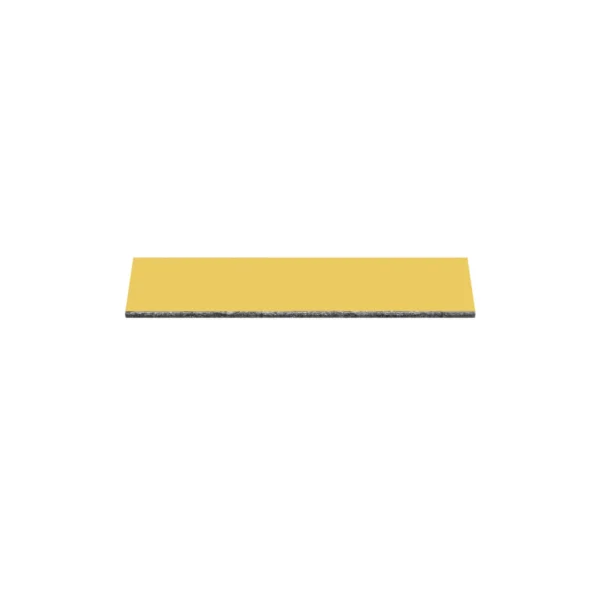
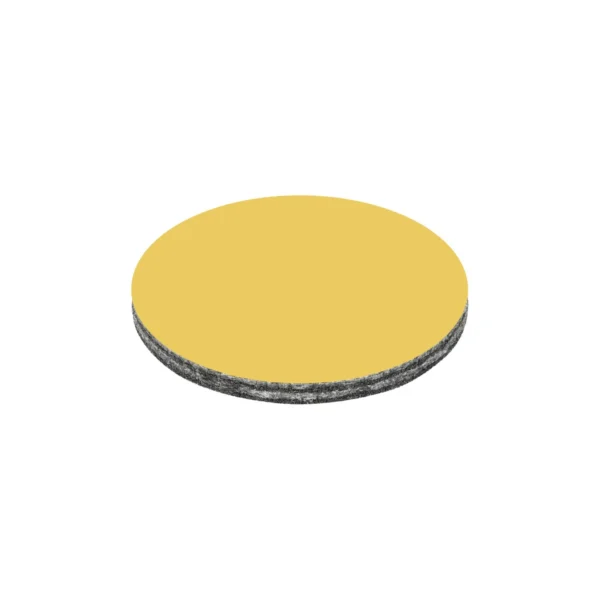
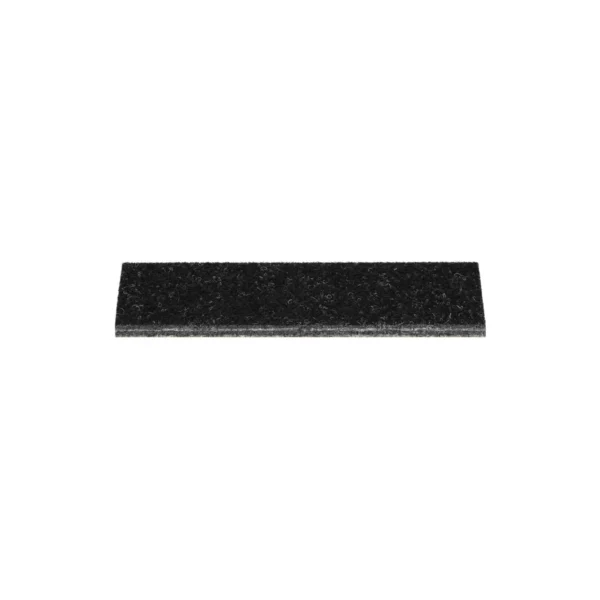
Standard pads, the most-ordered tier in our furniture pads guide, are the go-to floor protector for most furniture. A PA6 needle-punched polyamide fiber pad at 5.5 mm thickness is bonded to EHBT fiberglass mesh acrylic adhesive. Peel, press for 10 seconds, and the pad is ready to use. No tools, no curing time.

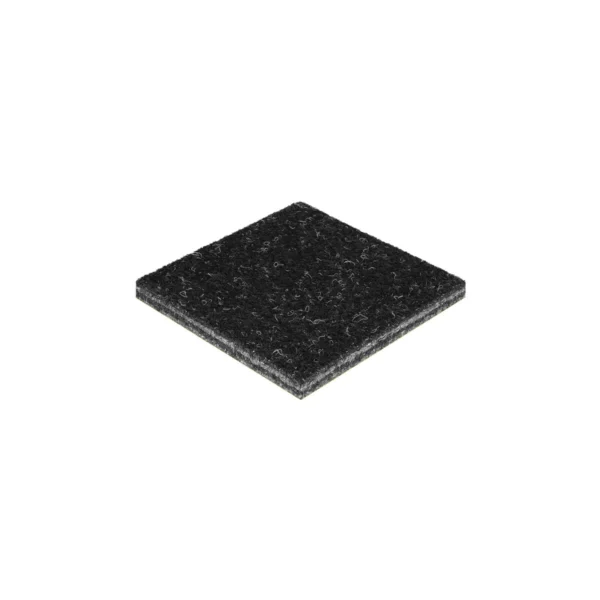
This is the right choice for furniture that stays in place: tables, cabinets, sofas, bed frames, bookshelves, dressers. The PA6 fiber surface distributes leg weight evenly so dents don’t form, and the fiber is chemically inert so it leaves no marks on any sealed floor finish. The widest size selection in our catalog: Ø 12 mm to 300 mm round, 20 × 20 mm to 300 × 300 mm square, plus 100+ rectangular sizes and adhesive strips for cutting to length. The Standard section of our furniture pads guide covers every size combination and use case.

Use Standard pads when

✓  Furniture stays in place most of the time (tables, cabinets, sofas, bed frames)
✓  Standard residential or light commercial weight
✓  You need a wide size range or large surface coverage
✓  Floor is smooth and hard (hardwood, tile, vinyl, laminate)

Standard pad specifications

Available shapes: Round, square, rectangular, adhesive strips
Surface: PA6 needle-punched fiber, 5.5 mm thick, 1,450 g/m² pile density
Sizes (round): Ø 12 mm to 300 mm
Sizes (square): 20 × 20 mm to 300 × 300 mm
Sizes (rectangular): 100+ sizes across 5 width groups, plus strips up to 510 mm
Adhesive: EHBT fiberglass mesh acrylic tape, full-back coverage
Installation: Press firmly for 10 seconds. Ready to use immediately. No cure time. The specs are also reviewed in the materials section of this furniture pads guide.

Heavy-Duty Furniture Pads: For Pianos, Pool Tables, and Heavy Equipment

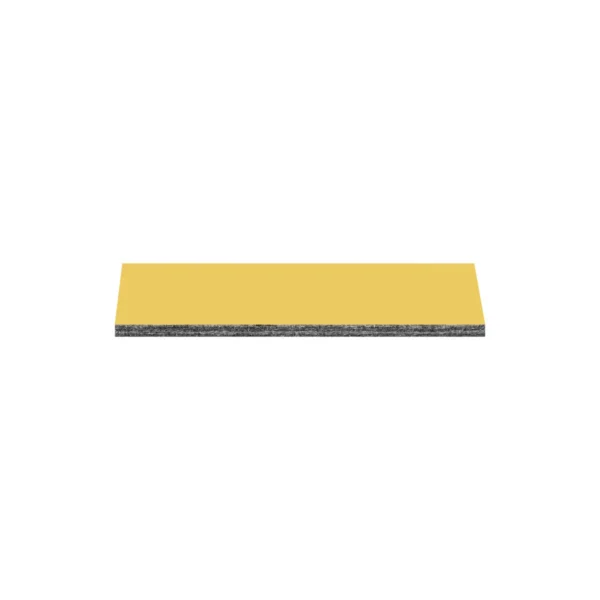
Heavy-Duty pads — covered in this section of our furniture pads guide — use the same PA6 fiber and EHBT adhesive as our Standard pads, but at 11 mm thickness — nearly double. The extra thickness resists compression under extreme weight that would flatten a standard 5.5 mm pad over time.

This is the right choice for pianos (grand and upright), pool tables, gun safes, server racks, large appliances, marble or stone furniture, and any heavy commercial equipment that concentrates serious weight on small contact points. Sizes start at Ø 30 mm round / 30 × 30 mm square — too small and the pressure-per-area exceeds what even the thicker fiber can handle. See the rest of this furniture pads guide for sizing and floor compatibility details.

Use Heavy-Duty pads when

✓  Furniture is heavy: piano, pool table, safe, server rack, appliance
✓  Small contact area concentrates load on a tight footprint
✓  Standard pads have compressed or flattened in past use
✓  Commercial or industrial application

Heavy-Duty pad specifications

Available shapes: Round, square, rectangular
Surface: PA6 needle-punched fiber, 11 mm thick (vs 5.5 mm Standard)
Sizes (round): Ø 30 mm to 300 mm
Sizes (square): 30 × 30 mm to 300 × 300 mm
Sizes (rectangular): 100+ sizes across 5 width groups
Adhesive: EHBT fiberglass mesh acrylic tape (same as Standard)
Installation: Press firmly for 10 seconds. Ready to use immediately. No cure time. See the materials section of this furniture pads guide for layer-by-layer breakdown.

Foam Furniture Pads: For Uneven Leg Bases, Uneven Floors, and Lightweight Objects

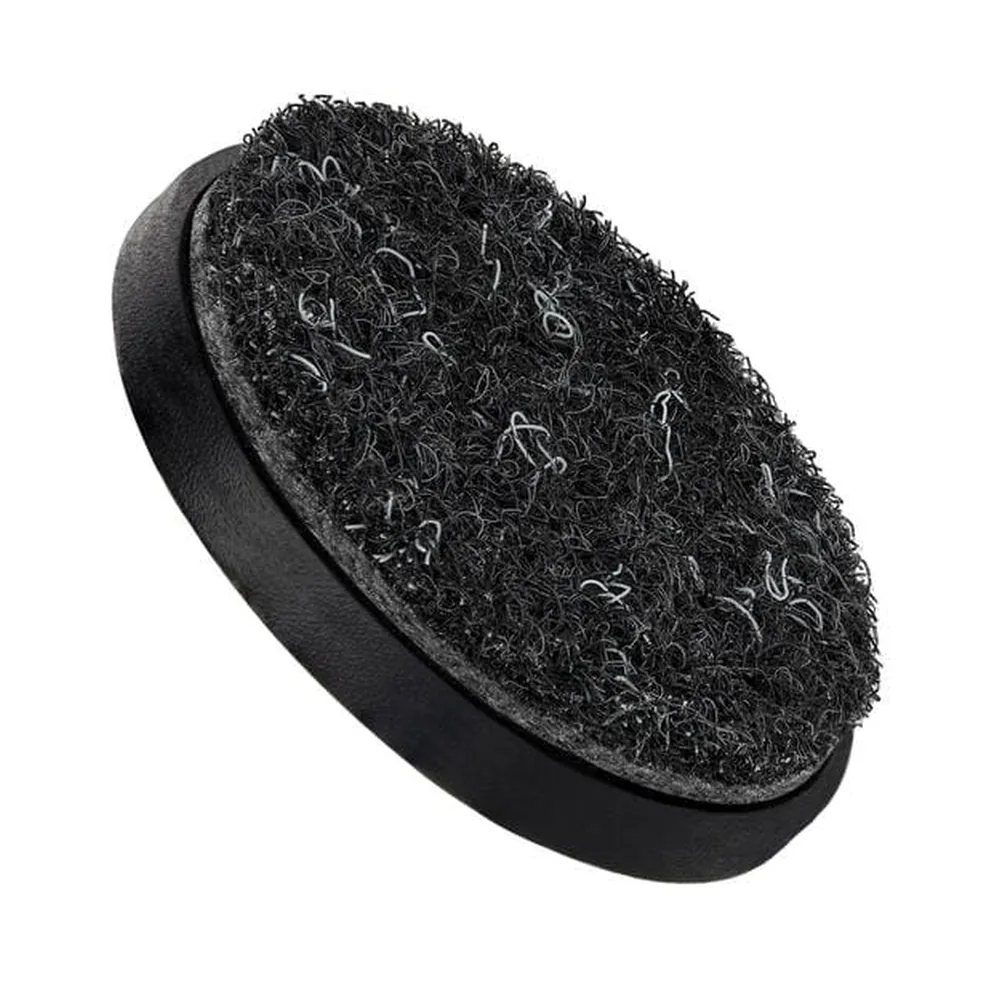
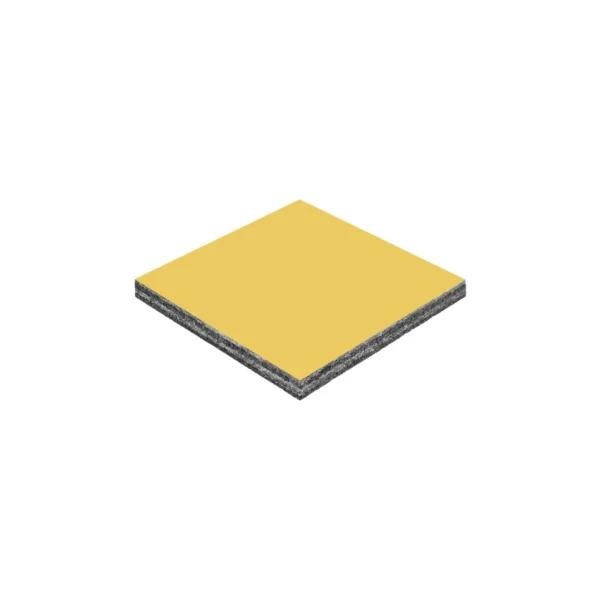
Foam furniture pads add a closed-cell foam core layer between the PA6 fiber surface and the adhesive backing. The foam compresses to fill gaps — both when a furniture leg base is warped, bowed, or uneven, AND when the floor itself has minor irregularities, dips, or transitions. Either way, the foam stops the rocking and wobbling that loose contact causes.

This is the right choice for furniture sitting on slightly uneven floors (old hardwood that has shifted, tile with minor lippage, board-to-board transitions); antique and vintage furniture where the leg bases aren’t perfectly flat; lightweight decorative objects (lamps, vases, ceramics); and furniture that rocks even on a level floor.

The foam layer also dampens vibration and absorbs sound, so it’s commonly used under speakers, small appliances, and anything that vibrates while running. Unlike Standard and Heavy-Duty pads, Foam pads use a dual adhesive system: EHBT mesh tape plus EHBF foam tape, with a 30-second press and 48-hour cure. The Foam section of this furniture pads guide walks through every use case and the dual-adhesive construction.

Use Foam pads when

✓  Floor has minor irregularities, dips, or transitions
✓  Furniture rocks or wobbles even on a level floor (uneven leg bases)
✓  Lightweight decorative objects (lamps, vases, ceramics)
✓  Antique furniture with imperfect or warped leg bases
✓  Vibration or sound dampening is important

Foam pad specifications

Available shapes: Round, square, rectangular
Surface: PA6 needle-punched fiber bonded to closed-cell foam core
Sizes (round): Ø 18 mm to 300 mm
Sizes (square): 18 × 18 mm to 300 × 300 mm
Sizes (rectangular): 5 width groups, 30–300 mm lengths
Adhesive: EHBT mesh tape + EHBF acrylic foam tape (dual adhesive)
Installation: Press firmly for 30 seconds; allow 48 hours for full cure. The Foam tier rounds out the three tiers covered in this furniture pads guide.

How to Measure Your Furniture Legs for the Right Pad

Now that you know which pad you want, this section of the furniture pads guide shows how to measure the leg base for the right size. Pad sizes are stated in millimeters with imperial conversions throughout this furniture pads guide. The right size sits just inside the edge of the leg, fully hidden when viewed from the side.

Four steps for any leg shape

1

Flip the furniture and access the leg base

Lay the furniture on its side or upside down. The flat face at the very bottom of the leg is where the pad will sit. That’s the surface you measure.

2

Measure at the widest point of the base

Use a ruler, tape measure, or calipers. Round legs: measure the diameter across the widest point. Square legs: measure one side. Rectangular legs: measure both width and length.

3

Account for tapered legs

Many modern and mid-century legs taper, meaning the bottom is narrower than the top. Always measure at the bottom, not the top. The pad must fit the actual base it’s attaching to.

4

Pick the closest size: go smaller, not larger

If your measurement falls between two sizes, choose the smaller one. A pad that overhangs the leg edge catches on things and lifts at the corner. A slightly tucked-under pad stays hidden and bonded.

Sizing tip: a pad that’s slightly smaller than the leg sits hidden under the leg edge. A pad that’s larger overhangs and catches on things. Always go smaller at the boundary.

Available pad sizes

Available pad sizes by shape

ShapePad size rangeCommon uses
RoundØ 12 – 30 mmSmall chair legs, side tables, lightweight furniture
Ø 40 – 75 mmDining tables, sofa feet, accent chairs
Ø 80 – 150 mmLarge table bases, cabinet feet, equipment
Ø 160 – 300 mmHeavy equipment bases, commercial furniture
Square20 – 30 mmSmall square chair legs, lightweight furniture
40 – 75 mmDining chairs, table legs, bookcases
80 – 150 mmCabinet bases, large table legs, equipment
160 – 300 mmHeavy bases, commercial and industrial equipment
Rectangular20 mm wideLengths 30 – 240 mm: narrow legs, chair rails
30 mm wideLengths 40 – 200 mm: table legs, cabinet bases
40 mm wideLengths 50 – 250 mm: bed frames, large tables
50 mm wideLengths 70 – 300 mm: heavy bases, equipment
Strips19 × 510 mm and 25 × 510 mm: cut to length

Which Floors Work with Furniture Pads?

The floor compatibility section of this furniture pads guide covers what pads are designed for. Furniture pads use the same chemically inert PA6 needle-punched fiber as our glides, so they work on all the same smooth, hard floor finishes. The fiber leaves no marks, scuffs, or residue on any sealed floor. The National Wood Flooring Association recommends protective pads on furniture legs as a primary measure for maintaining hardwood floor condition. Read the rest of this furniture pads guide before adding to cart — the wrong tier or size won’t protect your floor properly.

Pads work on these floors

Hardwood (all species)
Engineered wood
Parquet, bamboo, cork
Laminate (all AC ratings)
Luxury vinyl (LVP, LVT)
Sheet vinyl
Polished ceramic tile
Porcelain tile (glazed)
Marble and granite
Travertine (polished)
Sealed concrete
Polished concrete
Epoxy-coated concrete
Linoleum (Marmoleum)

NWFA-aligned: The National Wood Flooring Association recommends protective pads on furniture legs to prevent dents, traffic patterns, and finish wear on hardwood floors.

Don’t use pads here

Wall-to-wall carpet
Carpet tile
Area rugs
Indoor-outdoor carpet
Unsealed concrete
Textured tile
Natural cleft slate
Stamped concrete
Brick floors
Rough terrazzo

For carpet or rough hard floors: use Furniture Slides instead. Slides have a hard ABS base that handles abrasive textures and carpet fibers that would wear through PA6 fiber quickly.

By Furniture Type: Best Pad for Each Use Case

This section of our furniture pads guide walks you through which pad type to choose for each piece of furniture. Most decisions come down to weight (Standard vs Heavy-Duty) and whether the leg base is flat (Standard/Heavy-Duty) or uneven (Foam). The furniture-type recommendations in this furniture pads guide come from real customer orders.

Furniture type
Recommended pad
Why
Dining and kitchen tables
Standard pads, 40 – 75 mm round or square
Heavy but stationary. Standard thickness handles the load without compressing over months.
Sofas and lounge chairs
Standard pads, 40 – 75 mm
Living room furniture rarely moves. Pads stop the legs from denting hardwood and let you slide the sofa for cleaning.
Bookshelves, cabinets, dressers
Standard pads, 30 – 75 mm
Vertical furniture that stays put for years. Cheap insurance against dents and corner marks.
Bed frames and headboards
Standard pads, rectangular strips or 40–75 mm rounds
Hidden behind bedskirts, so size and aesthetics don’t matter. Stops scratches when you rearrange the bedroom.
Pianos and pool tables
Heavy-Duty pads, 50 – 100 mm
Hundreds of pounds on small contact points. Standard pads compress and flatten under this load — use the 11 mm thickness.
Gun safes, server racks, appliances
Heavy-Duty pads, 75 – 150 mm
Concentrated weight on small feet. Heavy-Duty thickness keeps the pad from compressing into a thin film over time.
Lamps, vases, decorative objects
Foam pads, Ø 18 – 50 mm
Lightweight objects with imperfect bases. Foam conforms to the bottom shape and dampens wobble.
Furniture on uneven floors
Foam pads, matched to leg base
For shifted hardwood, tile with lippage, or board-to-board transitions. The foam fills the gap so the furniture sits flat.
Antique furniture (uneven legs)
Foam pads, matched to leg base
Old furniture legs aren’t perfectly flat. The foam compresses to fill gaps so the piece doesn’t rock.
Speakers and small appliances
Foam pads
The foam layer dampens vibration and absorbs sound during operation. Useful under speakers, mini-fridges, dehumidifiers.
Large bases and commercial equipment
Standard or Heavy-Duty pads, 150 – 300 mm or rectangular strips
For unusual contact shapes or oversized footprints, the 100+ rectangular sizes plus 510 mm strips give you cut-to-length flexibility.

These furniture-type picks come from the case-study chapter of our furniture pads guide.

What’s Inside Each Furniture Pad

Every furniture pad is engineered as a complete protection system. The materials section of our furniture pads guide breaks down each component and what role it plays in protecting your floor from dents, scratches, and traffic marks. Each tier (Standard, Heavy-Duty, Foam) uses the same PA6 fiber surface, but the construction underneath changes based on what the pad needs to do. Each layer in our furniture pads guide has a specific job. Read this materials chapter of the furniture pads guide before you order.

Standard Pad Construction

Two precision-engineered components protect your floors from the weight of everyday furniture. The PA6 fiber surface sits against the floor while the EHBT adhesive bonds to the furniture leg base.

PA6 Surface Pad

PA6 (Polyamide 6) needle-punched fiber at 1,450 g/m² pile density and 5.5 mm thickness. Vertically interlocked fibers resist compression under sustained furniture weight without delaminating. No adhesives used in fiber manufacturing — entirely mechanical interlock. Chemically inert against any sealed floor finish.

EHBT Adhesive Backing

EHBT (Extra High Bond Tape) double-sided fiberglass mesh acrylic adhesive bonds securely to wood, metal, plastic, glass, stone, and every other smooth furniture surface. Applied to the full back surface of the pad — not just the center like cheaper alternatives. Press for 10 seconds; ready to use immediately, no cure time.

Heavy-Duty Pad Construction

Two precision-engineered components handle extreme weight loads from pianos, safes, marble furniture, and commercial equipment. Same construction as Standard pads, but with doubled thickness for maximum compression resistance.

PA6 Surface Pad

Same PA6 (Polyamide 6) needle-punched fiber used in our Standard pads, but at 11 mm thickness — nearly double the Standard 5.5 mm. The added thickness resists compression from pianos, gun safes, and heavy commercial furniture that would flatten a Standard pad over time. Same chemically inert fiber surface; same vertical interlock construction.

EHBT Adhesive Backing

Same EHBT (Extra High Bond Tape) fiberglass mesh acrylic adhesive as Standard pads. Waterproof, high bonding strength, full-back coverage. The thicker Heavy-Duty profile adds vibration dampening, especially useful under appliances like refrigerators, washers, and dryers that vibrate during operation.

Foam Pad Construction

Three precision-engineered layers solve the uneven-floor and uneven-leg problem. The PA6 fiber surface protects the floor, the closed-cell foam core conforms to surface irregularities on either the leg base or the floor, and the dual EHBT + EHBF adhesive system bonds securely to any furniture leg base.

PA6 Surface Pad

The PA6 (Polyamide 6) needle-punched fiber surface is the layer that contacts your floor. Extreme toughness, high tensile strength, and high impact strength, with a low coefficient of friction that makes the pad glide rather than drag. Excellent resistance to wear, acids, and alkalis. Density: 1,450 g/m². Dimensional stability and material properties hold from −40°C to +85°C, so the pad performs the same in cold storage as it does next to a sunny window.

EHBT Fiberglass Mesh Tape

EHBT (Extra High Bond double-sided fiberglass mesh acrylic tape) is the structural bond between the PA6 surface and the EHBF foam layer below. The mesh-reinforced acrylic provides high bonding strength and is fully waterproof, so the pad stays intact through floor cleaning. EHBT is the same adhesive backing used in our Standard and Heavy-Duty pads; in the Foam tier it serves as the internal bond between layers rather than the mounting surface.

EHBF Acrylic Foam Tape

EHBF (Extra High Bond double-sided acrylic foam tape) is the layer that makes a Foam pad a Foam pad. Compressible acrylic foam fills gaps when the furniture leg base is warped or bowed AND when the floor itself has minor irregularities, dips, or transitions — either way, eliminating wobble. The same foam dampens sound and vibration, which is useful under lamps, speakers, and lightweight objects. EHBF also bonds the assembly directly to the furniture leg with high adhesive strength and excellent resistance to moisture and solvents. Press firmly for 30 seconds; allow 48 hours for full cure before heavy use.

How to Install Furniture Pads

The installation chapter of this furniture pads guide walks you through both install methods. Standard and Heavy-Duty pads install in seconds with no cure time. Foam pads need a cleaning step first plus 48 hours of cure time before heavy use. This installation chapter of our furniture pads guide covers both methods.

Standard and Heavy-Duty Pads: 10-Second Install

1

Clean the surface

Wipe the bottom of every furniture leg with isopropyl alcohol (70% or higher). The surface needs to be clean and dry — dust, wax, or oily residue weakens the EHBT bond. Let the alcohol evaporate before moving on.

2

Peel the backing

Per the installation chapter of our furniture pads guide, Peel the protective film off the EHBT adhesive. Discard immediately so it doesn’t stick back on the pad. Don’t touch the adhesive with your fingers — skin oils reduce bond strength.

3

Center and press for 10 seconds

Place the pad on the leg base with the PA6 fiber side facing the floor. Center it so the leg sits in the middle. Press firmly for 10 seconds. The EHBT adhesive bonds on contact and reaches full strength immediately.

4

Set the furniture down

Lower the furniture onto the floor. The weight of the furniture reinforces the bond. Standard and Heavy-Duty pads are ready to use — no cure time.

Foam Pads: 30-Second Install with 48-Hour Cure

1

Clean the surface

Wipe the bottom of every furniture leg with isopropyl alcohol (70% or higher). Let the alcohol fully evaporate before installing. Foam pads need an extra-clean surface because the dual EHBT + EHBF adhesive bonds chemically over time.

2

Peel the backing

Remove the protective film. Foam pads have backing on both the EHBT mesh tape AND any EHBF foam tape inside the layer stack. Only the bottom backing needs to come off for installation.

3

Press firmly for 30 seconds

Center the foam pad on the leg base with the PA6 fiber side facing the floor. Press firmly with even pressure for a full 30 seconds. Don’t rush this step — the foam needs to compress slightly into the leg base contours for the cure to take.

4

Wait 48 hours

Set the furniture back down gently. The weight reinforces the bond, but the EHBT + EHBF dual adhesive needs 48 hours to reach full strength. Avoid moving the furniture during this period.

Pads vs Glides: Which Do You Need?

The pads-vs-glides comparison in this furniture pads guide comes down to one decision: does the furniture stay in place or does it move regularly? Both products use the same PA6 fiber surface and protect the same floors. The difference is structural: pads are thin and flexible with the widest size range, while glides have a rigid ABS platform and nail-on mounting option. The comparison section of this furniture pads guide helps you pick correctly the first time. The next chapter of this furniture pads guide covers installation step by step.

Furniture Pads (this guide)

Floor contact surface: PA6 needle-punched fiber bonded directly to EHBT adhesive. No rigid platform underneath.

For: Furniture that stays in place — tables, sofas, cabinets, bed frames, dressers, decorative objects.

Mounting: Self-adhesive only. No nail-on.

Size range: Widest in the catalog. Round Ø 12 mm to 300 mm, square 20 × 20 mm to 300 × 300 mm, plus 100+ rectangular sizes and cut-to-length adhesive strips.

Three tiers: Standard, Heavy-Duty, and Foam — each engineered for a different use case.

Furniture Glides

Floor contact surface: PA6 fiber bonded to a rigid ABS platform.

For: Furniture that moves frequently — dining chairs, desk chairs, side chairs, bar stools. The ABS platform distributes load when furniture slides across the floor.

Mounting: Nail-on (zinc-plated steel rivet into solid wood) or self-adhesive (EHBF acrylic foam tape on any clean surface).

Size range: Smaller. Round Ø 23 mm to 75 mm, square 23 × 23 to 75 × 75 mm, rectangular 33 × 19 mm.

Two surfaces: Smooth Glide (movement) and Anti-Slip (fixed seating that needs grip).

Furniture Pads Guide FAQ: Your Questions Answered

These are the questions we get most about furniture pads. If you don’t see your question, our specialists can help — reach out via Contact & Support. Our furniture pads guide has answered thousands of customer questions already. Browse the rest of the furniture pads guide if you don’t see your question covered here.

Furniture pads are self-adhesive PA6 needle-punched fiber discs that attach to the bottom of furniture legs to protect smooth, hard floors from dents, scratches, and traffic marks. They’re ideal for furniture that stays in place — tables, sofas, cabinets, bed frames, dressers. Available in three tiers: Standard (everyday furniture), Heavy-Duty (pianos and heavy equipment), and Foam (uneven bases and lightweight objects).

Both use the same PA6 fiber surface. Pads attach directly to the leg with EHBT mesh adhesive — no rigid platform underneath. Glides have a rigid ABS platform that distributes load when furniture moves across the floor. Choose pads for furniture that stays put. Choose glides for furniture that moves regularly (dining chairs, desk chairs).

Standard pads (5.5 mm thick) handle everyday furniture weight — tables, sofas, cabinets, dressers. Heavy-Duty pads (11 mm thick) are for concentrated loads on small contact points: pianos, pool tables, gun safes, server racks, large appliances, marble or stone furniture. If a Standard pad would be compressed flat by what you’re putting on it, use Heavy-Duty instead.

Foam pads are for three specific cases: (1) furniture on slightly uneven floors — old hardwood that has shifted, tile with minor lippage, board-to-board transitions — where the foam compresses to fill the gap; (2) furniture with uneven, warped, or bowed leg bases that rocks even on a flat floor; and (3) lightweight decorative objects (lamps, vases, ceramics, speakers) where the foam dampens vibration and absorbs sound. They’re not for heavy furniture — the foam compresses under load.

The pad should be the same size as the leg base or slightly larger — unlike glides, which go smaller. Pads work best with full coverage of the contact point. Measure your leg base (round = diameter; square or rectangular = width × depth) and pick the closest pad size at or just above. For example, a 38 mm round leg can use a Ø 40 mm pad.

No. The PA6 needle-punched fiber is chemically inert and leaves no marks, scuffs, or residue on any sealed floor finish. The National Wood Flooring Association (NWFA) recommends protective pads on furniture legs as a primary measure for maintaining hardwood floor condition.

No. Pads are designed for smooth, hard floors only. The PA6 fiber surface presses into carpet pile and provides no benefit — plus the EHBT adhesive doesn’t bond well to the bottom of a leg that’s already pressed into carpet. For carpet, use Furniture Slides with a hard ABS surface instead.

The PA6 fiber surface is dimensionally stable and chemically inert. Replacement intervals depend on traffic, weight, and how often furniture moves. Standard pads typically need replacement when the fiber has compressed to a thin film or the edges have started to delaminate. Heavy-Duty pads hold up better under sustained heavy weight. Foam pads have the shortest service life because the foam core eventually loses some compression resistance.

Yes. Wipe the leg base with isopropyl alcohol (70% or higher) and let it fully evaporate before installing. Dust, wax, or oily residue weakens the EHBT bond. This step matters more for Foam pads (which need 48 hours to cure) than for Standard/Heavy-Duty pads (which bond on contact), but you should clean for both.

For Standard and Heavy-Duty pads: yes, immediately. The EHBT adhesive bonds on contact and reaches full strength right away. For Foam pads: wait 48 hours before heavy use. The dual EHBT + EHBF adhesive system needs time to cure fully under the furniture’s weight.

This is where the size range matters. We carry over 100 rectangular pad sizes across five width groups (20, 30, 40, 50, 60 mm), plus 510 mm adhesive strips that you can cut to length for non-standard shapes. For oversized round bases, pads go up to Ø 300 mm. For square bases, up to 300 × 300 mm. If your furniture has a truly unusual contact shape, contact us via Contact & Support for a recommendation.

Still narrowing it down?

Ask the Product Advisor

Tell our advisor about your floor and chairs in plain English. Direct answers in seconds, no sign-up.

Ready to find the right furniture pads?

You’ve made it through the whole furniture pads guide. Now shop the catalog with all the knowledge of pad tiers, sizing, and floor compatibility under your belt. Or talk to a specialist if you want help dialing in a specific order.

Business accounts: Business Solutions for volume pricing, B2B accounts, and commercial orders.