Ships nationwide · In-stock and made-to-order sizes
Ships nationwide · In-stock and made-to-order sizes
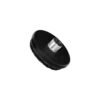
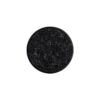
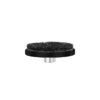
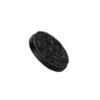
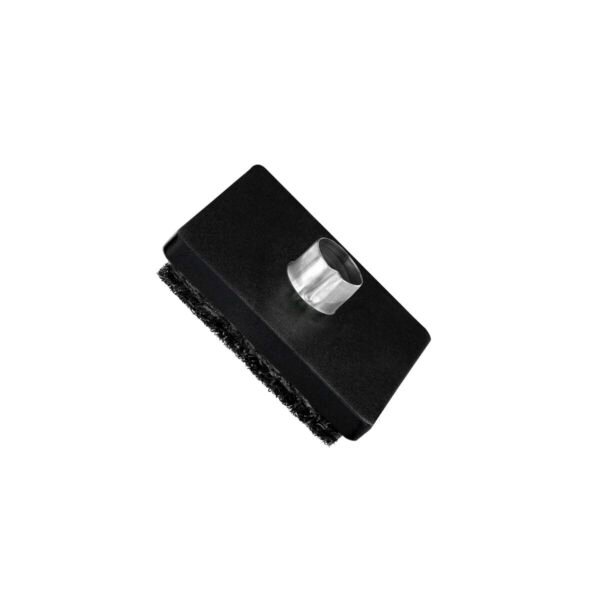
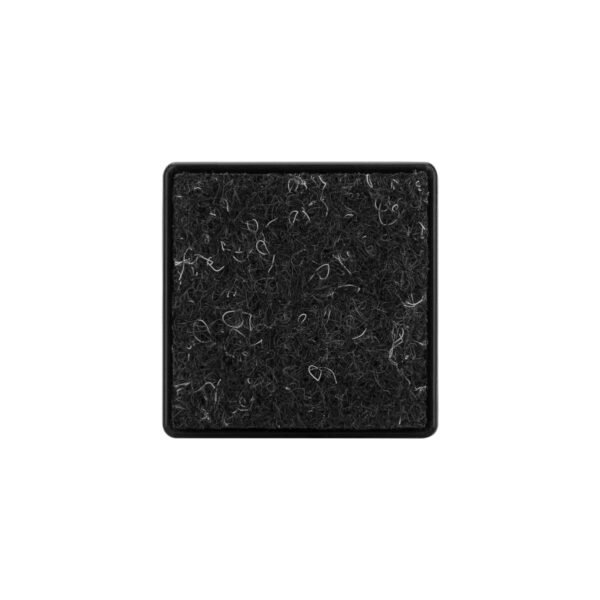
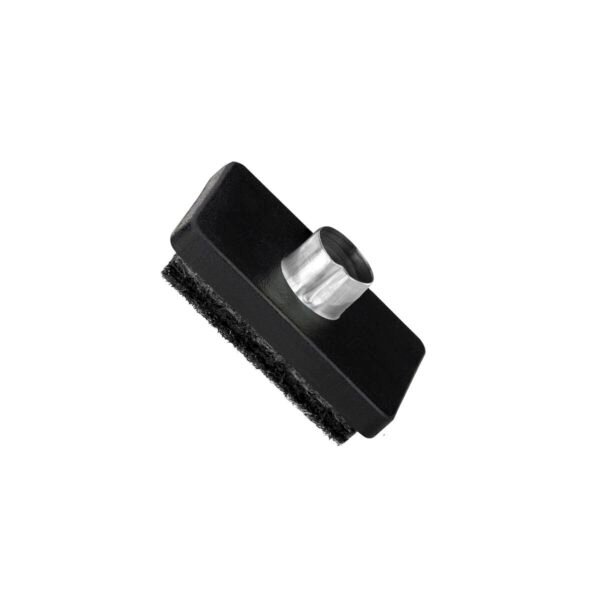
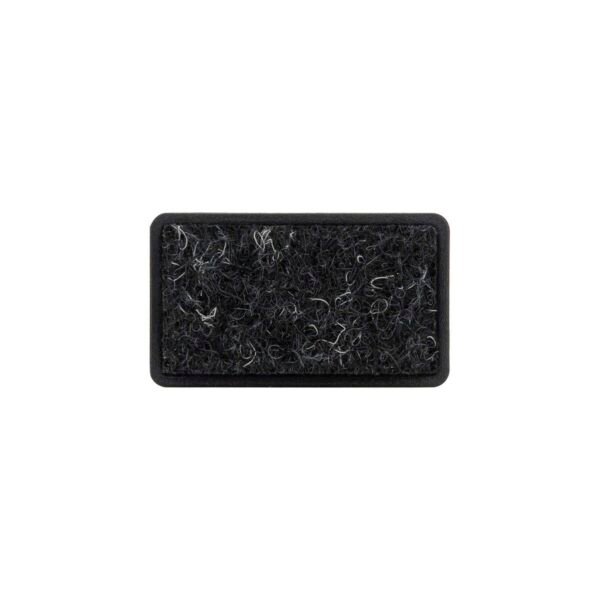
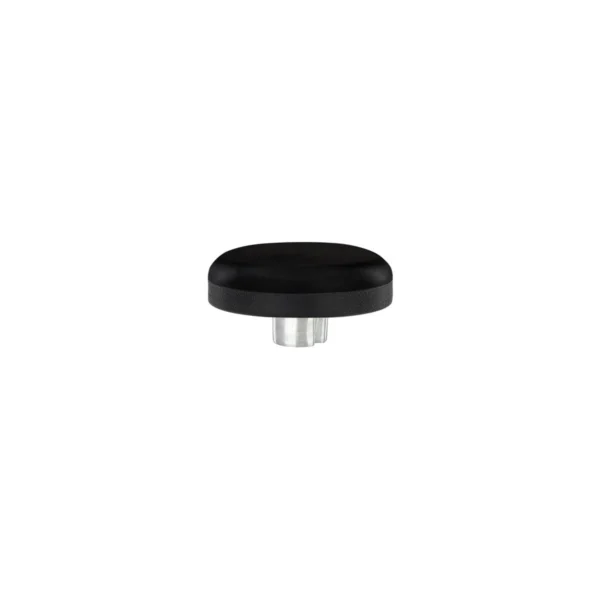
Bare wood chair legs leave drag marks across a hard floor. These stop that. The PA6 needle-punched fiber face glides silently and scuff-free, and the zinc-plated rivet taps straight into solid wood legs. No pre-drilling, no adhesive.
We run this size in a batch rather than keeping it on the shelf. Tell us how many you need and we will come back with a firm quote and a lead time, usually within one business day.
Nothing is charged here.
Buying in volume? See business samples and quotes ↓
The difference
They look the same from the top. Turn them over and the difference is the whole product.
| What matters | Ordinary nail-on glide | Superior Glide |
|---|---|---|
| The face on the floor | ✕A thin felt disc or bare plastic, glued to a plastic cap. | ✓Needle-punched PA6 fiber, 1,450 g/m², bonded to a rigid ABS body. It glides; it does not scrape. |
| How it stays on | ✕One plain nail. The leg flexes, the nail works loose, and soon the nail head is what touches your floor. | ✓A tubular zinc rivet with an anti-rotation notch. It grips the wood fibers, does not spin, and refits in the same hole. |
| Sizing | ✕One or two sizes in a blister pack, whatever the leg. | ✓Five diameters matched to the leg base, so nothing overhangs and nothing catches. |
| Grit | ✕Flat felt traps it and drags it across the finish. | ✓Vertical fiber sheds it instead of holding it. |
| When it wears | ✕Throw the chair on its side and start again with a new nail hole. | ✓Tap the old one out, tap the new one in. Same hole, 90-day warranty. |
In more detail
Every time a bare wooden chair leg drags across hardwood, it grinds grit into the finish and cuts scratches you don't notice until you notice them everywhere. Round nail-on furniture glides put a PA6 needle-punched fiber surface between the leg and your floor. Round nail-on chair glides take that wear instead of the leg.
A tubular zinc rivet taps into solid wood legs with a rubber mallet. An anti-rotation notch keeps the glide from spinning under load. No pre-drilling, no adhesive, no curing time.
Cheap felt pads compress flat, trap grit, and peel off within weeks. PA6 fiber holds its structure and keeps a low-friction face against the floor finish.
Five diameters, from Ø 7/8" (23 mm) to Ø 3" (75 mm), cover round wooden legs on hardwood, tile, laminate, vinyl, stone, and every other smooth hard floor. For solid wood legs only.
The short answer: these are hammer-in chair leg protectors for round wooden legs on smooth hard floors. Measure the flat base of the leg, pick a glide flush with that measurement or slightly smaller, and drive the rivet home with a rubber mallet. Metal, plastic, or hollow legs need the self-adhesive version instead. Carpet and rough floors need slides.
The most common mistake is guessing the leg size. A glide that's too small wobbles and leaves the leg edge in direct contact with the floor. A glide that's too large overhangs and catches on transitions.
Measuring takes 30 seconds and gets you the right nail-on chair leg protectors for every leg on the piece.
Step 1: Flip or tilt the furniture
Lay the piece on its side or turn it upside down. You need full access to the flat bottom face of each leg where the glide will sit.
Step 2: Measure the diameter
Use a ruler or calipers across the widest point of the leg base. For turned legs that taper, measure at the very bottom. The base is the only measurement that matters.
Step 3: Match to the size chart
Select the round nail-on furniture glide whose range includes your measurement. A Ø 1-1/4" (32 mm) leg falls within the Ø 1-1/8" (28 mm) range, which fits legs Ø 1-1/8"–1-7/16" (28–37 mm). Right on a boundary, go with the smaller size so the glide stays inside the leg edge.
Tapered legs: always measure at the very bottom. A tapered leg that measures Ø 1-9/16" (40 mm) at mid-height but Ø 1-5/16" (33 mm) at the base needs the Ø 1-1/8" (28 mm) glide, not the Ø 1-1/2" (38 mm). Sized to the bottom diameter, the glide sits flush under the leg without overhanging.
Installation takes under a minute per leg. No pre-drilling required on solid hardwood, MDF, or softwood.
The rivet parts wood fibers rather than cutting them away, so the wood closes around the shaft and grips it. That mechanical hold is what suits nail-on glides to furniture that gets moved several times a day on smooth hard floors.
What you need
Installation steps
Removal and replacement: pry gently from one edge with a flat-head screwdriver or putty knife. The tubular rivet lifts out cleanly because it parted the fibers rather than boring them away, and those fibers spring back. A fresh glide seats in the same hole without widening it and without filler. You can also swap to non-slip or carpet slides in the same hole if your needs change.
✓ Use these glides on
✗ Not the right product for
Which floors these work on
PA6 is chemically inert, so it doesn't react with sealed floor finishes or transfer color to them. The National Wood Flooring Association (NWFA) recommends furniture protectors on every leg as a primary hardwood maintenance step.
These hardwood floor protectors suit every smooth hard surface listed below.
Hardwood: solid and engineered, all speciesParquet, bamboo, reclaimed woodLaminate: all types and AC ratingsLuxury vinyl: LVP, LVT, sheet vinylCeramic and porcelain tileNatural stone: marble and granite (polished)Concrete: sealed, polished, epoxy-coatedCork flooringLinoleum and MarmoleumRough or textured hard floors: unsealed concrete, textured tile, natural cleft slate, travertine, and floors with wide grout lines abrade PA6 fiber. For these surfaces, use round nail-on furniture slides instead. The hard ABS base rides over abrasive texture rather than catching in it.
Both versions are built on the same ABS Plate and rivet construction used across the nail-on line. The only difference is the contact surface, which decides whether furniture moves freely or holds position.
Smooth Glide: round nail-on furniture glides
Low-friction PA6 fiber for round-legged furniture that gets repositioned regularly. Dining chairs, kitchen chairs, desk seating, and accent chairs. These are the nail-on chair glides for hardwood floors you're viewing now.
You're viewing this product.Non-Slip: round nail-on rubber glides
Controlled grip for round-legged furniture that must stay put. Accent tables, display furniture, bar stools, and piano benches. Anywhere sliding is a nuisance or a safety concern.
For furniture that needs to grip →
Both use the same ABS Plate and Tubular Zinc Rivet with an Anti-Rotation Notch. The PA6 and NR+CR surfaces can't be swapped in place: remove the fitted glide and seat the correct version in the same hole.
The glide shape has to match the leg cross-section. A mismatch leaves part of the leg base unprotected, and unprotected contact points are where floor damage starts. All three shapes use the same PA6 Surface, ABS Plate, and Tubular Zinc Rivet.
Round Nail-On Furniture Glides ← You're here.
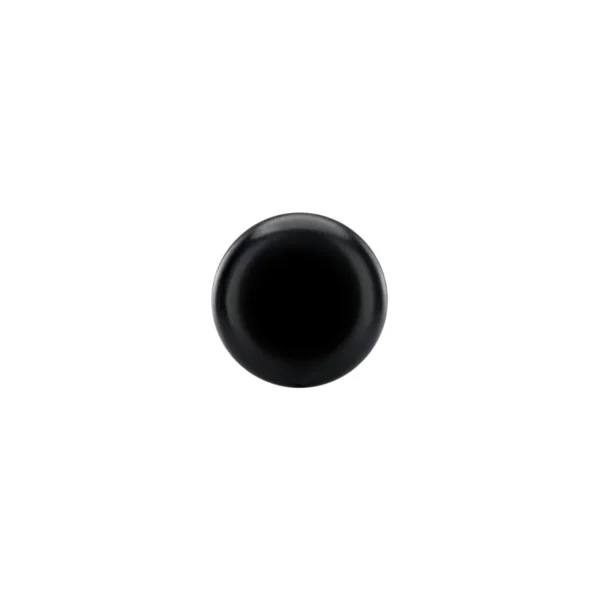
For circular, turned, tapered, and cylindrical legs. Ø 7/8" (23 mm) to Ø 3" (75 mm). The most common round chair leg protectors for dining chairs.
Square Nail-On Furniture Glides
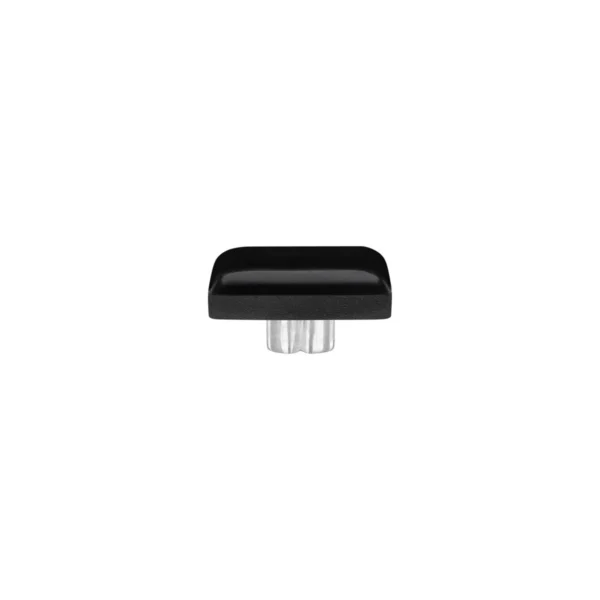
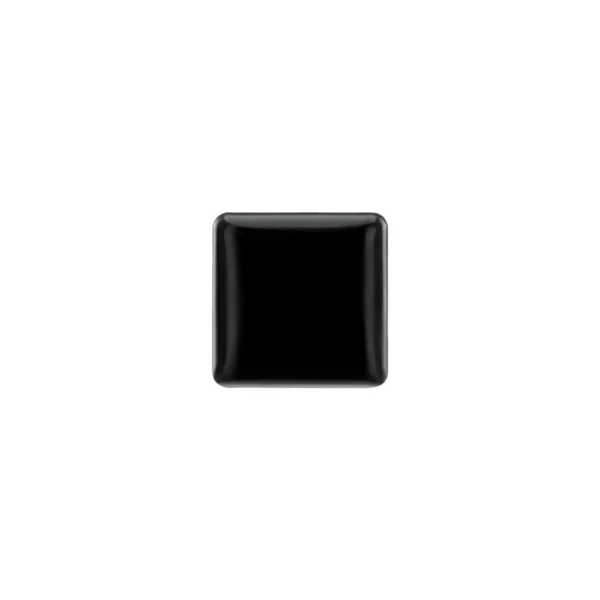
For equal-sided square legs, with full corner-to-corner PA6 coverage. From 7/8" x 7/8" (23 x 23 mm) to 3" x 3" (75 x 75 mm).
View square nail-on furniture glides →
Rectangular Nail-On Furniture Glides
For rectangular legs with unequal sides, common on mid-century and Scandinavian furniture. 1-5/16" x 3/4" (33 x 19 mm).
Measure the widest point of the flat base of the leg, then choose the size on that row. The part should sit flush with the leg or just inside it. Not wider.
| Diameter (Ø) | Fits legs measuring |
|---|---|
| Ø 7/8" (23 mm) | 7/8" to 1" (23 to 27 mm) |
| Ø 1-1/8" (28 mm) | 1-1/8" to 1-7/16" (28 to 37 mm) |
| Ø 1-1/2" (38 mm) | 1-1/2" to 1-15/16" (38 to 49 mm) |
| Ø 2" (50 mm) | 2" to 2-15/16" (50 to 74 mm) |
| Ø 3" (75 mm) | 3" to 3-3/4" (75 to 95 mm) |
Wider than 3-3/4" (95 mm)? No glide covers that. A self-adhesive pad will.
One sheet covers round, square, and rectangular legs, for both nail-on and self-adhesive versions.
⇩Printable size guide (PDF)Print at 100% actual size, then hold your leg against each shape.
| Specification | Detail |
|---|---|
| Material | Zinc-plated steel rivet, ABS, PA6 polyamide fiber |
| Sizes | 7/8", 1-1/8", 1-1/2", 2", 3" (23, 28, 38, 50, 75 mm) |
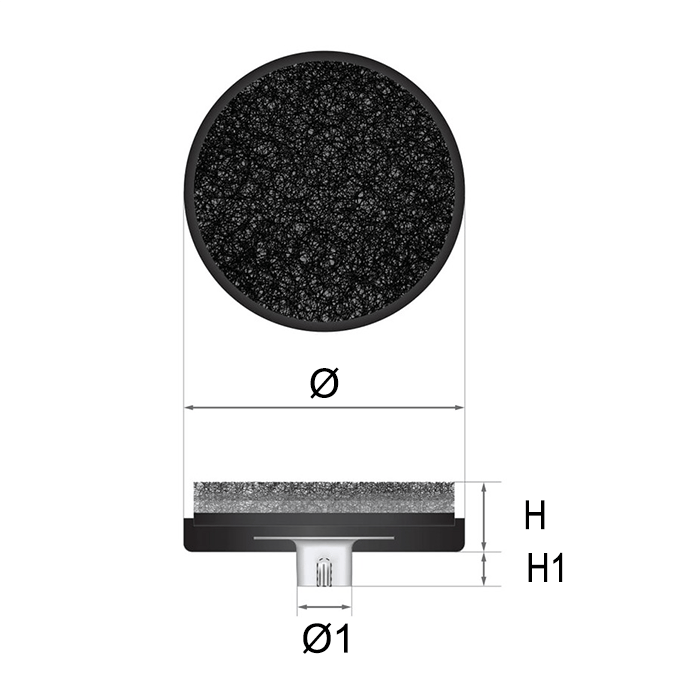
| Head height (H) | 1/2" (12 mm) |
| Rivet Ø (Ø1) | 3/8" (9.2 mm) |
| Mounting | Zinc rivet, tapped in with a rubber mallet |
| Colors | Black |
| Floor compatibility | Smooth hard floors only |
| Sold as | Individual pieces. 4 is the smallest order. |
| Warranty | 90 days against defects in materials and workmanship |
PA6 stands for Polyamide 6, a needle-punched synthetic fiber with a pile density of 1,450 g/m² (43 oz/yd²). Thousands of barbed needles mechanically interlock the fibers during manufacturing, so no glue holds the surface together and there are no layers to separate. The result is a dense, low-friction contact layer that resists compression and deflects debris instead of trapping it, moving quietly across smooth hard floors: hardwood, tile, laminate, vinyl, and polished stone. PA6 does not absorb moisture, and it is formulated not to transfer color onto sealed finishes. On rough or textured surfaces, choose ABS slides instead.
Flip the furniture and measure the diameter at the very bottom of the leg base with a ruler or calipers. Match that measurement to the size chart above: five sizes from Ø 7/8″ (23 mm) to Ø 3″ (75 mm), covering legs up to Ø 4″ (100 mm). If your measurement falls on a boundary between two sizes, choose the smaller glide so it stays hidden beneath the leg edge. For tapered legs, always measure at the very bottom, not mid-leg.
Yes. The Tubular Zinc Rivet parts wood fibers on entry rather than boring them out. Center the glide on the leg base with the PA6 Surface facing the floor, hold it steady, and strike the rivet head with a rubber mallet. Two to three firm strikes seat it fully on hardwood, MDF, and softwood. No pilot hole, no drill, no screws. The Anti-Rotation Notch keeps the glide from spinning as the chair moves.
Both use the same ABS body, the same Tubular Zinc Rivet, and the same five sizes. The difference is the floor-contact surface. Round nail-on furniture glides (Smooth Glide) use low-friction PA6 for furniture that needs to move freely, like dining chairs. Round anti-slip nail-on furniture glides use NR+CR rubber for furniture that must stay put, like bar stools and piano benches. Both fit the same rivet hole, so you can swap between them if your needs change.
Yes. PA6 is chemically stable against floor finishes, cleaning products, and moisture, and it is formulated not to transfer color onto sealed surfaces, including LVP, LVT, and sheet vinyl. The National Wood Flooring Association recommends furniture protectors on every leg as a basic maintenance step. One condition: the vinyl must be smooth. Embossed or textured plank with deep grain abrades PA6 fiber, and those floors need ABS slides instead.
A furniture glide is the wear face between a leg and the floor. It lets the leg slide without scratching, takes the abrasion the leg would otherwise take, and is replaced when worn instead of the furniture.
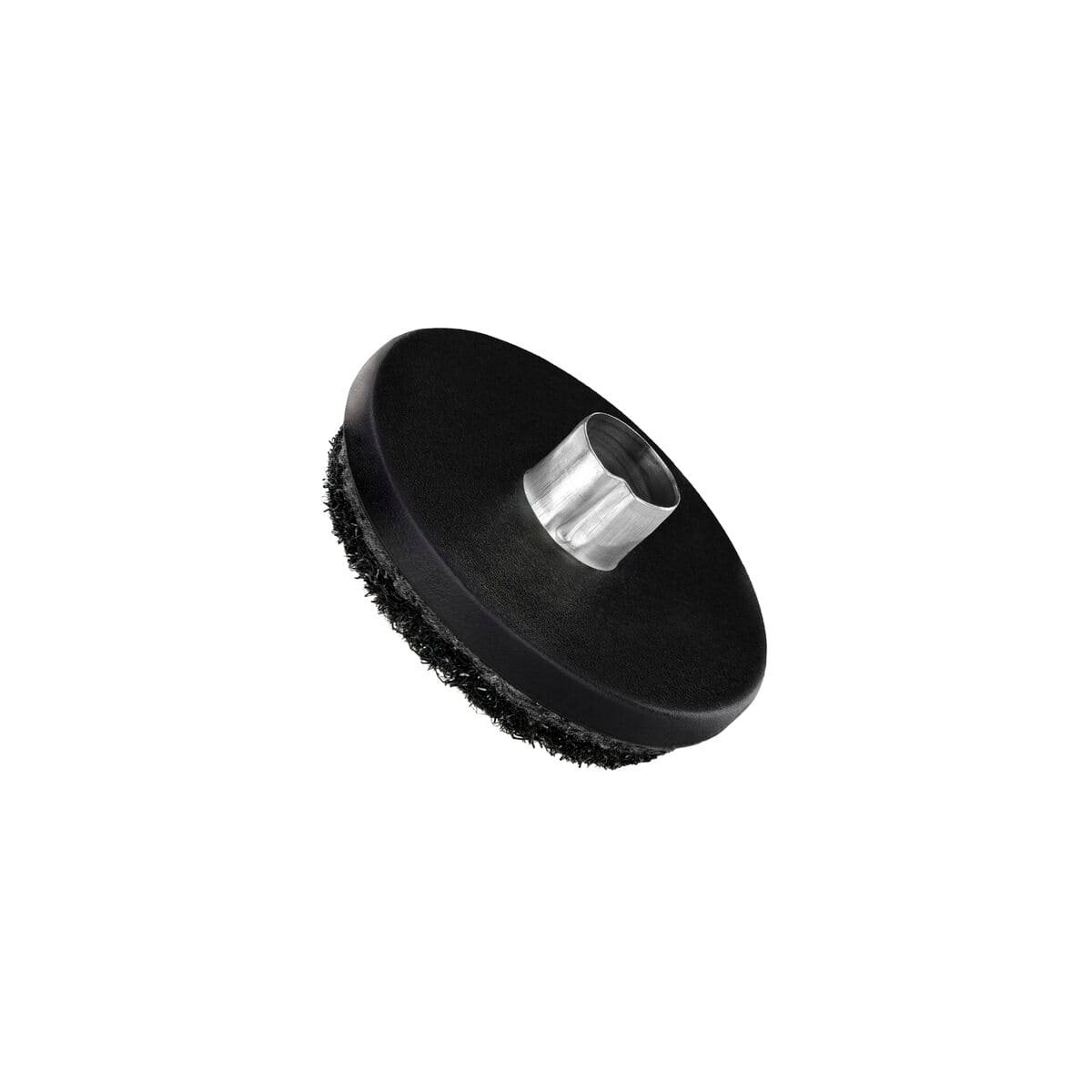 Round Nail-On Furniture Glides
$1.20 – $4.84
$1.23
$1.32 – $6.61
$1.62 – $6.61
For business
Same glide, by the hundred or the thousand. Free samples to check the fit, and a written quote for the project.

Reviews
There are no reviews yet