Ships nationwide · In-stock and made-to-order sizes
Ships nationwide · In-stock and made-to-order sizes
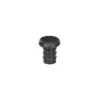
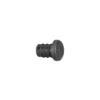
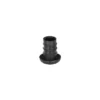
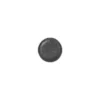

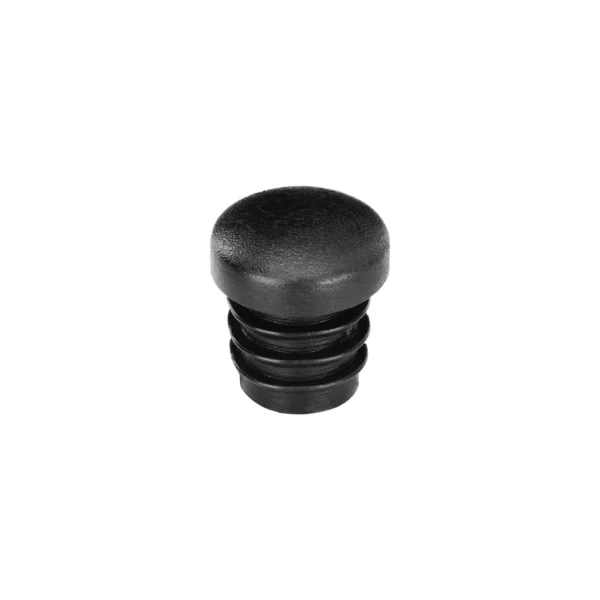
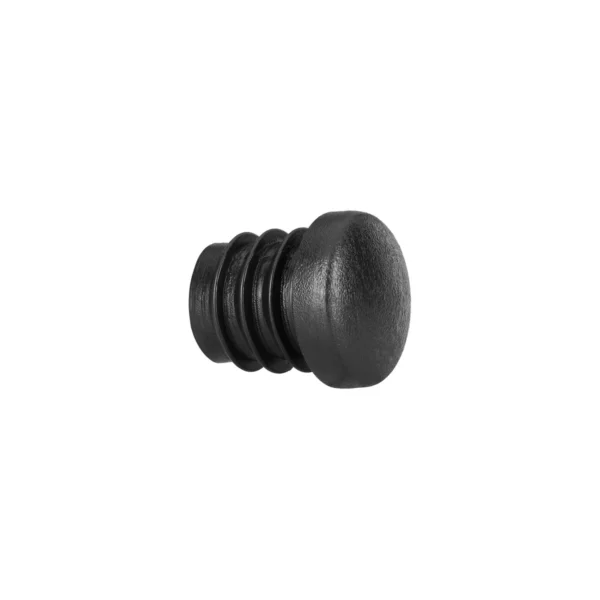
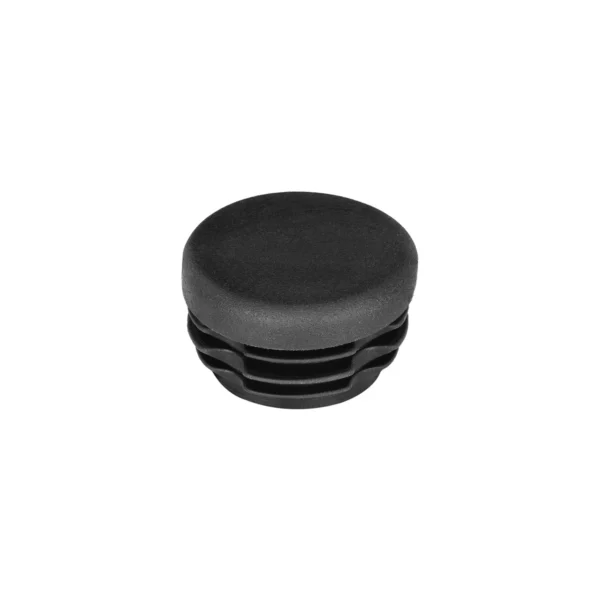
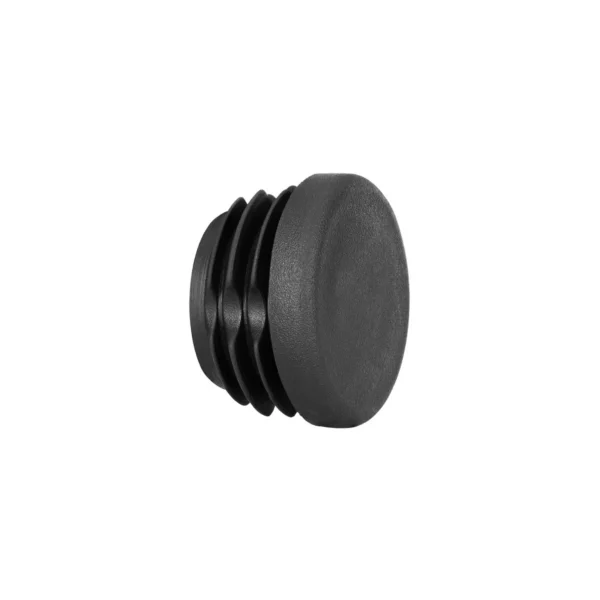
An open round tube end catches dirt, scrapes floors with its sharp metal rim, and rattles. This press-fit plug seals it, its flexible PE ribs adapting to different wall thicknesses for a firm friction fit. For chair legs, shelving, racking, and any hollow round tube. Black, gray, and white. No glue, screws, or tools.
We list a limited range here, and some listed sizes are made to order in production runs. Tell us the size you need and roughly how many, and we will confirm availability and pricing by email. When enough people ask for a size, we run it, and the people who asked hear first.
Buying in volume? See business pricing & samples ↓
In more detail
Open tube ends on metal furniture scratch floors, collect moisture, rattle with every movement, and look unfinished. Round tube plugs press inside hollow round tubing to seal the end, silence the rattle, protect floors from sharp metal edges, and give legs a clean finished appearance. Polyethylene (PE) construction with flexible internal ribs that adapt to different wall thicknesses for a secure friction fit. No glue, no screws, no tools. Also referred to as tube plugs for chair legs, round end plugs for metal tubing, or furniture leg plugs round.
from Ø 10 mm to Ø 80 mm, with multiple wall thickness options per diameter. Black, gray, and white. The flat head sits flush with the tube end for a low-profile finish.
Two measurements determine the correct plug: the tube's outside diameter (OD) and the wall thickness. Getting either one wrong means the plug will not fit. Too large and it will not enter the tube. Too small and it will not grip. Round tube plugs are sized to match the OD of the tubing, not the inside diameter.
Step 1. Measure the outside diameter (OD)
Use calipers or a ruler across the widest point of the tube opening. Measure outside edge to outside edge, not the inside. This is the OD that determines which round tube plug you need.
Step 2. Measure the wall thickness
Use calipers to measure the thickness of the tube wall at the open end. Or measure the OD and the inside diameter (ID), then calculate: wall thickness = (OD minus ID) / 2. The flexible ribs must match your wall thickness range for a proper grip.
Step 3. Match both measurements
Find the round tube plug that matches your OD and includes your wall thickness in its range. Both must match. A plug sized for Ø 25 mm / 1.5 to 2 mm wall will not grip properly in a Ø 25 mm tube with 3 mm walls.
Common mistake: measuring the inside diameter instead of the outside diameter. Round tube plugs press inside the tube, but they are sized by the OD because that number is printed on most tubing specifications and is easier to measure accurately. If you only have the ID, add twice the wall thickness to get the OD.
No tools required for most sizes. The flexible PE body compresses as it enters the tube, then the internal ribs expand against the inner tube wall to create a friction fit. Larger sizes or thick-walled tubes may benefit from a gentle tap with a rubber mallet. Installation takes seconds per leg.
What you need
Installation steps
Removal: pry gently from one edge with a flat-head screwdriver or push from the opposite end of the tube if accessible. The PE body flexes without breaking. Plugs can often be reinstalled if undamaged.
Open tube ends create multiple problems that a single plug addresses in one installation. Every unsealed hollow leg is a source of noise, floor damage, moisture entry, and visual clutter. The National Wood Flooring Association (NWFA) recommends protective measures on all furniture legs. Round tube plugs are the first step for any hollow metal leg on smooth, hard floors or carpet. Not recommended for rough hard floors like textured tile or stamped concrete, where the PE material wears quickly.
Floor protection
Bare metal tube edges are sharp, thin contact points that concentrate the furniture's full weight on a narrow ring. Every movement drags that sharp edge across the floor. Round tube plugs replace the sharp metal edge with a smooth, flat PE head that distributes load and eliminates scratching on hardwood, tile, laminate, vinyl, and concrete. For dedicated hard-floor protection beyond basic PE contact, apply a round self-adhesive furniture pad to the plug head, or choose the pad slot variant with a PA6 pad channel built in (pad sold separately).
Noise and vibration control
Hollow tubes amplify vibration and resonate with every bump, drag, and contact. The result is rattling, buzzing, and metallic noise that multiplies across a room full of metal furniture. Round tube plugs seal the tube end and dampen the resonance. The PE body absorbs contact vibration instead of transmitting it through the hollow cavity. In restaurants, classrooms, and conference rooms where dozens of metal chairs move simultaneously, the difference is immediate and significant.
Moisture and debris sealing
Open tubes collect moisture during floor cleaning, condensation in humid environments, and debris from daily use. Trapped moisture causes internal corrosion on steel tubing that weakens the structure from the inside out. Round tube plugs seal the opening and prevent moisture, dirt, and insects from entering the tube interior. In coastal, tropical, or high-humidity environments, this protection is especially important for steel-framed furniture.
Finished appearance
An open tube end looks unfinished. On retail fixtures, display furniture, restaurant seating, and any customer-facing application, exposed tube ends signal incomplete manufacturing. Round tube plugs give every leg a clean, professional endpoint. Available in black, gray, and white to match the frame finish or contrast for a design accent.
✓ Common applications for these plugs
✗ Not the right product for
All round tube plugs use the same internal ribbed PE body. The difference is the head profile, which determines appearance, floor contact, and specialized function.
Flat Head (Standard) ← You are here.
Flush, low-profile finish. The most common choice for general-purpose furniture and fixtures. Flat PE surface contacts the floor.
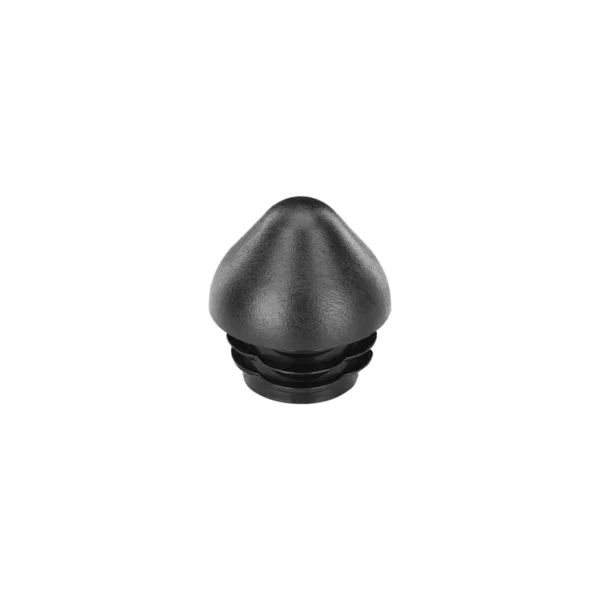
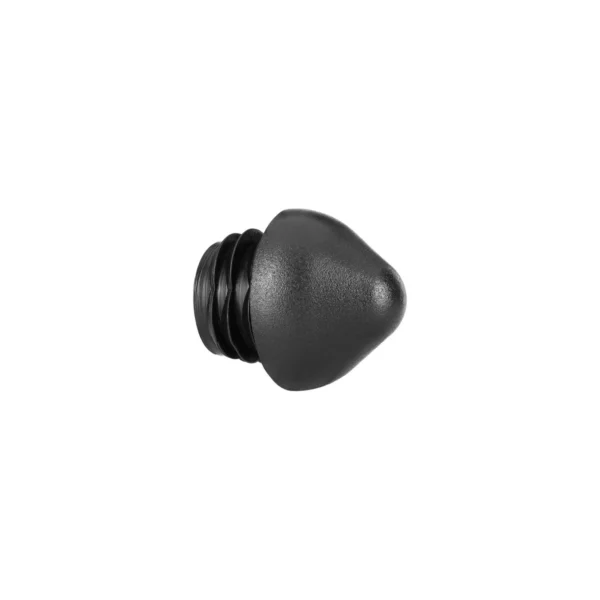
Conical Head
Tapered head for a contoured, slightly raised appearance on visible tube ends.
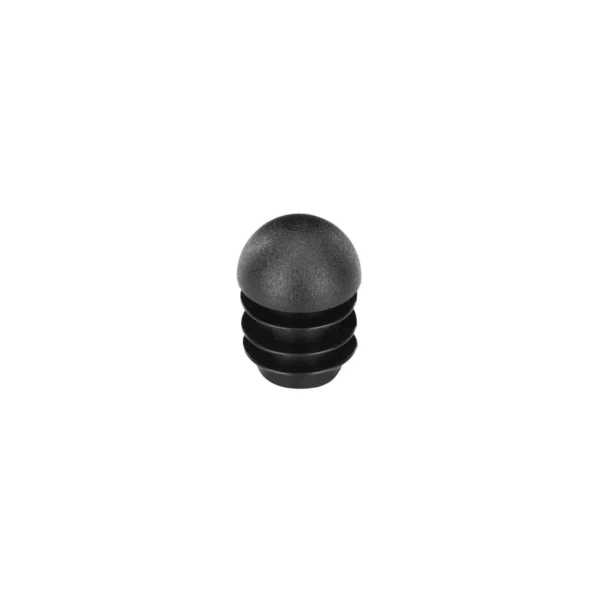
Domed Head
Rounded dome for decorative applications and non-floor-contact ends.
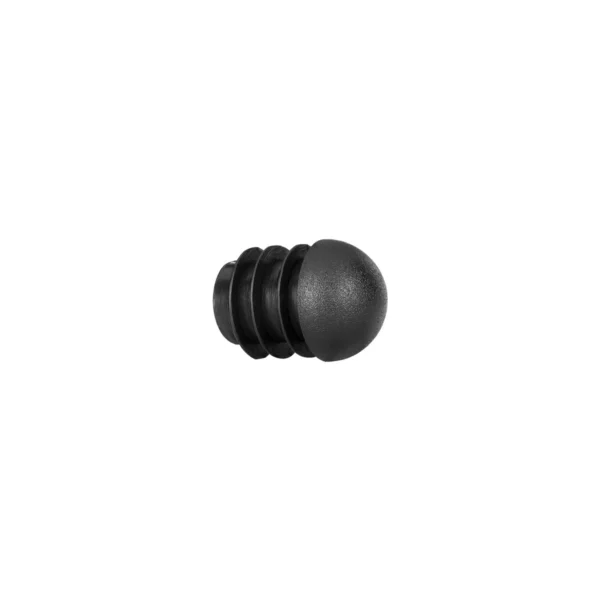
Half-Sphere Head
Full hemisphere for maximum decorative effect on exposed frame ends.
Anti-Slip (TPE)
Rubber TPE head that grips smooth floors. Prevents sliding on hardwood, tile, and vinyl.
Pad Slot
Recessed channel accepts a PA6 pad (sold separately) for hard-floor scratch protection.
Angled
Angled head for splayed or tilted legs. Base sits flat on the floor at an angle.
Measure the widest point of the flat base of the leg, then choose the size on that row. The glide should sit flush with the leg or just inside it, never wider.
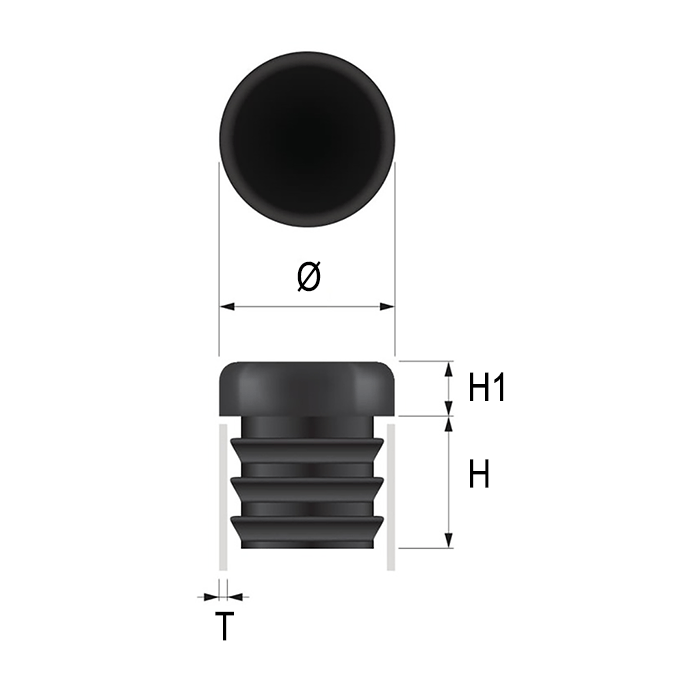
| Tube Ø (Ø) | Shank (H) | Head (H1) | Tube Wall (T) |
|---|---|---|---|
| 10 mm (0.39″) | 6 mm (0.24″) | 3.2 mm (0.13″) | 1 to 1.5 mm (0.04″ to 0.06″) |
| 10 mm (0.39″) | 6 mm (0.24″) | 3.2 mm (0.13″) | 1.5 to 2 mm (0.06″ to 0.08″) |
| 13 mm (0.51″) | 12 mm (0.47″) | 3 mm (0.12″) | 1.5 to 2 mm (0.06″ to 0.08″) |
| 13 mm (0.51″) | 12 mm (0.47″) | 3 mm (0.12″) | 1 to 1.5 mm (0.04″ to 0.06″) |
| 16 mm (0.63″) | 12 mm (0.47″) | 5 mm (0.20″) | 1 to 1.5 mm (0.04″ to 0.06″) |
| 16 mm (0.63″) | 13 mm (0.51″) | 3 mm (0.12″) | 2 to 2.5 mm (0.08″ to 0.10″) |
| 17.2 mm (0.68″) | 12 mm (0.47″) | 5 mm (0.20″) | 2 to 2.5 mm (0.08″ to 0.10″) |
| 18 mm (0.71″) | 12 mm (0.47″) | 5 mm (0.20″) | 1.5 to 2 mm (0.06″ to 0.08″) |
| 20 mm (0.79″) | 12 mm (0.47″) | 5 mm (0.20″) | 1 to 1.5 mm (0.04″ to 0.06″) |
| 20 mm (0.79″) | 12 mm (0.47″) | 5 mm (0.20″) | 1.5 to 2.5 mm (0.06″ to 0.10″) |
| 22 mm (0.87″) | 12 mm (0.47″) | 5 mm (0.20″) | 1.5 to 2 mm (0.06″ to 0.08″) |
| 22 mm (0.87″) | 12 mm (0.47″) | 5 mm (0.20″) | 2 to 2.5 mm (0.08″ to 0.10″) |
| 22 mm (0.87″) | 12 mm (0.47″) | 5 mm (0.20″) | 2.5 to 3 mm (0.10″ to 0.12″) |
| 25 mm (0.98″) | 12 mm (0.47″) | 5 mm (0.20″) | 1.5 to 2 mm (0.06″ to 0.08″) |
| 27 mm (1.06″) | 12 mm (0.47″) | 5 mm (0.20″) | 2.5 to 3 mm (0.10″ to 0.12″) |
| 28 mm (1.10″) | 12 mm (0.47″) | 5 mm (0.20″) | 1 to 2 mm (0.04″ to 0.08″) |
| 30 mm (1.18″) | 12 mm (0.47″) | 5 mm (0.20″) | 1.5 to 2 mm (0.06″ to 0.08″) |
| 32 mm (1.26″) | 12 mm (0.47″) | 5 mm (0.20″) | 1.5 to 2 mm (0.06″ to 0.08″) |
| 33.7 mm (1.33″) | 12 mm (0.47″) | 5 mm (0.20″) | 3 to 4 mm (0.12″ to 0.16″) |
| 33.7 mm (1.33″) | 12 mm (0.47″) | 5 mm (0.20″) | 1.5 to 2 mm (0.06″ to 0.08″) |
| 35 mm (1.38″) | 12 mm (0.47″) | 5 mm (0.20″) | 1 to 2 mm (0.04″ to 0.08″) |
| 38 mm (1.50″) | 12 mm (0.47″) | 5 mm (0.20″) | 1 to 2 mm (0.04″ to 0.08″) |
| 40 mm (1.57″) | 12 mm (0.47″) | 5 mm (0.20″) | 1.5 to 2.5 mm (0.06″ to 0.10″) |
| 42 mm (1.65″) | 12 mm (0.47″) | 5 mm (0.20″) | 2.5 to 3.5 mm (0.10″ to 0.14″) |
| 42 mm (1.65″) | 12 mm (0.47″) | 5 mm (0.20″) | 1.5 to 2.5 mm (0.06″ to 0.10″) |
| 42 mm (1.65″) | 12 mm (0.47″) | 5 mm (0.20″) | 1 to 2 mm (0.04″ to 0.08″) |
| 45 mm (1.77″) | 14 mm (0.55″) | 5 mm (0.20″) | 1.5 to 2.5 mm (0.06″ to 0.10″) |
| 48.3 mm (1.90″) | 14 mm (0.55″) | 5 mm (0.20″) | 1 to 2 mm (0.04″ to 0.08″) |
| 50 mm (1.97″) | 14 mm (0.55″) | 5 mm (0.20″) | 1.5 to 2 mm (0.06″ to 0.08″) |
| 50 mm (1.97″) | 14 mm (0.55″) | 5 mm (0.20″) | 3 to 4 mm (0.12″ to 0.16″) |
| 60 mm (2.36″) | 14 mm (0.55″) | 5 mm (0.20″) | 1.5 to 2 mm (0.06″ to 0.08″) |
| 60 mm (2.36″) | 14 mm (0.55″) | 5 mm (0.20″) | 1.5 to 2.5 mm (0.06″ to 0.10″) |
| 60.3 mm (2.37″) | 14 mm (0.55″) | 5 mm (0.20″) | 1.5 to 2.5 mm (0.06″ to 0.10″) |
| 63 mm (2.48″) | 14 mm (0.55″) | 5 mm (0.20″) | 1.5 to 2.5 mm (0.06″ to 0.10″) |
| 70 mm (2.76″) | 14 mm (0.55″) | 5 mm (0.20″) | 1.5 to 2 mm (0.06″ to 0.08″) |
| 77 mm (3.03″) | 14 mm (0.55″) | 5 mm (0.20″) | 2.5 to 3.5 mm (0.10″ to 0.14″) |
| 80 mm (3.15″) | 14 mm (0.55″) | 5 mm (0.20″) | 1.5 to 2 mm (0.06″ to 0.08″) |
Tube wall thickness is a fit requirement, not a tolerance.
| Specification | Detail |
|---|---|
| Material | Polyethylene, a tough low-friction plastic |
| Sizes | 26 sizes, 10 to 80 mm |
| Mounting | Pushes into the tube, held by ribs |
| Colors | Black, Gray, White |
| Floor compatibility | Hollow tube legs |
Round end caps slip over the outside of the tube and are visible from the side. Round tube plugs press inside the tube and sit flush with the end, invisible from the side. Choose plugs when you want a clean, low-profile finish that does not change the tube’s outer dimensions. Choose end caps when the tube interior is not accessible or when you prefer an external profile.
Yes. The flexible PE ribs create a mechanical friction fit against the inner tube wall. The grip holds under vibration, lateral movement, and repeated dragging. If a plug loosens over time in a high-use commercial environment, check that the tube end is clean and free of burrs, then re-press or replace. For scratch protection on tile and other smooth, hard floors, pair flat-head plugs with a round self-adhesive furniture pad applied to the plug head, or choose pad-slot round tube plugs, which have a PA6 pad channel built in. The pad is sold separately.
Yes. PE is UV-resistant, water-resistant, and chemically stable. It will not degrade, crack, or become brittle from sun or rain exposure under normal outdoor conditions. Round tube plugs seal the tube end against moisture entry, which also prevents internal corrosion on steel tubing exposed to weather.
Use round threaded inserts instead. Threaded inserts press into the tube the same way, but include a metal nut (M6, M8, M10, or M12) that accepts adjustable leveling feet. If you just need a sealed, finished end with no height adjustment, round tube plugs are simpler and more cost-effective.
No. Standard round tube plugs have a flat PE head only. For integrated floor protection on smooth, hard floors, use round tube plugs with pad slot, which accept a PA6 pad insert in the recessed head channel. For an anti-slip grip on smooth floors, use anti-slip TPE round tube plugs.
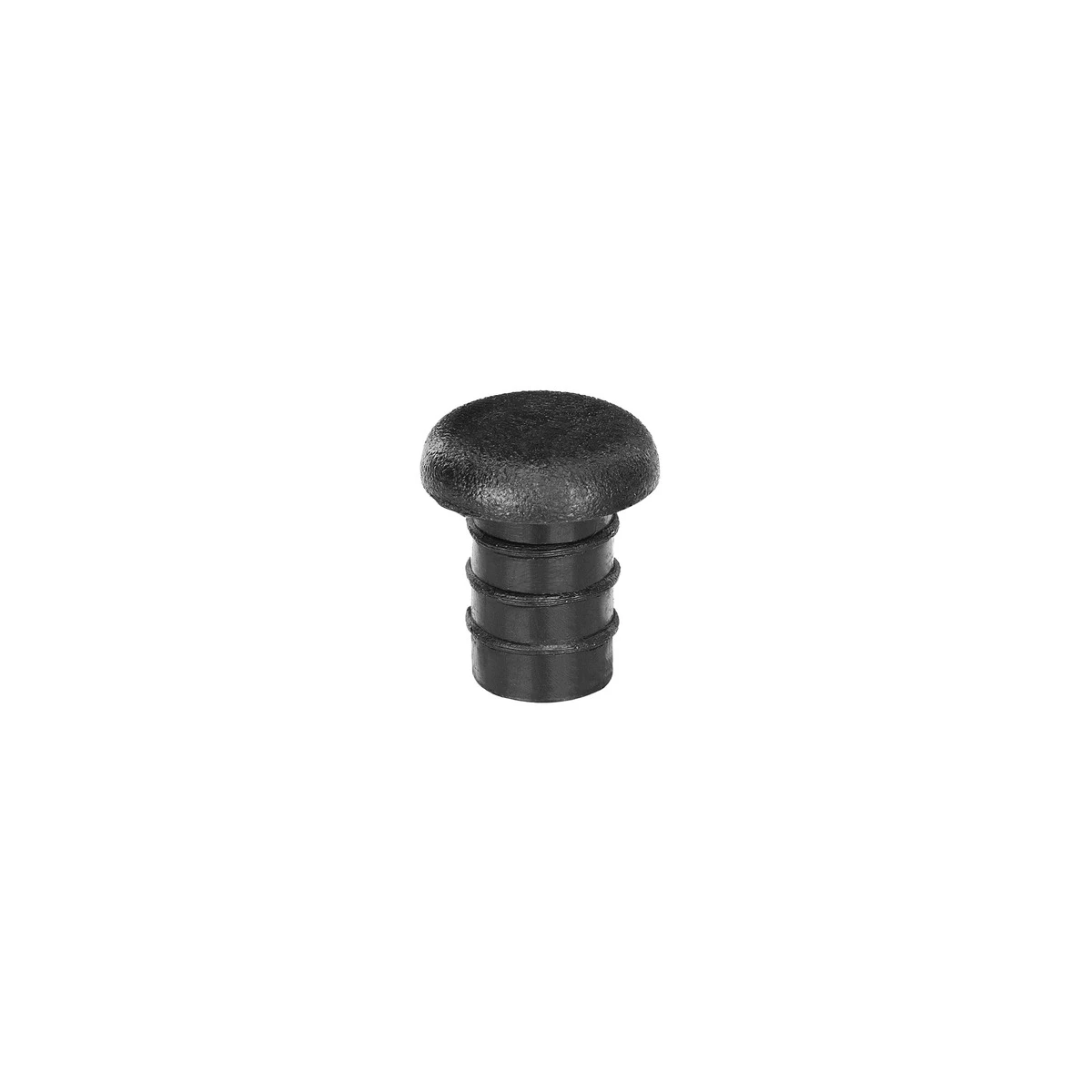 Round Tube Plugs
For business
Same glide, by the hundred or the thousand. Volume pricing, free samples to check the fit, and a written quote for the project.

Reviews
There are no reviews yet