Ships nationwide · In-stock and made-to-order sizes
Ships nationwide · In-stock and made-to-order sizes
Dining chairs, stools and lounge pieces on a boat need two things at once: to move when a person moves them, and to stay exactly where they were set when the vessel does. Anti-slip glides give the leg a grippy rubber face for the second job without giving up the first.
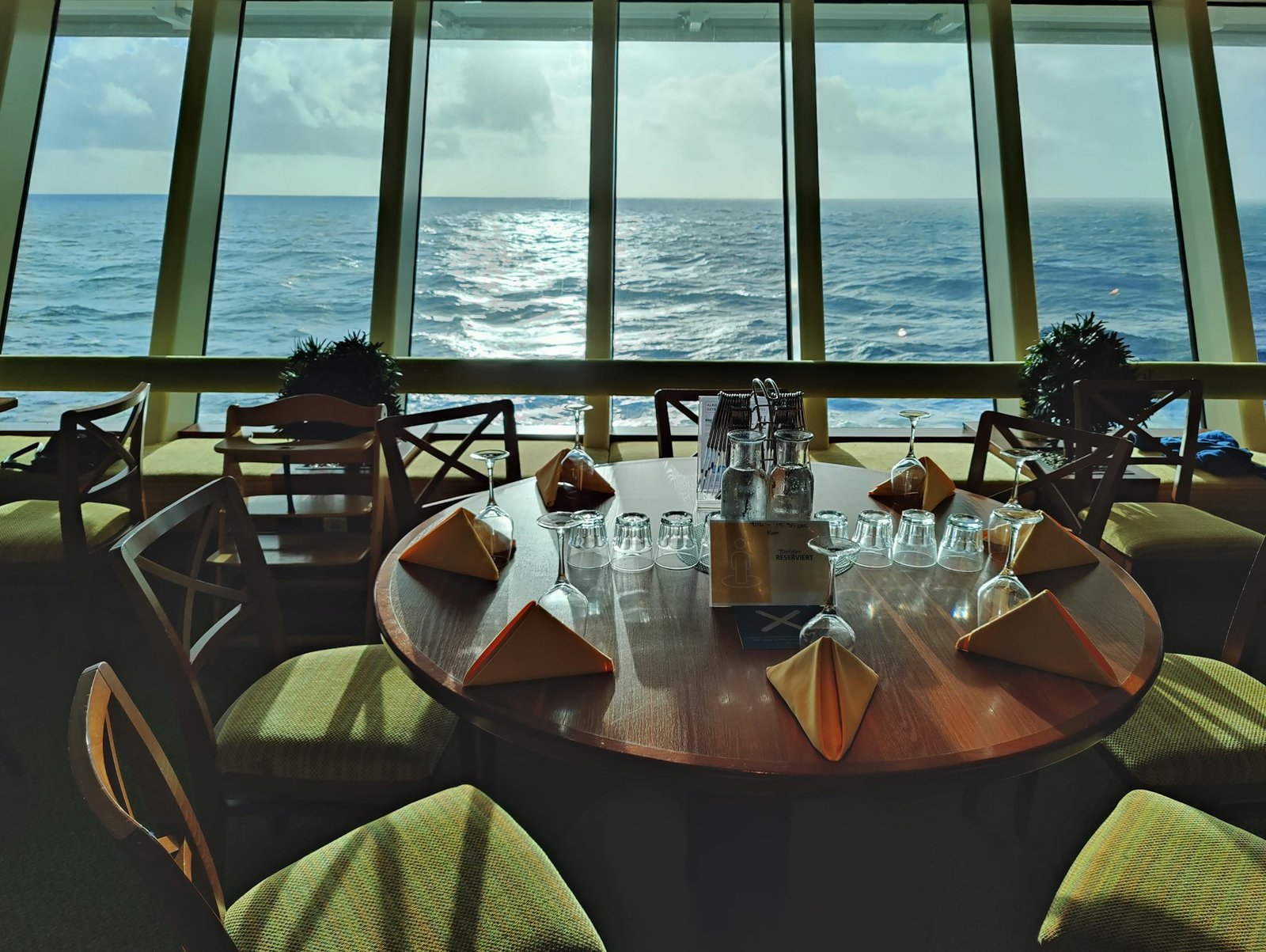
The problem
Engine vibration and a slight heel move a chair on a hard face a little at a time. A rubber-faced anti-slip glide holds position without tipping when someone sits.
Teak, veneer and vinyl soles show every drag. A sized glide keeps the leg edge off the surface; the face takes the contact instead of the wood.
Salt air and cleaning cycles are hard on cheap adhesive. Nail-on glides use a tubular rivet in solid wood; self-adhesive glides use an extra-high-bond acrylic foam. Tell us the environment and we recommend the mounting.
What goes where
Anti-slip faces are natural and chloroprene rubber; they are for hard decks and soles, not for carpet.
Anti-slip nail-on glides for solid wood legs; anti-slip self-adhesive glides for metal or composite legs. Round, square and rectangular, sized to the leg base.
The pieces that move most and must stay put most. Anti-slip faces with the mounting matched to the leg material.
Leveling feet with a thermoplastic elastomer pad for tables that must sit true on a sole that is not perfectly flat.
Tube plugs with a floor-contact face for steel and aluminum legs, sized to the tube.
How we approach it
Marine interiors vary more than any building: teak soles, lacquered veneer, rubber decking, vinyl in crew areas, carpet in cabins. Before recommending anything we want to know the surface, the leg material, how the piece is used, and whether it lives inside or in a covered exterior space.
From that we come back with a written recommendation: face material, mounting, size, and where an anti-slip face is the right call versus a standard glide. Samples go out so the yard or the interiors team can check the part on the actual sole before a fleet order.
Photographs of marine installations are still being gathered; the case studies on the business pages are from hospitality projects and the mechanism is the same.
How buying works
Sole or deck material, leg material, a rough count, and where on the vessel. A photo of a leg with a ruler beside it saves a round of email.
Once we know those things. Face, mounting, size and surface compatibility in writing.
The quote says which sizes are in stock and which are made to order, with the ship date in writing.
Reply to the quote and we set the order up by email, the way your yard or operator normally buys.
Straight answers
Tell us where the furniture lives. Covered exterior spaces and interiors are the usual fit; for open decks we look at the sole and the exposure with you before recommending a face or a mounting.
That is a common route. The sole, the leg and the environment first, then samples of the parts we recommend, then one saloon or dining area, then the vessel.
Tell us the window and the quote states the ship date in writing. Sizes marked In stock ship nationwide; larger quantities in other sizes are produced in a run for the date.
Either. Quote in the name that buys, ship to the yard or the port, and keep the spec on file for the next refit.
Ready when you are
One photo of the leg on the surface it stands on is enough to start.
