Hospitality-grade floor protection · Sizing help before you order · 90-day limited warrantySizing help before you order · 90-day warranty
Hospitality-grade floor protection · Sizing help before you order · 90-day limited warrantySizing help before you order · 90-day warranty
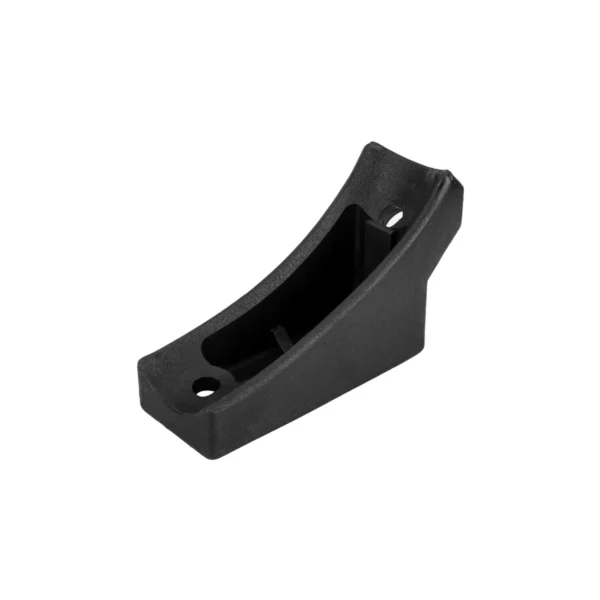
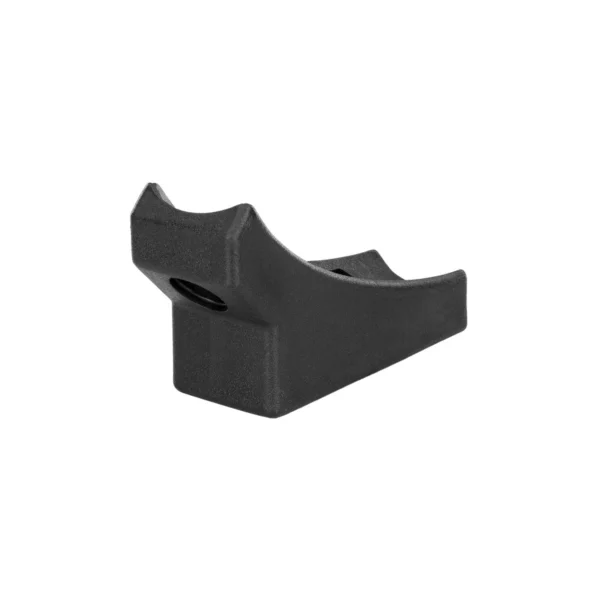
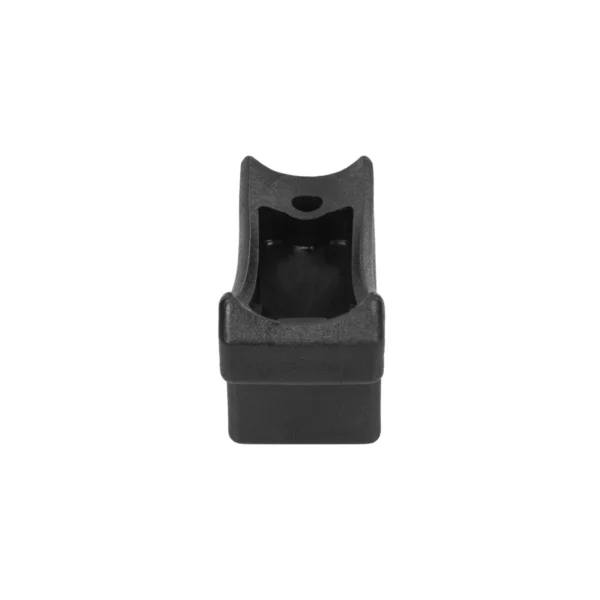
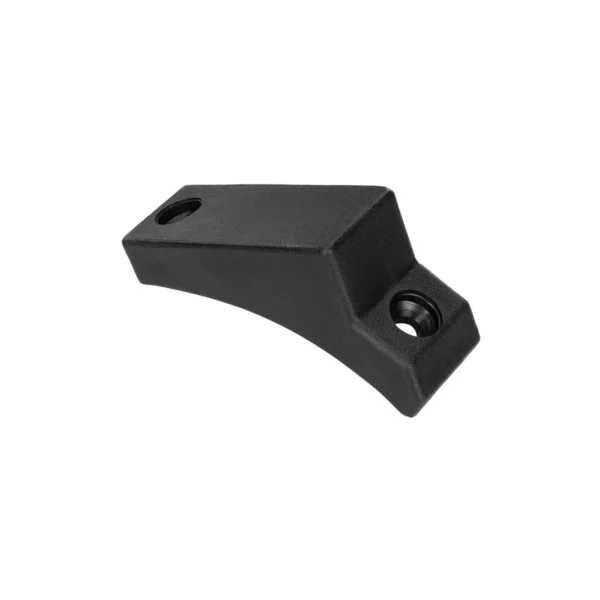
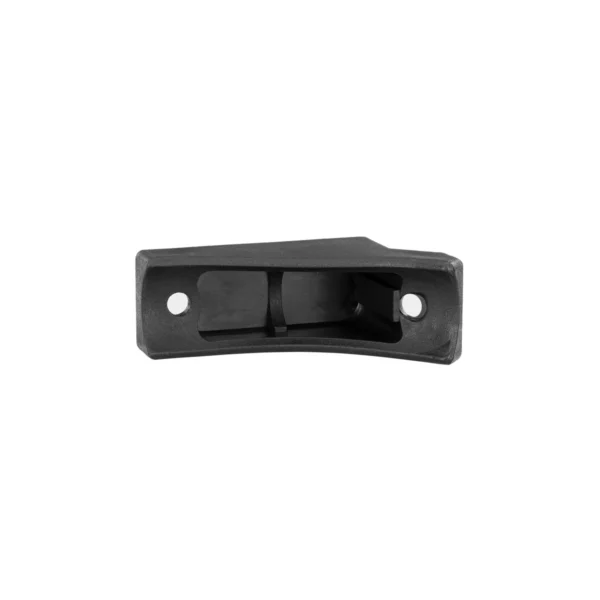
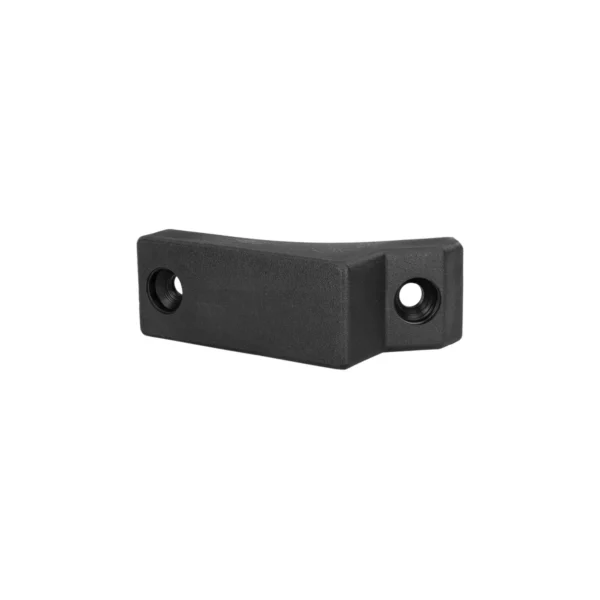
On sled-frame furniture, the leg touches down right where the runner bends up into the riser. This glide mounts to that curve on Ø 25 mm round tube, its extended base spanning the bend so the load sits flat. Two screws, flat PA floor face. Sold in packs of 4.
Buying in volume? See business pricing & samples ↓
Sled base furniture has a critical floor contact point that mid-runner glides cannot reach: the bend where the horizontal runner curves upward into the vertical riser. At this bend, the bare metal tube contacts the floor at a concentrated point, scratching the surface and bearing a disproportionate share of the chair’s weight. Corner sled base glides mount at this bend with an extended 72 mm rectangular base that spans the curve and provides stable floor contact across the entire transition zone. Two-screw design for Ø 25 mm round tube sled frames.
PA (polyamide) corner mount saddle glide for Ø 25 mm round tube sled runners. Corner sled base glides rectangular base provide floor protection at the runner-to-riser bend where mid-runner glides cannot fit. L = 72 mm. W = 25 mm. H = 39 mm. Base H = 7.5 mm. Two screws (Ø 5.7 mm, spacing 53 mm, countersink Ø 10 mm). Flat PA contact. Black. 15.8 g. Sold in packs of 4, adjustable in steps of 2 at checkout.
A sled base frame has three distinct zones that need floor protection: the straight runner sections, the bends, and (on some designs) the open tube ends. Mid-runner glides like the rectangular base and square base cover the straight sections. Corner sled base glides cover the bends.
At the bend, the tube curves from horizontal to vertical. A standard mid-runner glide with a flat saddle cannot cradle a curved section of tube. The corner glide’s saddle is positioned at the curve apex (offset 39 mm from the base end), and the extended base provides floor contact on both sides of the bend. Without corner sled base glides, the bend contacts the floor directly, creating a small, high-pressure contact point that scratches and dents the floor surface.
The 72 mm base extends from the straight runner section across the bend and toward the riser. This extended footprint distributes the chair’s weight across a large floor contact area at the transition point. The two screws (spaced 53 mm apart) lock the glide to the tube on both sides of the bend, preventing any movement or rotation. Corner mount sled base glides rectangular that bridge the gap between the straight runner and the vertical riser.
This corner glide uses a Ø 25 mm saddle, two-screw mount at 53 mm spacing, flat PA floor contact (no pad slot), and a 72 mm extended rectangular base. The saddle is offset at 39 mm from one end of the base, positioning it at the bend apex.
The other two corner glides serve different tube sizes (Ø 20 and Ø 28) with different configurations. The corner single screw (Ø 20) has a single screw and flat base. The corner pad slot (Ø 28) has two screws with pad slot and is the heaviest sled base glide at 41.6 g. This two-screw flat PA corner glide is the standard corner specification for Ø 25 mm frames.
Corner sled base glides install at the bend where the runner meets the riser. The saddle cradles the tube at the curve apex, and the two screws secure the glide to the tube on both sides of the bend.
A complete sled base glide installation covers both the straight sections and the bends. Corner sled base glides do not replace mid-runner glides. They supplement them by covering the zone that mid-runner glides cannot reach.
A standard sled chair with 2 runners and 2 bends (one per runner) needs: 4 to 8 mid-runner glides (2 to 4 per runner along the straight sections) plus 2 corner sled base glides (1 per bend). Some chairs have 4 bends (front and rear on each runner), requiring 4 corner glides. Count the bends on your specific furniture to determine the corner glide quantity.
This corner glide fits Ø 25 mm tubes. Pair it with square base mid-runner glides (Ø 25) on the straight sections. Both use Ø 25 mm saddles, so the tube fit is consistent across all glide positions on the same runner. Using mismatched tube sizes between corner glides and mid-runner glides on the same chair creates uneven floor contact heights that cause wobbling.
The bend on a sled base frame is where the horizontal runner tube curves upward to become the vertical riser that supports the seat. This bend is typically a smooth radius formed during tube bending, not a welded joint. The bend radius varies by furniture manufacturer and furniture model, but the tube diameter stays constant through the curve. The wall thickness of the tube also remains unchanged through the bend.
Corner sled base glides are sled base glides for the runner bend where straight-saddle mid-runner glides cannot mount. The saddle on a mid-runner glide is designed for a straight tube section. At the bend, the tube curves away from the saddle, creating a gap that prevents a secure fit. The corner glide’s saddle is positioned at the curve apex, and the extended base compensates for the angle change by providing floor contact across the full transition zone from horizontal to vertical.
The bend is often the single most damaging floor contact point on a sled base chair. When the occupant leans back, weight shifts toward the rear of the runner, concentrating load at the rear bend. The bare metal tube at this point creates a small, high-pressure contact area that can dent hardwood, crack luxury vinyl, and score polished concrete.
Corner sled base glides distribute this concentrated load across the 72 mm extended base. The PA surface replaces the metal-to-floor contact with smooth, non-scratching PA material across approximately 1,440 mm² of floor contact area (72 × 20 mm estimated base footprint). This is over 10 times more contact area than the bare tube bend provides. On hardwood floors where the NWFA recommends protective contact, the corner glide provides that protection at the most critical point.
For furniture manufacturers, corner sled base glides should be included in the bill of materials alongside mid-runner glides. A complete sled chair glide specification for Ø 25 mm frames includes: square base mid-runner glides (quantity per the number of straight-section positions) plus corner sled base glides (quantity per the number of bends, typically 2 or 4 per chair).
For facility managers retrofitting existing chairs, order corner sled base glides based on the number of bends across the entire chair fleet. A facility with 100 sled chairs with 2 bends each needs 200 corner glides. Include replacement stock in the initial order so worn corner glides can be swapped during routine maintenance without a separate procurement cycle. For production quantities, visit Business Solutions.
PA (polyamide) body throughout. The same engineering polymer used in all sled base glides, furniture glides, leveling feet, and tube plugs across the entire catalog. PA provides the combination of tensile strength, abrasion resistance, impact resistance, and low friction that these glides glides need at the high-stress bend position. The 7.5 mm wall thickness on this corner design is thicker than mid-runner glides (5-6 mm) to handle the concentrated load at the bend.
Count the bends on each runner of your sled chair. Each bend that contacts the floor needs one these glides glide. Most sled chairs have 2 bends (rear bend on each of the two runners). Some designs have 4 bends (front and rear on each runner). Check the underside of your specific chair to count the floor-contact bends.
Corner sled base glides come in packs of 4, adjustable in steps of 2 at checkout. Order 2 per standard sled chair (one per runner bend). Order 4 per chair if both front and rear bends contact the floor. For a fleet of chairs, multiply the per-chair count by the number of chairs, then add a 10% spare stock for replacements.
Floor protection and weight distribution at the runner bend. The National Wood Flooring Association (NWFA) recommends protective contact surfaces on all furniture contact points, and the runner bend is often the most damaging contact point on a sled base chair because it concentrates weight on a small area if left unprotected.
The bend is where the most floor damage occurs on unprotected sled furniture. The curved tube creates a small, concentrated contact point that bears a significant portion of the chair’s weight (especially when the occupant leans back, shifting weight toward the rear bend). Corner sled base glides spread this concentrated load across the 72 mm extended base, reducing pressure on the floor by distributing weight over approximately 10 times more contact area than the bare tube provides.
Mid-runner glides alone leave the bends unprotected. On hardwood, luxury vinyl, and polished floors, even one unprotected bend can create visible scratches and dents within days. Adding these glides glides to a chair that already has mid-runner glides eliminates the last unprotected contact point. Unlike leaving any contact point unprotected, a complete glide system covers every point where metal meets floor. Cantilever chair corner glides that close the gap in the floor protection system.
Corner sled base glides are tube-diameter specific. This product fits Ø 25 mm round tubes. Measure the outside diameter of the runner tube at the bend to confirm. The tube diameter at the bend is the same as the straight section (the tube is bent, not joined).
If the tube is Ø 20 mm, the corner glide option is corner single screw (Ø 20). If Ø 28 mm, the corner option is corner single screw (Ø 20). If the bend radius on your furniture is unusually tight or wide, test-fit the glide before committing to a full order. The saddle should cradle the tube at the curve without the base lifting off the floor at either end.
Conference rooms, training centers, schools, hospitals, and offices with Ø 25 mm sled chairs on finished floors. Corner sled base glides are often ordered alongside square base mid-runner glides as part of a complete sled chair glide kit. In commercial environments where sled chairs are specified with both mid-runner and corner glides as standard equipment, the corner glide is included in the per-chair glide count from the initial furniture purchase. Facilities that discover bend damage after installation can retrofit these glides glides onto existing chairs without modifying or removing the mid-runner glides already in place. The corner glide simply adds to the existing glide installation at each bend position. Available in bulk. For commercial pricing, visit Business Solutions.
Existing sled chairs that have mid-runner glides but no corner glides can be retrofitted by adding these glides glides at each bend. This is common when a facility discovers that the bends are damaging the floor despite the mid-runner glides being in good condition. The floor damage pattern is distinctive: scratch marks or dents in an arc shape at each runner bend location, while the straight sections between mid-runner glides show no damage.
Adding corner sled base glides closes this protection gap without replacing or modifying the existing mid-runner glides. The retrofit takes minutes per chair with a screwdriver and two screws per bend. For chairs with self-adhesive pads on other furniture in the same room, corner glides provide the same PA floor protection consistency on the sled chairs that the pads provide on standard-leg furniture.
Inspect these glides glides rectangular base for wear periodically. The corner position often wears faster than mid-runner positions because it bears more weight when occupants lean back, concentrating load at the rear bend. On heavily used chairs in commercial environments, check every 6 to 12 months. Look for thinning of the PA base at the saddle area (the highest-pressure zone directly under the tube curve). Check both screws for tightness, as the bend position subjects the screws to more shear force than the straight-section positions on mid-runner glides.
Corner sled base glides come in packs of 4, adjustable in steps of 2 at checkout. Order the quantity that matches the number of bends on your furniture. A standard sled chair with 2 bends needs 2 corner glides. Chairs with 4 bends (front and rear on each runner) need 4 corner glides. For a fleet of chairs, multiply the per-chair count by the total number of chairs, then add a 10% spare stock for replacements during the first maintenance cycle. Keep corner glide spares alongside your mid-runner glide spares so both can be inspected and replaced during the same maintenance visit.
| Hole Ø (Ø) | Hole Ø (Ø1) | Fits Tube (Ø2) | Fits Tube (W) | Fits Tube (L) | Hole Centre (L2) | Between Holes (L3) | Insert Depth (H) | Head Height (H1) |
|---|---|---|---|---|---|---|---|---|
| 5.7 mm (0.22″) | 10 mm (0.39″) | 25 mm (0.98″) | 25 mm (0.98″) | 72 mm (2.83″) | 8 mm (0.31″) | 53 mm (2.09″) | 39 mm (1.54″) | 7.5 mm (0.30″) |
Thread size must match the insert in your furniture leg.
| Specification | Detail |
|---|---|
| Material | Polyamide, a harder plastic that holds its shape under load |
| Sizes | 1 size |
| Hole diameter (Ø) | 5.7 mm (0.22″) |
| Hole diameter (Ø1) | 10 mm (0.39″) |
| Tube diameter (Ø2) | 25 mm (0.98″) |
| Width (W) | 25 mm (0.98″) |
| Length (L) | 72 mm (2.83″) |
| Hole centre (L2) | 8 mm (0.31″) |
| Centre between holes (L3) | 53 mm (2.09″) |
| Height (H) | 39 mm (1.54″) |
| Head height (H1) | 7.5 mm (0.30″) |
| Mounting | Fits the sled frame |
| Colours | RAL 9005 |
| Floor compatibility | Smooth hard floors |
| Pack quantity | Packs of 4, adjustable in steps of 2 at checkout |
A corner sled base glide mounts at the bend where the horizontal runner tube curves upward into the vertical riser. This bend creates a gap where mid-runner glides cannot reach. The corner glide’s extended base spans this gap, providing floor contact and protection at the transition point. Without a corner glide, the bare metal bend contacts the floor, scratching it and concentrating weight on a small area.
The extended length spans from the straight section of the runner across the bend and partially up toward the riser. The saddle sits at an offset from one end, positioning it at the curve apex while the base extends in both directions to provide stable floor contact across the entire bend zone.
This corner glide is manufactured in black only. For most sled furniture with Ø 25 mm runners, the frame is black or dark-finished, and the corner glide sits underneath the bend where it is minimally visible. If a grey or custom color is needed, contact Business Solutions.
Yes. Mid-runner glides cover the straight sections. Corner glides cover the bends. A typical sled chair has 2 bends (left and right runner), so you need 2 corner glides per chair in addition to the mid-runner glides along each straight section. Some chairs have 4 bends (front and rear on each runner), requiring 4 corner glides.
Three corner glides serve different tube sizes. This one fits Ø 25 mm with two screws and flat PA. The single-screw version fits Ø 20 mm with one screw and flat PA. The pad slot version fits Ø 28 mm with two screws and a PA6 pad slot. Choose based on your tube diameter.
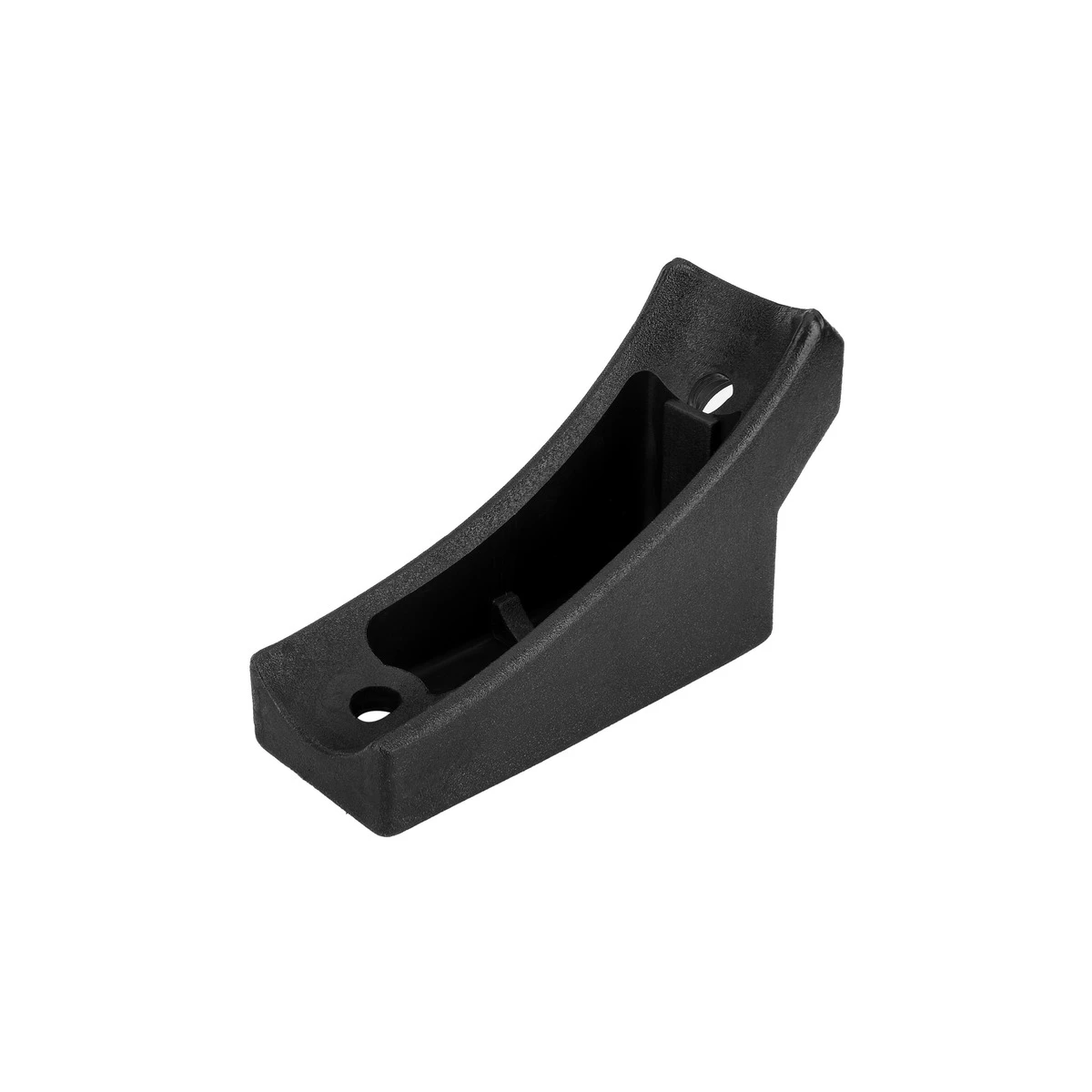 Round Tube Corner Sled Base Glides — Rectangular Base
Outfitting a hotel, restaurant, school, healthcare facility, or large furniture build? Superior Glide supports volume orders with bulk pricing tiers, free physical samples, and dedicated quote pricing for accounts placing larger orders.
Bulk pricing tiers, net terms for qualified buyers, and dedicated support for facility managers and procurement teams.
Hold the product, test the fit, check the finish. We ship samples free so you can evaluate before committing to a full order.
For orders above standard volume tiers, we’ll prepare a custom quote with consolidated shipping and your account’s tier pricing.

Reviews
There are no reviews yet