Trusted by world-class resorts and professionals — now available for your home.

Stainless Steel Square Threaded Inserts

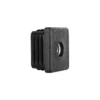
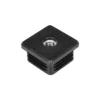
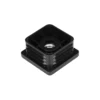
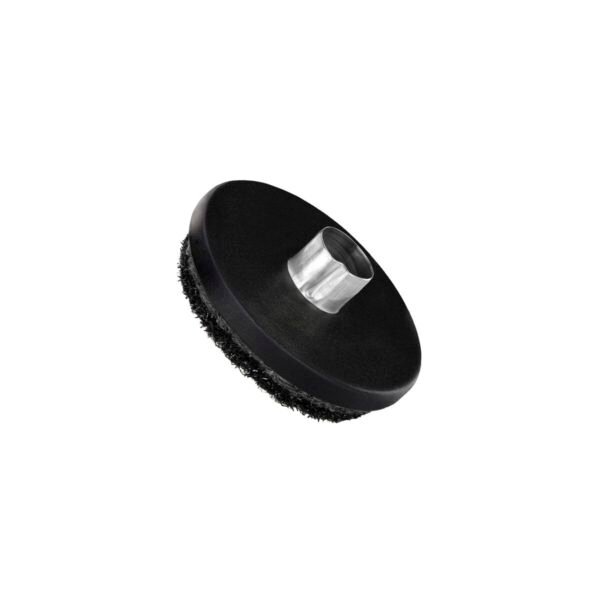
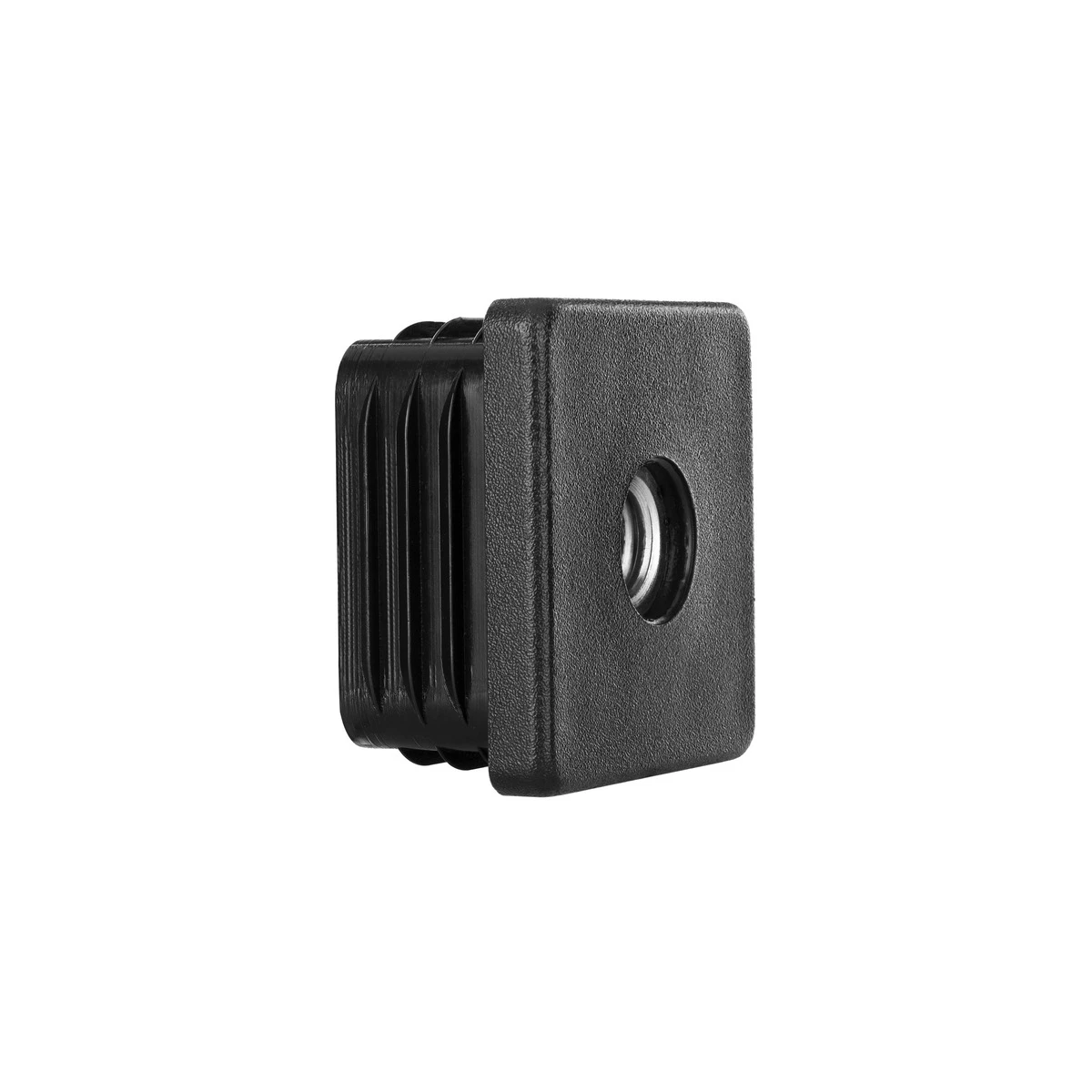
Stainless steel square threaded inserts replace the standard zinc-plated nut with a stainless steel nut for environments where moisture, humidity, or chemicals would corrode standard zinc. Same PA body and press-fit installation as standard square threaded inserts. The stainless steel nut resists corrosion in kitchens, bathrooms, food service areas, laboratories, and any environment with regular moisture or chemical exposure. Corrosion resistant square threaded inserts for 30 × 30 and 40 × 40 mm square tube legs. M8 and M10 threads. Wall thickness 1 to 2 mm. Black and grey. Sold in multiples of 4.

$5.10$8.05

4 = 1 chair · 8 = 2 chairs · 24 = 6 chairs

Not sure what size? See the size chart ↓

📦 Sold in packs of 4 — quantity adjustable at checkout

Overview

Stainless Steel Square Threaded Inserts

Standard square threaded inserts use a zinc-plated steel nut. Zinc works well in dry indoor environments. But in kitchens, bathrooms, food service areas, laboratories, and any space where moisture, steam, or cleaning chemicals contact the furniture, zinc corrodes. The nut degrades, the threads roughen, and the leveling foot becomes difficult to adjust or seize entirely. Stainless steel square threaded inserts replace the zinc nut with stainless steel that resists the corrosion these environments create. Same PA body. Same press-fit installation. Same leveling foot compatibility. The only change is the nut material.

PA (polyamide) body for tube grip and load transfer. Stainless steel threaded nut for corrosion resistance. Stainless steel square threaded inserts are corrosion resistant square threaded inserts for hollow square furniture legs in wet, humid, or chemically active environments. 2 tube sizes: 30 × 30 and 40 × 40 mm. M8 and M10 threads. Wall thickness 1 to 2 mm. Black and grey. Sold in multiples of 4.

Available Sizes: 4 Stainless Steel Square Threaded Inserts

Stainless steel square threaded inserts are available in two tube sizes with two thread options each. The right insert matches your tube dimension, wall thickness, and leveling foot thread.

30 × 30 mm

Wall: 1 to 2 mm. M8 (black) and M10 (black). For standard commercial kitchen tables, bathroom fixtures, and food service furniture with 30 × 30 mm square legs. The smaller size for medium-duty corrosion-resistant leveling.

40 × 40 mm

Wall: 1 to 2 mm. M8 (black) and M10 (black, grey). For heavy-duty commercial kitchen equipment bases, laboratory furniture, and industrial fixtures with 40 × 40 mm square legs. The larger size for heavy-duty corrosion-resistant leveling.

For standard zinc-plated inserts in dry environments, see square threaded inserts (6 sizes, M8/M10/M12). For extended depth on 40 × 40 and 60 × 60 mm, see extended square threaded inserts. For round tubes, see round threaded inserts. For rectangular tubes, see rectangular threaded inserts. For leveling feet, browse adjustable leveling feet. For custom stainless sizes, contact Business Solutions.

Why Stainless Steel Instead of Zinc

The nut is the only metal component in a threaded insert. PA does not corrode. But a zinc-plated steel nut corrodes when exposed to the conditions common in kitchens, bathrooms, food service, healthcare, and industrial environments. Stainless steel square threaded inserts address this specific vulnerability.

What corrodes zinc
  • Water splashes from sinks, dishwashers, and cleaning
  • Steam from cooking, autoclaves, and industrial processes
  • Humidity in bathrooms, pool areas, and coastal environments
  • Cleaning chemicals: bleach, ammonia, quaternary compounds, acids
  • Food acids: vinegar, citrus, tomato-based products
  • Salt: coastal air, road salt tracked indoors, food preparation
What happens when the nut corrodes
  • Thread surfaces roughen, making the leveling foot harder to turn
  • Rust deposits form in the threads, binding the foot in place
  • The leveling foot may seize completely, preventing any adjustment
  • Corrosion weakens the nut, reducing load capacity over time
  • Rust stains transfer to the floor when the foot is adjusted
  • Eventually the nut fails and the leveling foot loses its anchor

Stainless steel resists all of these conditions. The threads stay smooth. The foot turns freely. The load capacity remains constant. Stainless steel leveling foot inserts that maintain full function in environments that destroy zinc.

How to Measure Your Tube

Same measurements as standard square threaded inserts: tube dimension, wall thickness, and thread size. Stainless steel square threaded inserts are available in 30 × 30 and 40 × 40 mm with M8 and M10 threads.

Step 1. Measure the tube dimension

Use calipers across one side of the square tube, outside edge to outside edge. Confirm both sides are equal. The dimension must be 30 or 40 mm for stainless steel inserts.

Step 2. Measure the wall thickness

Use calipers at the tube end. The wall must be between 1 and 2 mm. The PA body ribs are the same as standard inserts and require this wall range for proper grip.

Step 3. Confirm M8 or M10

Check your leveling foot’s thread specification. Stainless inserts are available in M8 and M10 only. For M12 in a corrosive environment, contact Business Solutions for custom options.

How to Install Stainless Steel Square Threaded Inserts

Identical to standard square threaded inserts. The stainless steel nut does not change the installation process. Align corners to corners, nut facing the floor, press in by hand, and tap with a rubber mallet until flush.

What you need
  • The correct stainless steel square threaded insert (30 × 30 or 40 × 40 mm, M8 or M10)
  • A rubber mallet (recommended)
  • Clean, dry tube ends free of burrs or debris
  • The leveling foot with matching M thread
Installation steps
  1. Inspect the tube end. Remove burrs, sharp edges, and debris from all four interior walls and corners.
  2. Align the insert with the tube opening. Match corners to corners. The stainless steel nut faces outward (toward the floor).
  3. Press by hand, then tap with a rubber mallet until the head sits flush with the tube edge.
  4. Screw the leveling foot into the stainless steel nut. The foot should turn smoothly with consistent resistance. If the threading feels rough, check for debris in the nut before forcing.
Thread care: stainless steel threads resist corrosion but can still be damaged by cross-threading. Start the leveling foot by hand to ensure the threads engage correctly before applying force. On stainless, cross-threading is harder to correct than on zinc because stainless is harder and does not compress as easily.

What Stainless Steel Square Threaded Inserts Solve

Every benefit of standard square threaded inserts, plus corrosion immunity at the threaded connection. The National Wood Flooring Association (NWFA) recommends protective measures on all furniture legs, and stainless steel square threaded inserts deliver that protection in environments where standard zinc-plated inserts would degrade.

Corrosion-free leveling in wet environments

The primary advantage. In commercial kitchens where floors get washed daily, in bathrooms where humidity is constant, in food processing facilities where acids and cleaning chemicals contact every surface, stainless steel square threaded inserts maintain smooth, functional threads for the life of the furniture. The leveling foot turns freely every time. No seized threads. No rust stains. No reduced load capacity from corrosion weakening. Square threaded inserts stainless nut that perform in conditions that destroy zinc.

Long-term maintenance savings

A corroded zinc nut eventually seizes or fails, requiring the entire insert to be replaced. In commercial kitchens with dozens of tables, replacing corroded inserts is a recurring labor cost. Stainless steel square threaded inserts eliminate corrosion-driven replacement. The initial cost is higher than zinc, but the total cost of ownership is lower in corrosive environments because the inserts do not need replacement due to corrosion. Unlike leaving furniture unprotected in harsh environments, the stainless connection maintains function over the full service life.

Hygiene compliance

In food service, healthcare, and laboratory environments, corroded metal components are a hygiene concern. Rust flakes can contaminate surfaces. Corroded threads trap bacteria. Stainless steel is the standard material for food-contact and hygiene-critical hardware. Stainless steel square threaded inserts bring that hygiene standard to the furniture leveling system. Waterproof square tube inserts that meet the cleanliness expectations of regulated environments.

All standard benefits maintained

Tube sealing, floor protection through leveling feet, noise dampening, height adjustment. The stainless nut does not change any of these. The PA body seals the tube. The leveling foot contacts the floor. The threaded connection provides adjustment. Stainless simply ensures the nut survives environments that zinc cannot.

Materials and Construction

Same PA body as every square threaded insert in the range. The only material change is the nut: stainless steel instead of zinc-plated steel. The PA body is inherently corrosion-proof, so the stainless nut is the only upgrade needed for corrosive environments.

PA (Polyamide) Body Four-wall grip + load transfer

Identical to standard and extended square threaded inserts. PA provides rigidity under load, chemical resistance, and temperature stability. The flexible ribs grip all four interior walls. PA does not corrode, rust, or degrade from moisture, chemicals, or biological exposure.

  • Inherently corrosion-proof: no coating needed
  • Chemical resistant: tolerates commercial kitchen and laboratory cleaners
  • Temperature stable: -40 °C to 85 °C
  • Black and grey (40 × 40 M10 in both; all others black only)
Stainless Steel Nut Corrosion-resistant thread

The stainless steel nut replaces the zinc-plated nut used in standard inserts. Stainless steel resists corrosion from water, humidity, steam, cleaning chemicals, food acids, and salt. The threads remain smooth and functional in conditions that would corrode zinc within months. Pre-installed in the PA body during manufacturing.

  • M8 and M10 threads on both 30 × 30 and 40 × 40 mm
  • Corrosion resistant: water, humidity, chemicals, salt, food acids
  • Smooth threads maintained in wet and chemically active environments
  • Compatible with all M8 and M10 leveling feet

Stainless Steel Square Threaded Inserts vs. Other Options

If your square-legged furniture operates in a wet, humid, or chemically active environment, here is how stainless steel square threaded inserts compare.

vs. Standard Zinc-Plated Square Threaded Inserts

Standard square threaded inserts use zinc-plated nuts that corrode in wet or chemical environments. In dry indoor settings, zinc is adequate and less expensive. In kitchens, bathrooms, and chemically active spaces, stainless steel square threaded inserts are the correct choice.

vs. Extended Square Threaded Inserts

Extended square threaded inserts address grip retention in thin-walled tubes with a deeper body. Stainless steel addresses corrosion with a different nut material. Different problems. If you need both extended depth and stainless steel, contact Business Solutions.

vs. Coating the Zinc Nut

Some users apply grease, anti-corrosion spray, or clear coat to zinc nuts. These coatings are temporary, need reapplication, can interfere with thread engagement, and do not provide the long-term corrosion resistance of stainless steel. Stainless is inherent resistance, not applied protection.

Where Stainless Steel Square Threaded Inserts Work Best

Any environment where moisture, humidity, or chemicals would corrode a standard zinc-plated nut over time. The stainless nut ensures the threaded connection remains functional for the full service life of the furniture.

Ideal environments
  • Commercial kitchens and food preparation areas
  • Restaurants and cafeterias with daily floor washing
  • Bathrooms, locker rooms, and pool areas
  • Healthcare facilities with frequent chemical sanitization
  • Laboratories and clean rooms
  • Food processing and packaging facilities
  • Outdoor covered furniture (patios, porches, gazebos)
  • Coastal environments with salt air
Not necessary for
  • Standard indoor offices and conference rooms: zinc-plated inserts are sufficient
  • Residential dining rooms and living spaces with normal humidity
  • Retail environments with standard cleaning routines
  • Any dry indoor environment without regular moisture or chemical exposure
  • Round or rectangular tubes: stainless is currently square only. Contact Business Solutions for custom

Matching the Nut Material to the Environment

The decision between zinc and stainless is an environment decision, not a furniture decision. The same table in a dry office uses zinc. The same table in a commercial kitchen uses stainless. The furniture design does not change. The operating environment determines the nut material.

Zinc-plated (standard) environments

Office buildings, conference rooms, residential dining rooms, retail showrooms, hotel lobbies, classrooms, libraries, and any standard indoor space with climate control and normal cleaning. These environments do not expose the insert to sustained moisture or aggressive chemicals. Zinc-plated nuts from standard square threaded inserts provide adequate corrosion resistance for the life of the furniture in these conditions.

Stainless steel environments

Commercial kitchens, restaurant dish areas, hotel laundry rooms, bathroom and locker room furniture, pool deck furniture, healthcare examination rooms, dental offices, veterinary clinics, laboratories, food processing plants, brewery taprooms, winery tasting rooms, and any outdoor covered area. These environments expose the insert to regular moisture, steam, cleaning chemicals, or food acids that attack zinc plating. Stainless steel square threaded inserts are the correct specification for all of these applications.

If you are unsure whether your environment requires stainless, ask: does the floor around the furniture get wet at least once a day? If yes, specify stainless. If no, zinc is sufficient. For environments that fall in between (occasional spills but not daily washing), stainless is the safer long-term choice because even infrequent moisture exposure accumulates over months and years.

Where People Use Stainless Steel Square Threaded Inserts

Anywhere 30 × 30 or 40 × 40 mm hollow square furniture legs need adjustable leveling in environments that would corrode zinc.

Food service and hospitality

Kitchen prep tables, stainless steel work surfaces, dishwashing stations, bar backs, and any restaurant furniture with square tube legs that gets washed or splashed daily. In commercial kitchens, the floors are washed with industrial chemicals every shift. Water, grease, cleaning solution, and food debris reach the leveling feet and the inserts at floor level throughout service. Between services, the floor gets a full chemical wash. Stainless steel square threaded inserts survive this daily cycle without any degradation to the threaded connection. Available in bulk for kitchen equipment manufacturers and restaurant fit-outs. For commercial pricing, visit Business Solutions.

Healthcare and laboratory

Examination tables, laboratory benches, utility carts, and medical equipment bases with square tube legs in healthcare and laboratory environments. Chemical sanitization is routine and often mandatory between patients or procedures. Disinfectants such as bleach solutions, hydrogen peroxide, quaternary ammonium compounds, and enzymatic cleaners are used on and around the furniture daily. These chemicals attack zinc plating aggressively. Stainless steel square threaded inserts maintain thread function through repeated exposure to disinfectants, sterilization chemicals, and biological decontamination agents. In laboratory environments where chemical spills are routine, the stainless nut resists the broadest range of laboratory-grade chemicals. For leveling feet to pair with these inserts, browse adjustable leveling feet with M8 and M10 threads.

Maintenance and Inspection

Stainless steel square threaded inserts require less corrosion-related maintenance than zinc inserts in the same environment. The stainless nut does not rust, so there are no rust deposits to clean from the threads. Check periodically that the insert remains seated and the leveling foot turns smoothly. In environments with heavy chemical exposure, rinse any residual chemicals from the threaded area during routine cleaning to prevent chemical buildup.

On commercial kitchen and healthcare furniture, inspect every 3 to 6 months. Confirm the leveling foot still turns freely. If the foot feels stiff, it is likely debris in the threads rather than corrosion. Clean with a brush and water. These inserts are sold in multiples of 4 for convenient replacement. The PA body and stainless nut do not require any lubrication under normal conditions.

Related Products

Standard zinc for dry environments

Square Threaded Inserts: zinc-plated nut, 6 sizes, M8/M10/M12. For standard indoor use where corrosion is not a concern.

Leveling feet

Adjustable Leveling Feet: M8 and M10 threads. For stainless environments, consider stainless steel rod leveling feet to match the insert’s corrosion resistance throughout the connection.

Specifications

Specification Details
Product Type
Tube Plug with Threaded Insert (Stainless Steel) – Inner
Shape
Square Tube
Materials
PA (Polyamide) body + INOX (Stainless Steel) thread insert
Fit Style
Ribbed friction-fit compression with internal threads
Furniture Compatibility
Furniture legs, shelving, medical and cleanroom fixtures
Leg Compatibility
Metal square tubing
Tube Outer Diameters
30 × 30 mm (1.18" × 1.18"), 40 × 40 mm (1.57" × 1.57")
Wall Thickness Range
1–2 mm (0.04"–0.08")
Thread Insert
M8 and M10
Weight Capacity
80–120 kg (176–264 lbs) static load per plug
Color Options
Black (all), Grey (40 × 40 / M10)
Installation Type
Press-fit by hand or rubber mallet
Key Benefits
Corrosion resistance, hygienic finish, internal threading, fast install
Indoor/Outdoor Use
Indoor | Covered Outdoor | Uncovered Outdoor

Size Chart

Tube Dimensions (W x L) Tube Wall Thickness (T) Threaded Insert (M) Head Height (H1) Insert Depth (H) Static Load Capacity (SL)
30 x 30 mm (1.18" x 1.18")
1 -2 mm (0.04" – 0.08")
M8 (8 mm (0.31"))
5 mm (0.20")
16 mm (0.63")
80 kg (176 lbs) / pc
30 x 30 mm (1.18" x 1.18")
1 -2 mm (0.04" – 0.08")
M10 (10 mm (0.39"))
5 mm (0.20")
16 mm (0.63")
120 kg (264 lbs) / pc
40 x 40 mm (1.57" x 1.57")
1 -2 mm (0.04" – 0.08")
M8 (8 mm (0.31"))
5 mm (0.20")
16 mm (0.63")
80 kg (176 lbs) / pc
40 x 40 mm (1.57" x 1.57")
1 -2 mm (0.04" – 0.08")
M10 (10 mm (0.39"))
5 mm (0.20")
16 mm (0.63")
120 kg (264 lbs) / pc

Frequently Asked Questions

When should I choose stainless steel over standard zinc-plated inserts?

Choose stainless when the insert will be exposed to moisture, humidity, steam, cleaning chemicals, or any substance that corrodes zinc. Commercial kitchens, bathrooms, food processing areas, outdoor covered furniture, pool decks, laboratories, and cleaning-intensive healthcare environments all benefit from stainless steel nuts. In standard indoor office or residential environments with no unusual moisture, zinc-plated standard square threaded inserts are sufficient.

Is the PA body also stainless or corrosion-proof?

The PA (polyamide) body does not corrode. PA is inherently resistant to moisture, chemicals, and biological degradation. Only the threaded nut is metal, so the nut is the only component where corrosion is a concern. Stainless steel addresses the nut. PA addresses the body. Both materials resist the environments that destroy zinc.

Does stainless steel change the load capacity compared to zinc?

Stainless steel has comparable strength to zinc-plated steel at M8 and M10 thread sizes. Load capacity through the threaded connection is effectively the same for all furniture and equipment applications. The difference is corrosion resistance, not mechanical strength.

Why are only 30 × 30 and 40 × 40 mm available in stainless?

These are the square tube sizes most commonly used in commercial kitchens, bathrooms, and food service furniture where corrosion resistance matters most. For stainless steel inserts in other square sizes or in round and rectangular tubes, contact Business Solutions for custom production.

Can I use standard leveling feet with stainless inserts?

Yes. The M8 and M10 thread interface is identical to zinc-plated inserts. Any M8 or M10 leveling foot from our adjustable leveling feet range screws into a stainless insert the same way. The stainless steel only affects corrosion resistance, not thread compatibility.
Reviews

Reviews

There are no reviews yet

Only logged in customers who have purchased this product may leave a review.

Overview Specs Size Chart FAQs Reviews