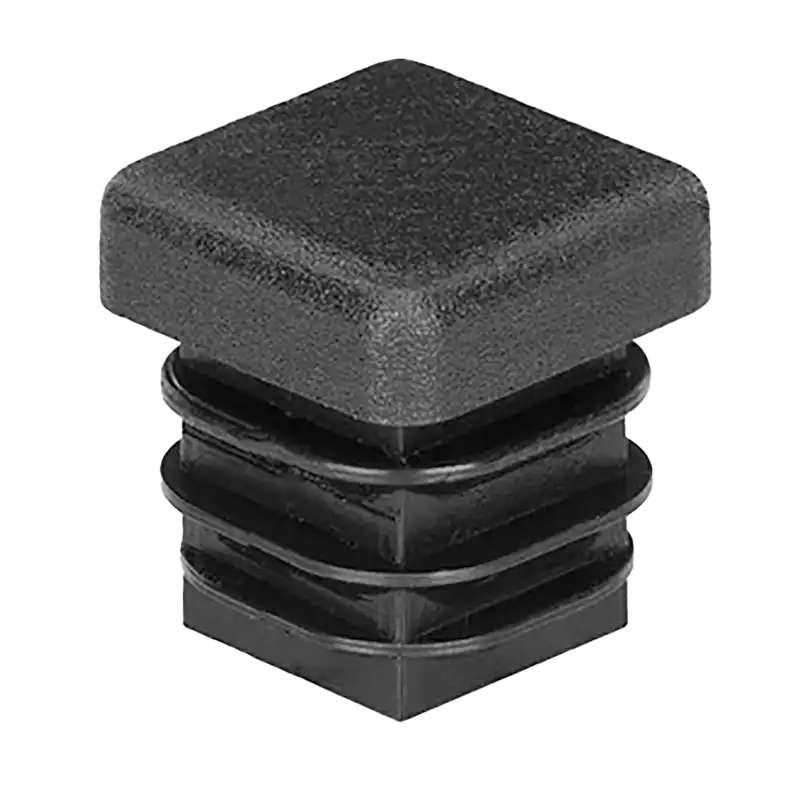
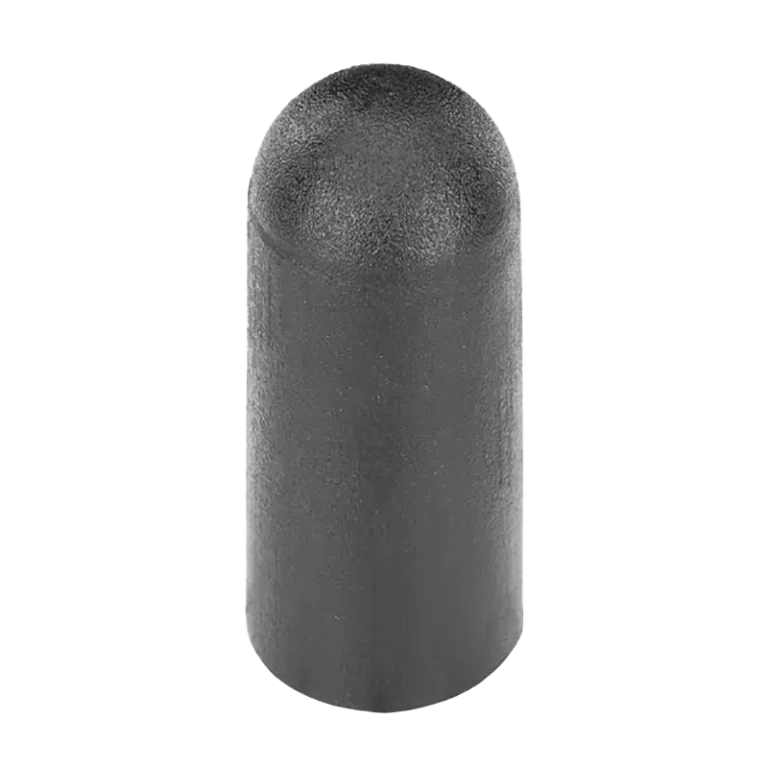
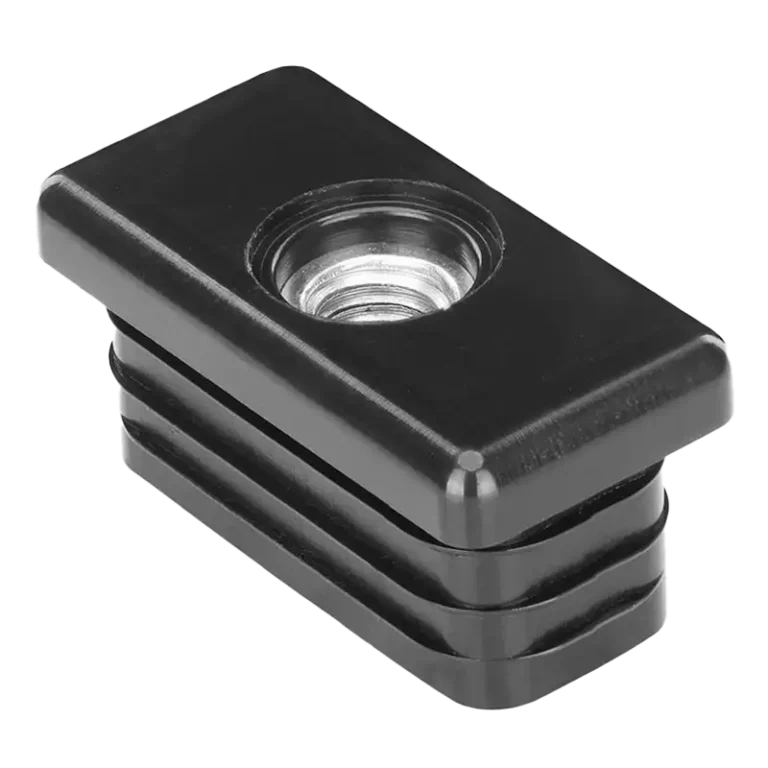
Learn how furniture plugs, caps, and threaded inserts are used to protect floors, finish furniture legs, and support glide or leveling foot installation across different leg shapes and sizes.
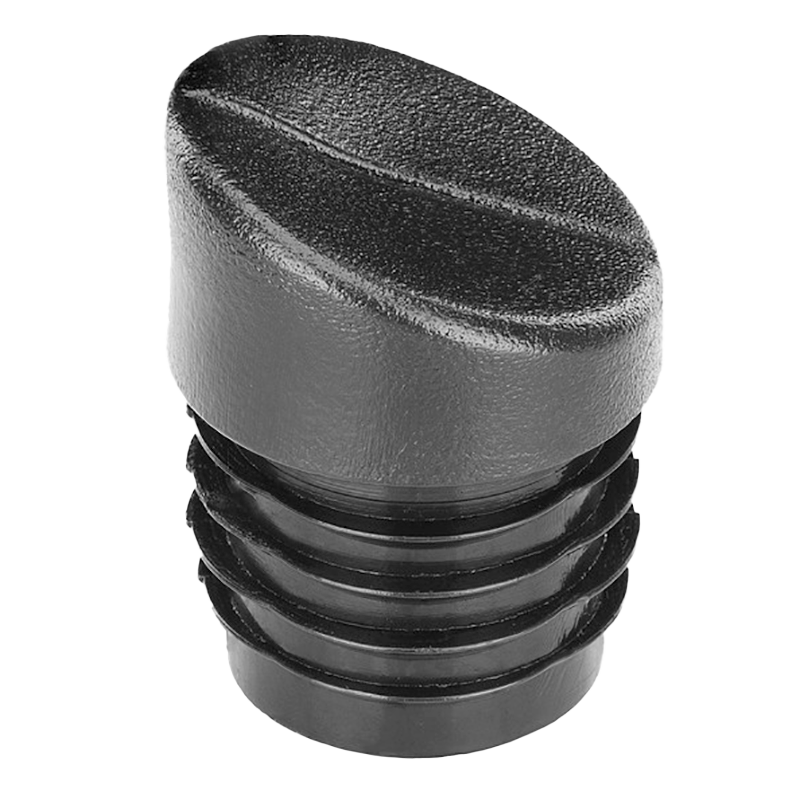
Choosing the right plug or insert solution depends on your furniture leg structure. Plugs work best for hollow legs, caps for solid legs, and threaded inserts for hollow legs that also require leveling feet for uneven floors.
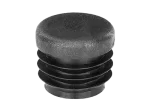
Best for: hollow furniture legs and clean, flush finishes
Fits inside hollow metal or plastic legs
Protects floors with a clean finished look
Spreads contact pressure evenly
Works with many leg shapes and profiles
Press fit install with no tools
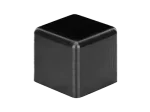
Best for: solid exposed leg ends for external coverage
Slides over the outside of furniture legs
Covers exposed edges to protect floors
Distributes pressure across the surface
Available in round and square profiles
Tool-free install with no modification
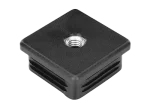
Best for: hollow legs and unlevel floors that require adjustable feet
Installs inside legs for threaded support
Allows precise height adjustment
Creates a secure internal connection
Fits round, square, and rectangular legs
Ideal for controlled leveling setups
Every furniture plug and threaded insert is engineered as a complete system — the material plays a specific role in fit, strength, and long-term performance.
Manufactured from performance-grade materials selected for each plug design, ensuring a secure fit inside furniture legs and long-lasting stability with reliable floor protection.
Depending on the plug design, plugs may be manufactured from PE, PA, or TPE, each selected for specific performance requirements.
PE plugs offer a flexible, durable structure that facilitates easy insertion and provides a secure press-fit inside furniture tubing. Engineered to resist moisture and common chemicals, PE maintains dimensional stability for reliable everyday use.
PA plugs deliver a rigid, high-strength structure that resists impact, wear, and deformation under load. Engineered for demanding applications, PA maintains its shape and performance during repeated use.
TPE plugs provide a soft, compressible structure that improves grip while absorbing vibration and noise. Engineered for tight-fit applications, TPE maintains long-lasting elasticity and consistent performance over time.
Formed from durable, flexible materials that shield exposed leg ends while helping prevent floor damage from daily use and movement.
PE caps provide a flexible, impact-resistant outer shell that protects exposed tube ends from damage while delivering a clean, finished appearance. Engineered to resist moisture and common chemicals, PE maintains its shape and protective performance under everyday use.
Produced using high-strength materials that create a reliable internal thread, allowing precise leveling and long-term structural stability.
PA threaded inserts provide a tough, wear-resistant body that grips securely inside furniture tubing while maintaining precise thread engagement. Engineered for dimensional stability, PA resists impact, chemicals, and deformation under repeated adjustment.
Fe HDG threaded inserts deliver a rigid, high-load metal core with long-lasting corrosion protection. Engineered for strength and durability, the galvanized coating protects the insert in demanding environments and commercial applications.
Quick answers to help you choose the right furniture plugs and inserts with confidence.
Plugs push inside hollow furniture legs, caps cover the outside of the leg, and threaded inserts push inside the hollow leg and allow adjustable leveling feet or bolts to be installed.
Use plugs for a flush, internal finish. Choose caps when a suitable plug isn’t available or when a damaged leg could cause floor damage.
They create a secure threaded connection inside hollow chair legs, allowing adjustable leveling feet to be used for uneven surfaces.
Yes. They prevent sharp tube edges from contacting the floor to stop damages and scratches and reducing noise from movement.
Measure inside dimensions for plugs and inserts, outside dimensions for caps, and match the tube shape.
Designed mainly for metal tubing, with options suitable for wood and plastic legs.
Some install by hand, others may need a small rubber mallet or simple tool depending on the design.
Yes — when correctly sized, they provide an exceptionally secure fit that outperforms standard inserts under regular and demanding use.