Ships nationwide · In-stock and made-to-order sizes
Ships nationwide · In-stock and made-to-order sizes
These are the glides we supply to hotels where chairs get dragged all day, now sized for the chairs in your home.
✓ Sized to the leg, not one-size-fits-all
✓ PA6 fiber on ABS, not felt
✓ In stock now, or made to order
✓ 30-day returns
Two rules cover most rooms: hard floors take a glide, carpet takes a slide. Pads, plugs, leveling feet and sled base glides handle the rest. Every line is sized to the leg, so pick the product first and the size next.
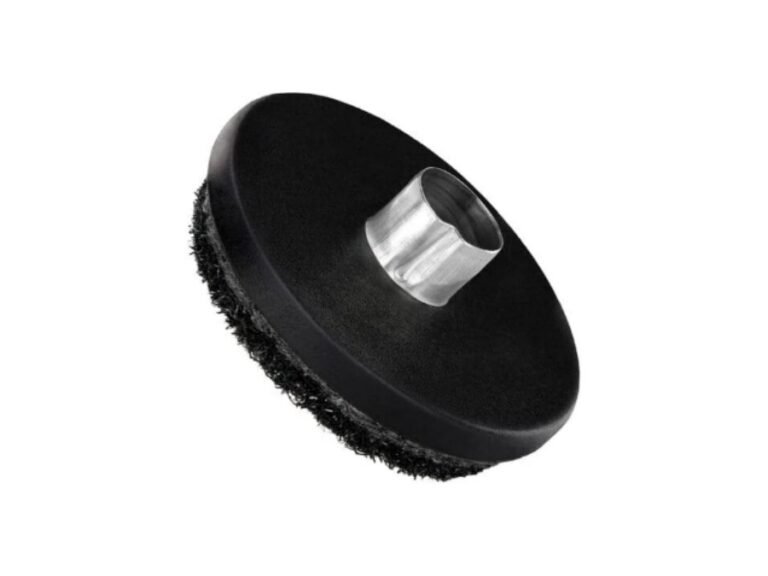
Hardwood, laminate, vinyl and all smooth hard floors. Nail-on or self-adhesive, matched to your leg size so they stay on and stay quiet.
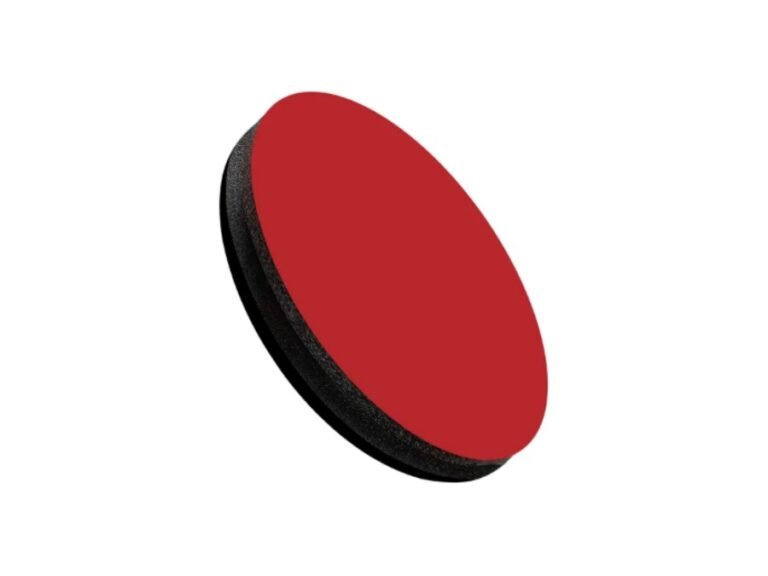
For carpet and rugs. A low-friction face moves heavy chairs in one push without snagging the pile.
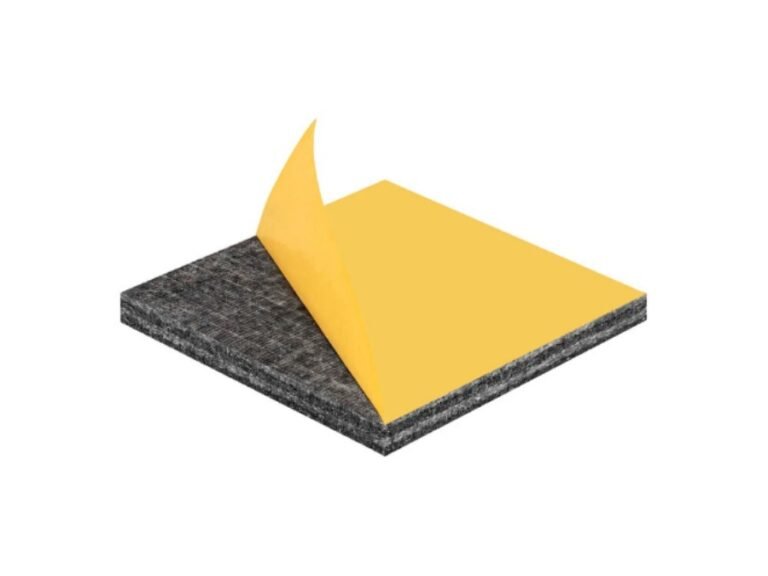
Peel, press, done. Self-adhesive pads that stay put.
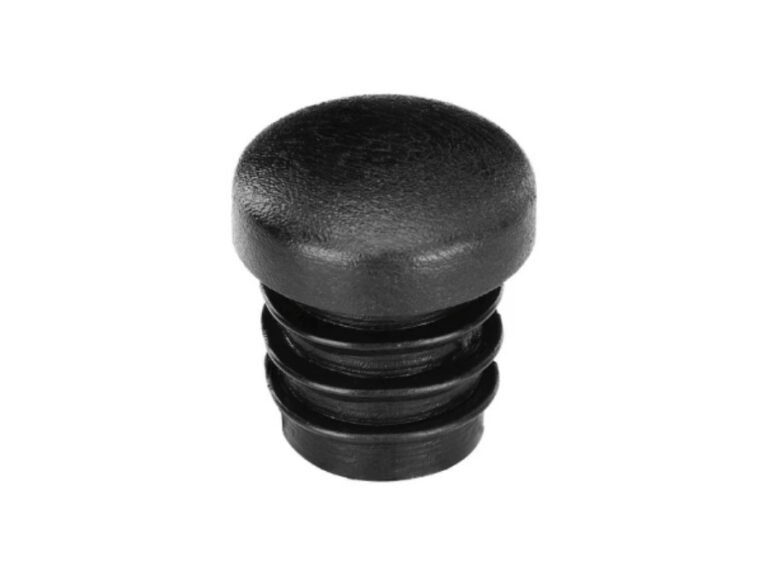
Close open tube legs cleanly. Threaded inserts let you screw in a leveling foot.
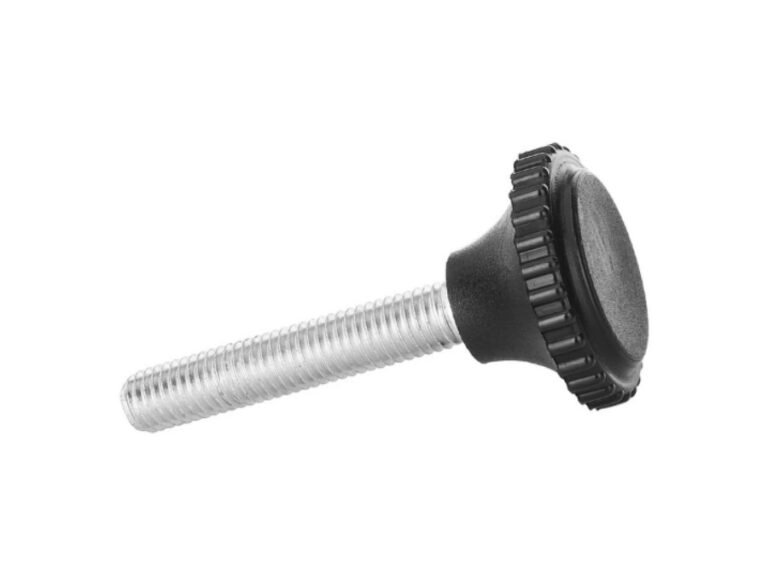
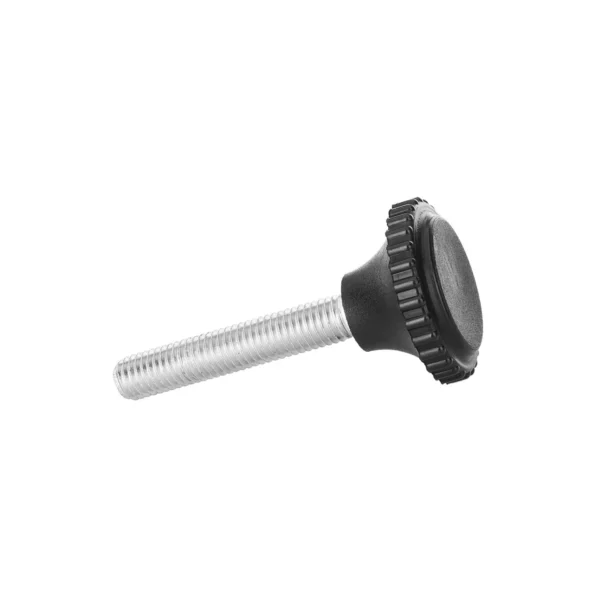
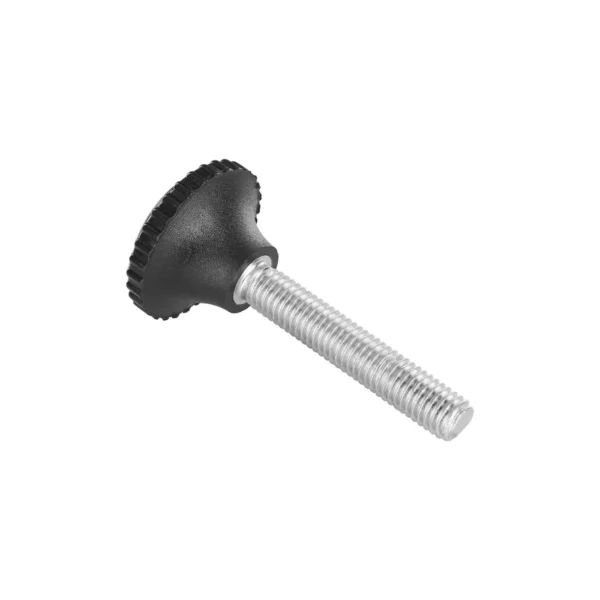
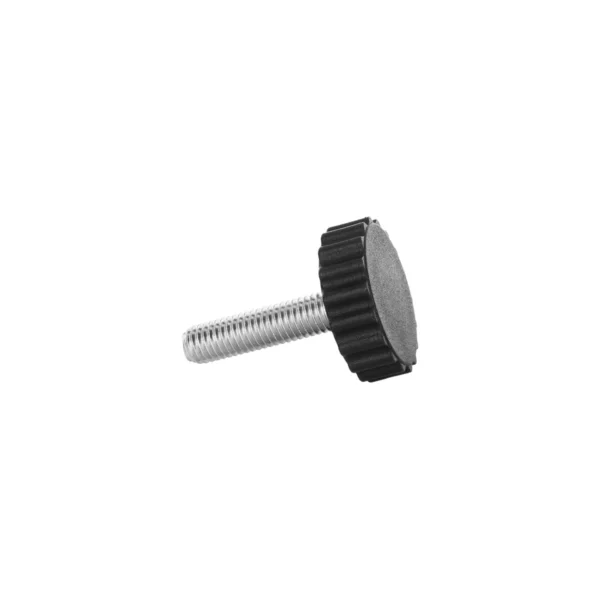
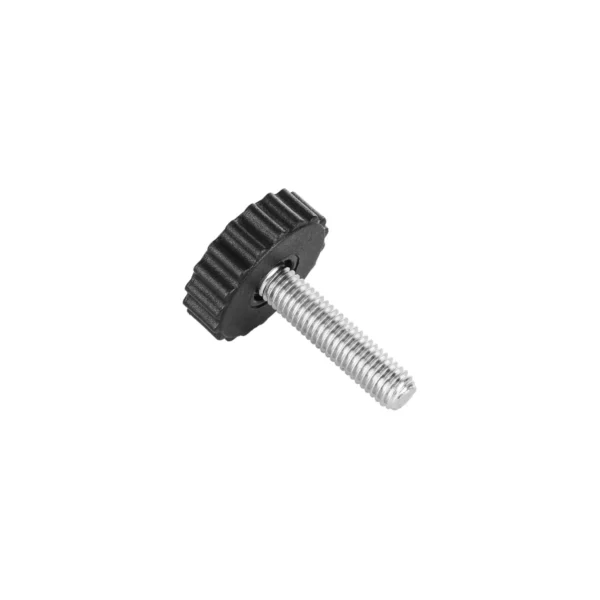
Level any table or cabinet on an uneven floor.
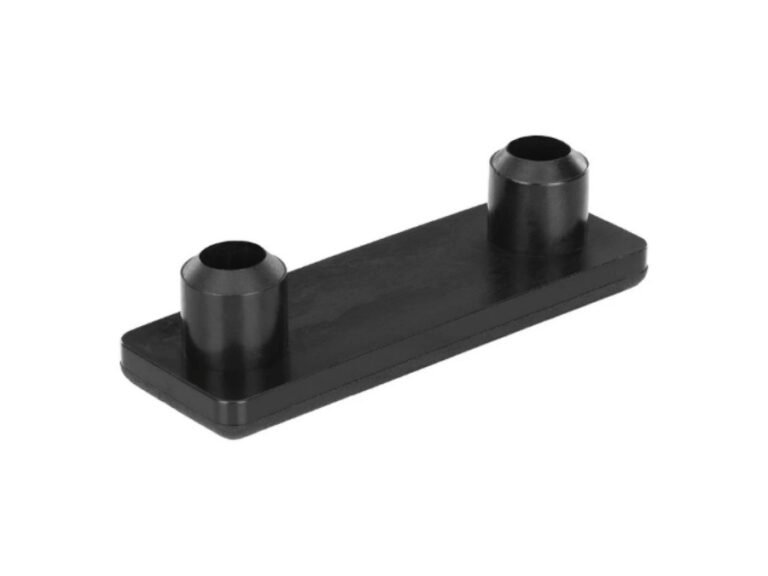
Protect the rails of sled base chairs on any floor.
Every furniture floor protector we keep on the shelf: glides and slides for the most common chair legs, plus pads and leveling feet. Pick the shape and mounting that matches your leg and check out in a minute.
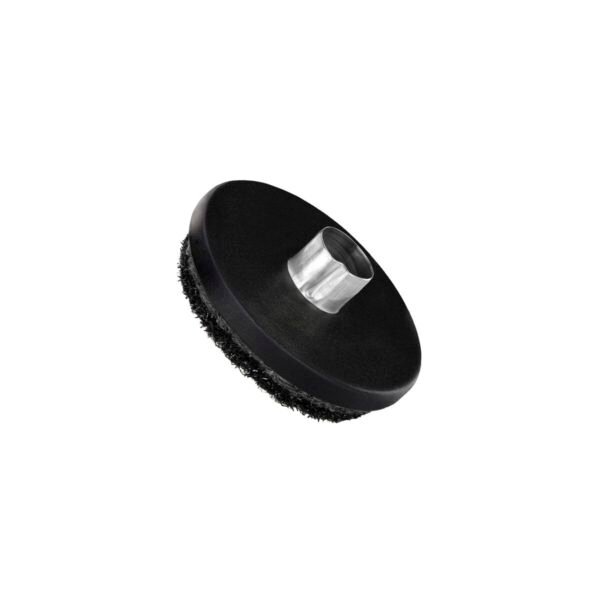
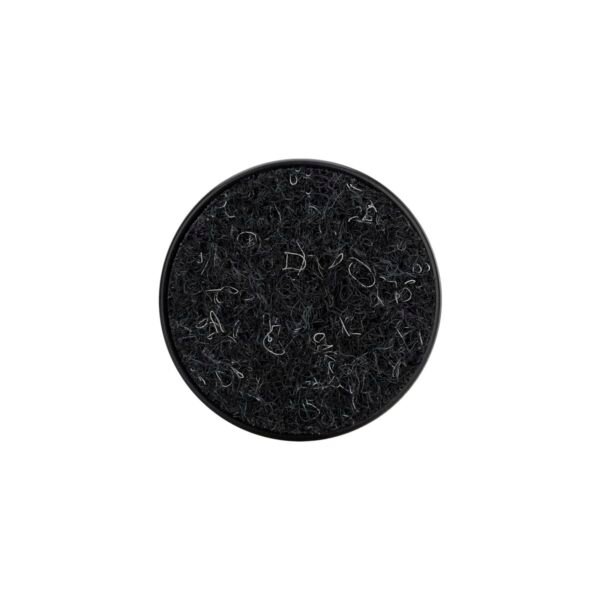
From $1.20 each
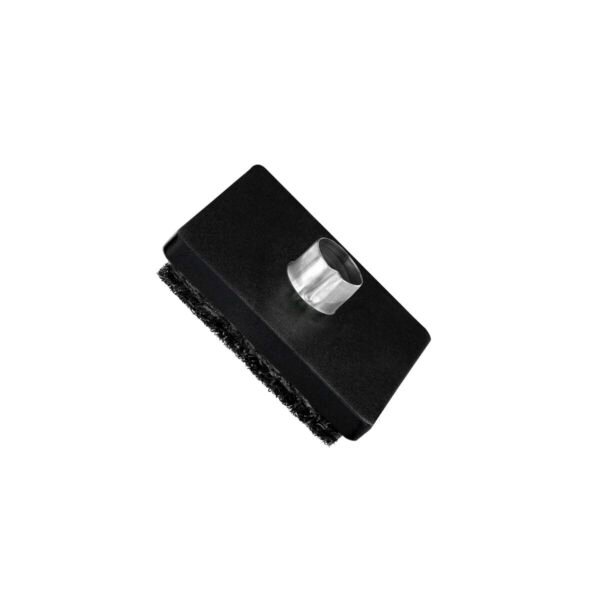
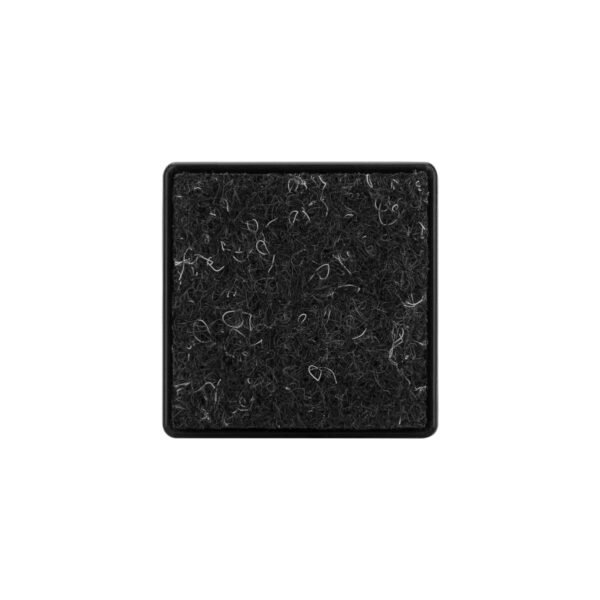
From $1.20 each
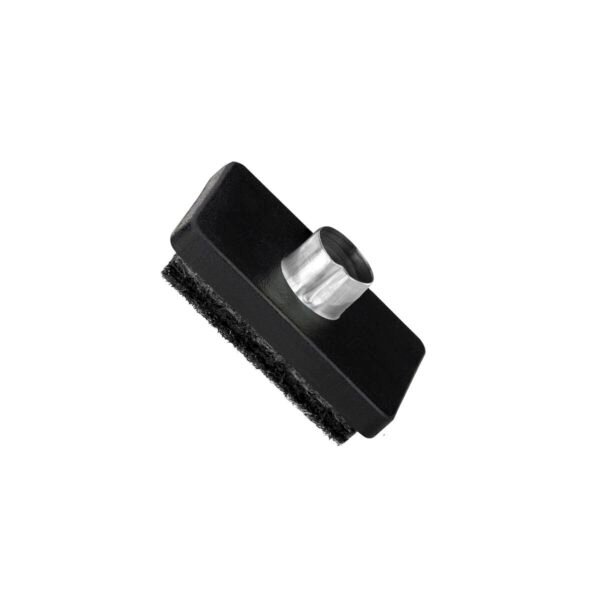
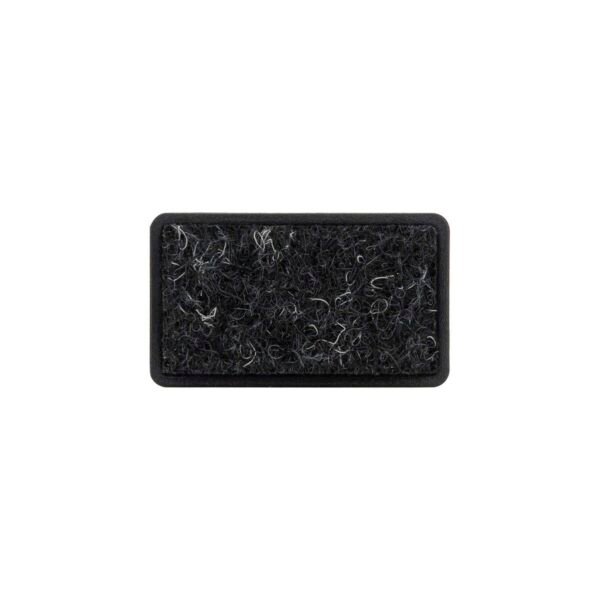
From $1.23 each
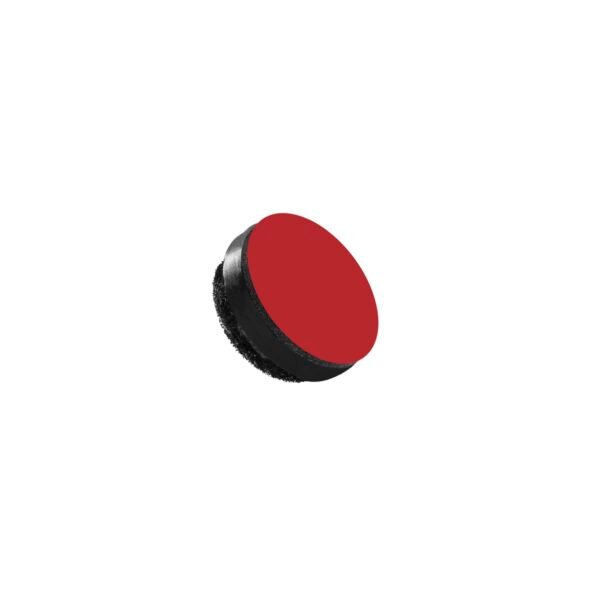
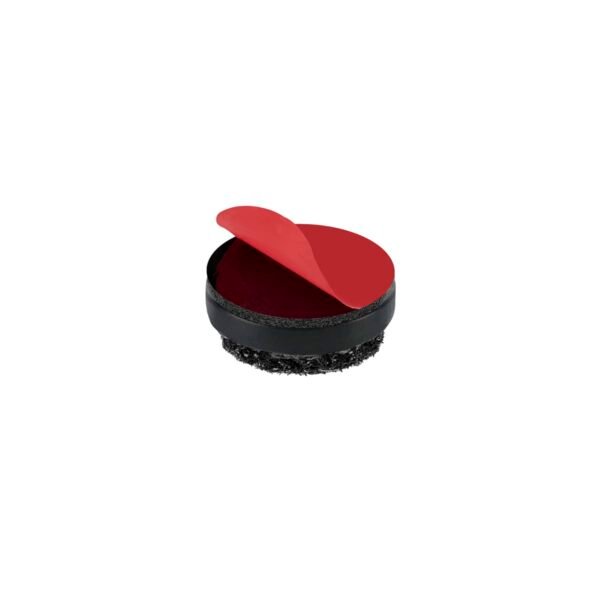
From $1.23 each
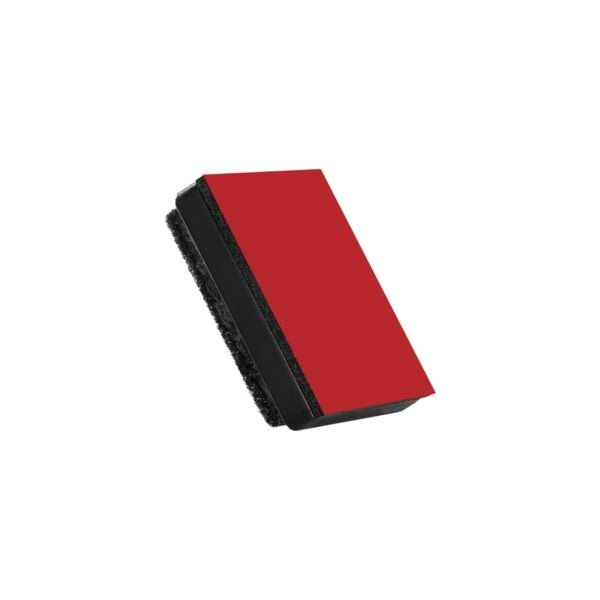
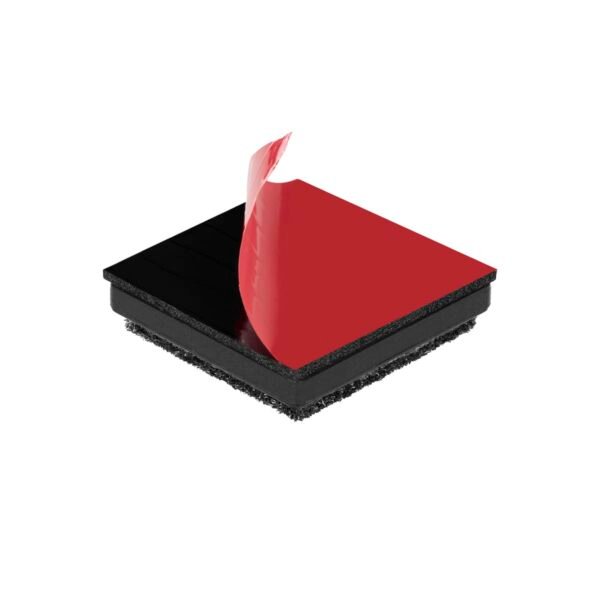
From $1.20 each
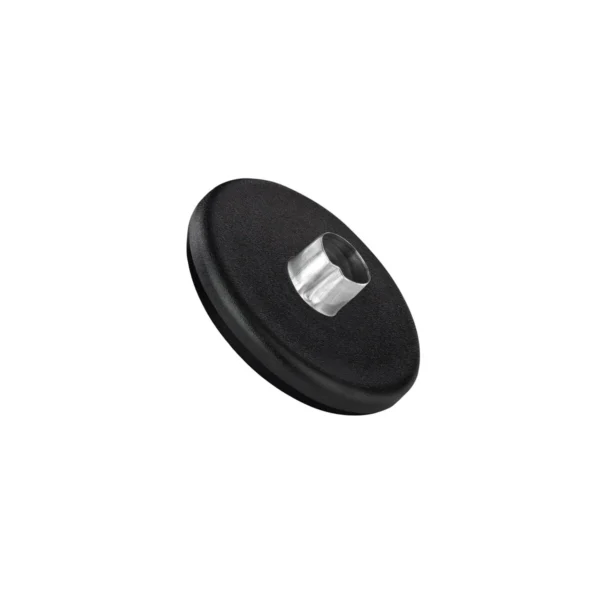
From $1.12 each
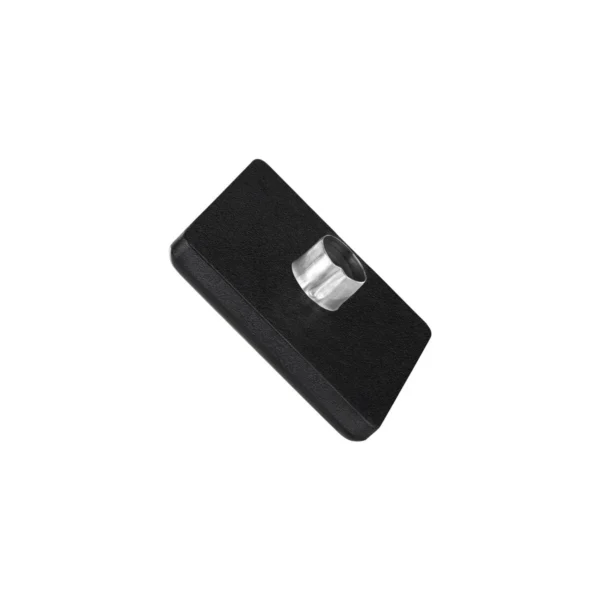
From $1.12 each
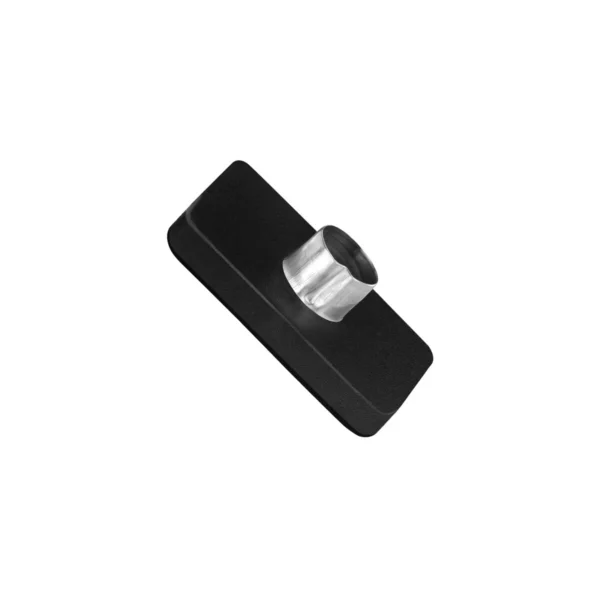
From $1.15 each
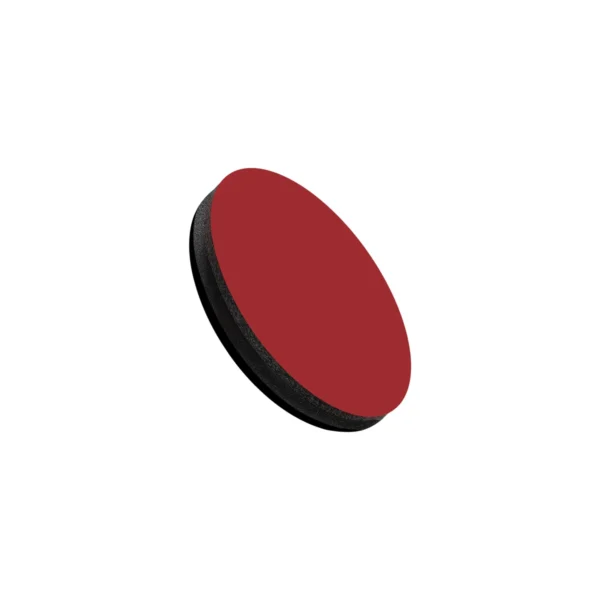
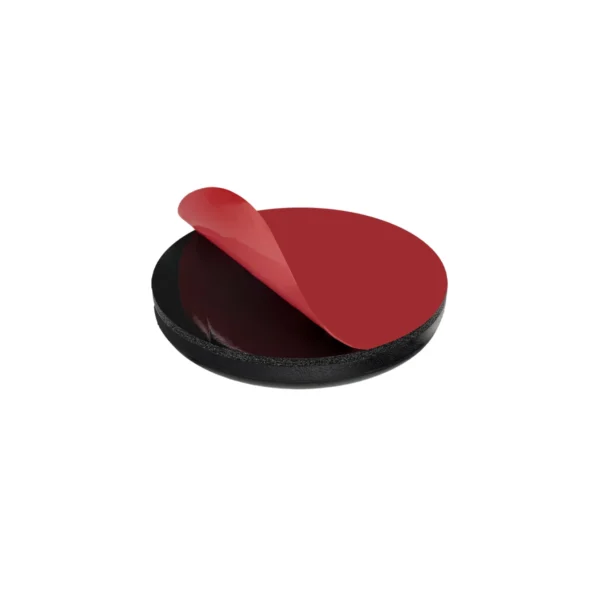
From $1.12 each
From $1.12 each
From $0.30 each
From $0.25 each
From $0.29 each
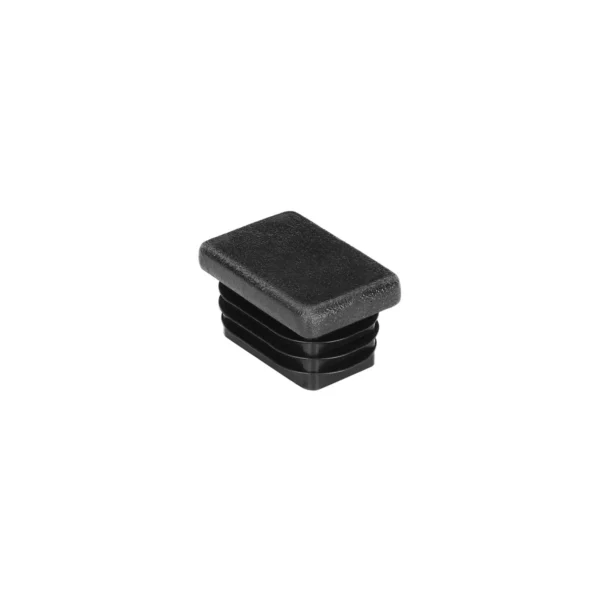
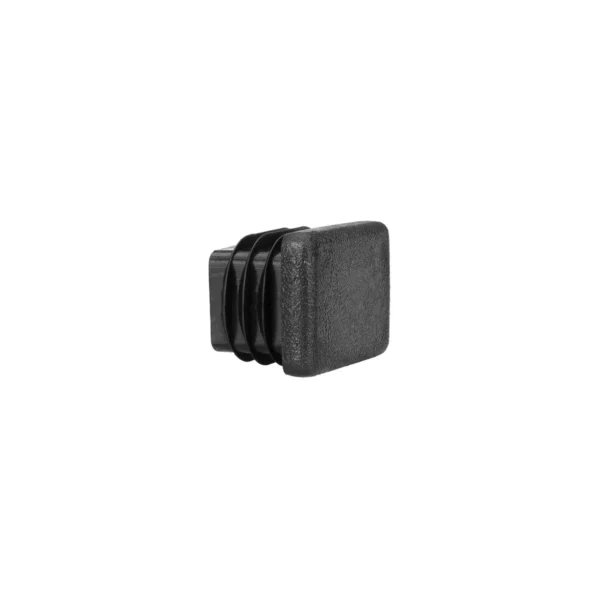
From $1.52 each
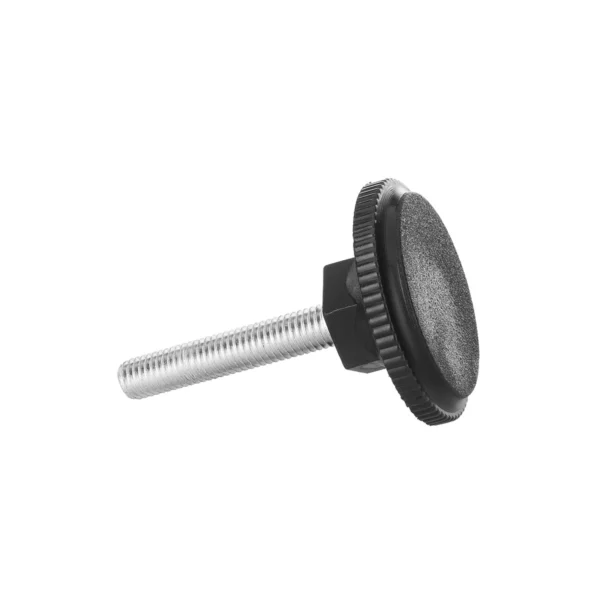
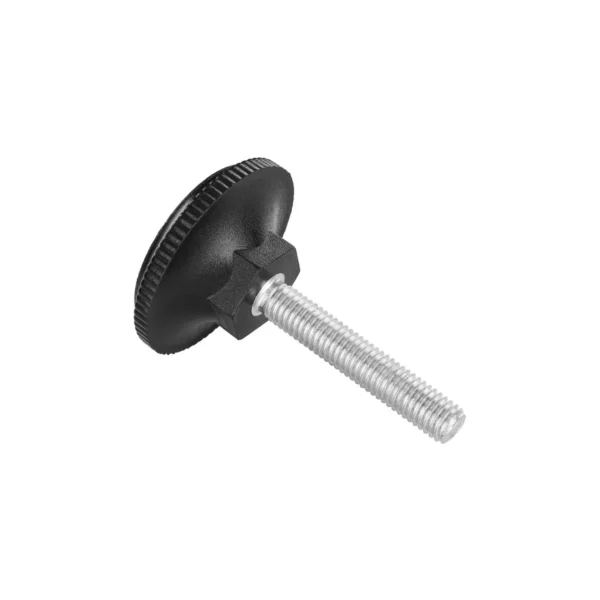
From $2.27 each
From $1.60 each
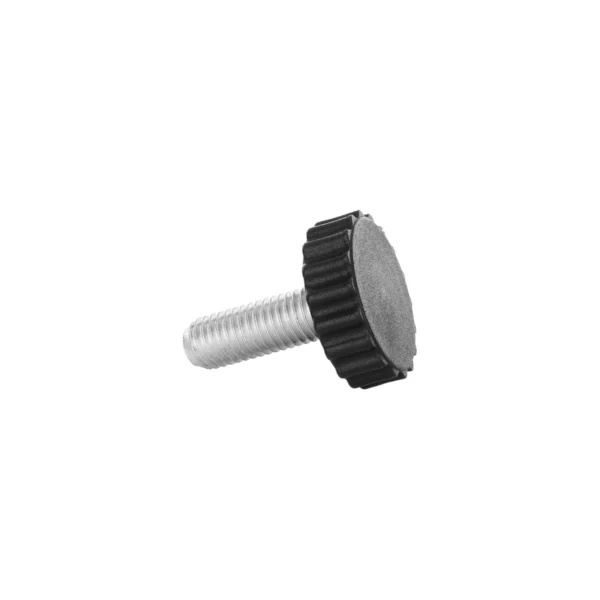
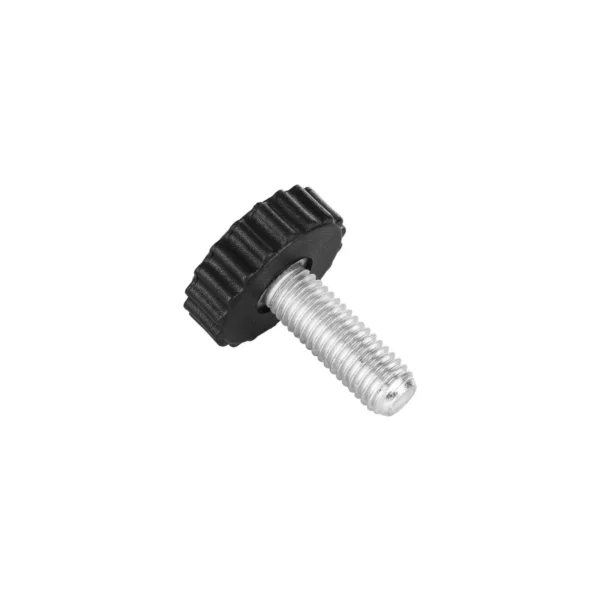
From $1.79 each
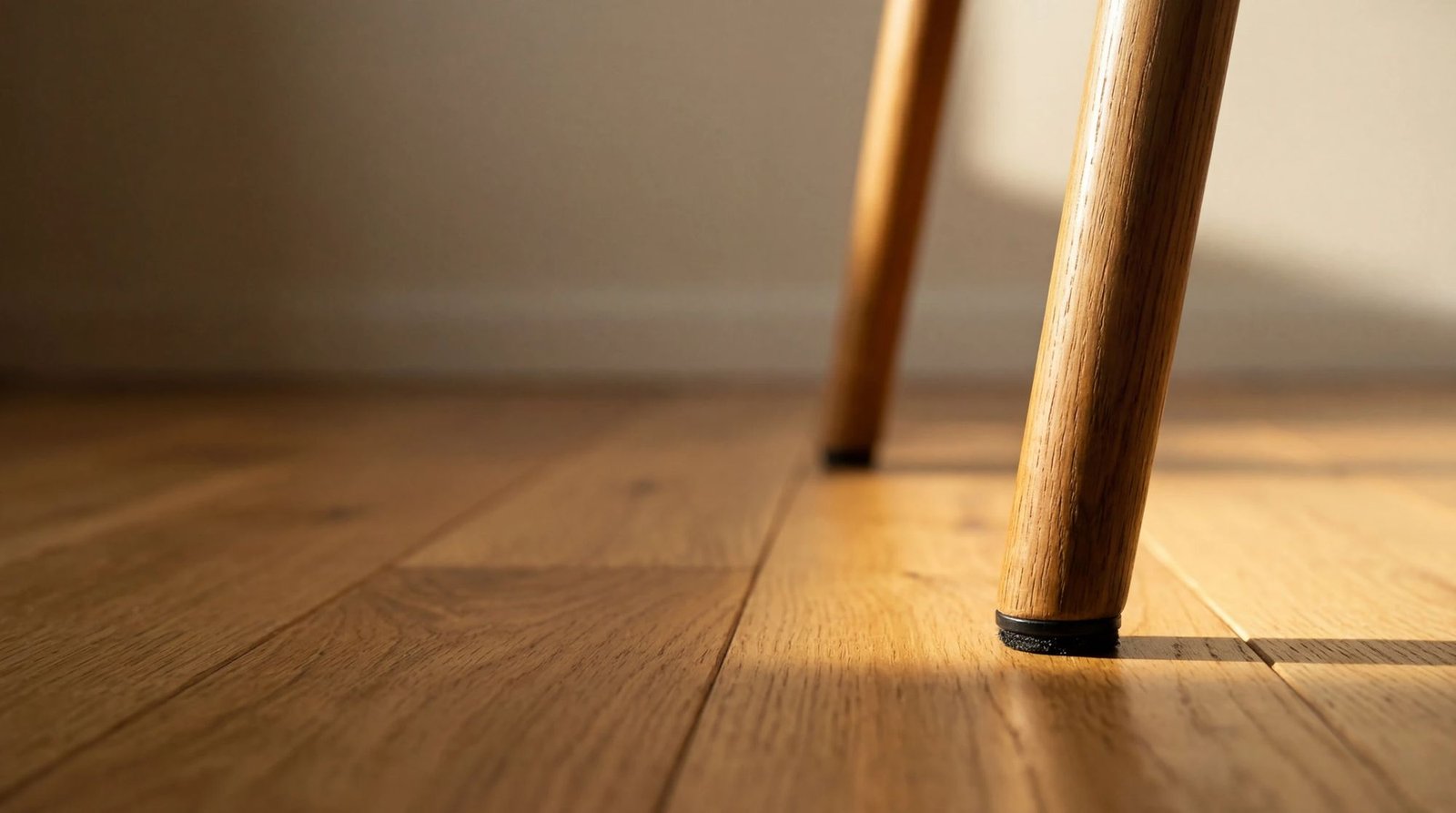
The problem
Felt works fine at first. Then it absorbs grit from the floor and starts acting like sandpaper on every drag. Hardware-store glides fail the other way: the plastic cracks, the nail stays in the leg, and a bare nail head becomes the lowest point on the chair.
Most people blame the chair, or the floor. Almost nobody blames the small pad or disc doing the damage. But that is where the scratches come from. The fix is not a better felt or a thicker nail. It is furniture floor protectors built from different parts.
The difference
Every hardware-store glide is a plastic disc on a nail. Ours is three parts, each with one job: a needle-punched PA6 face, a rigid ABS body, and a zinc-plated tubular rivet whose wide head is molded into the body. Here is what that changes.
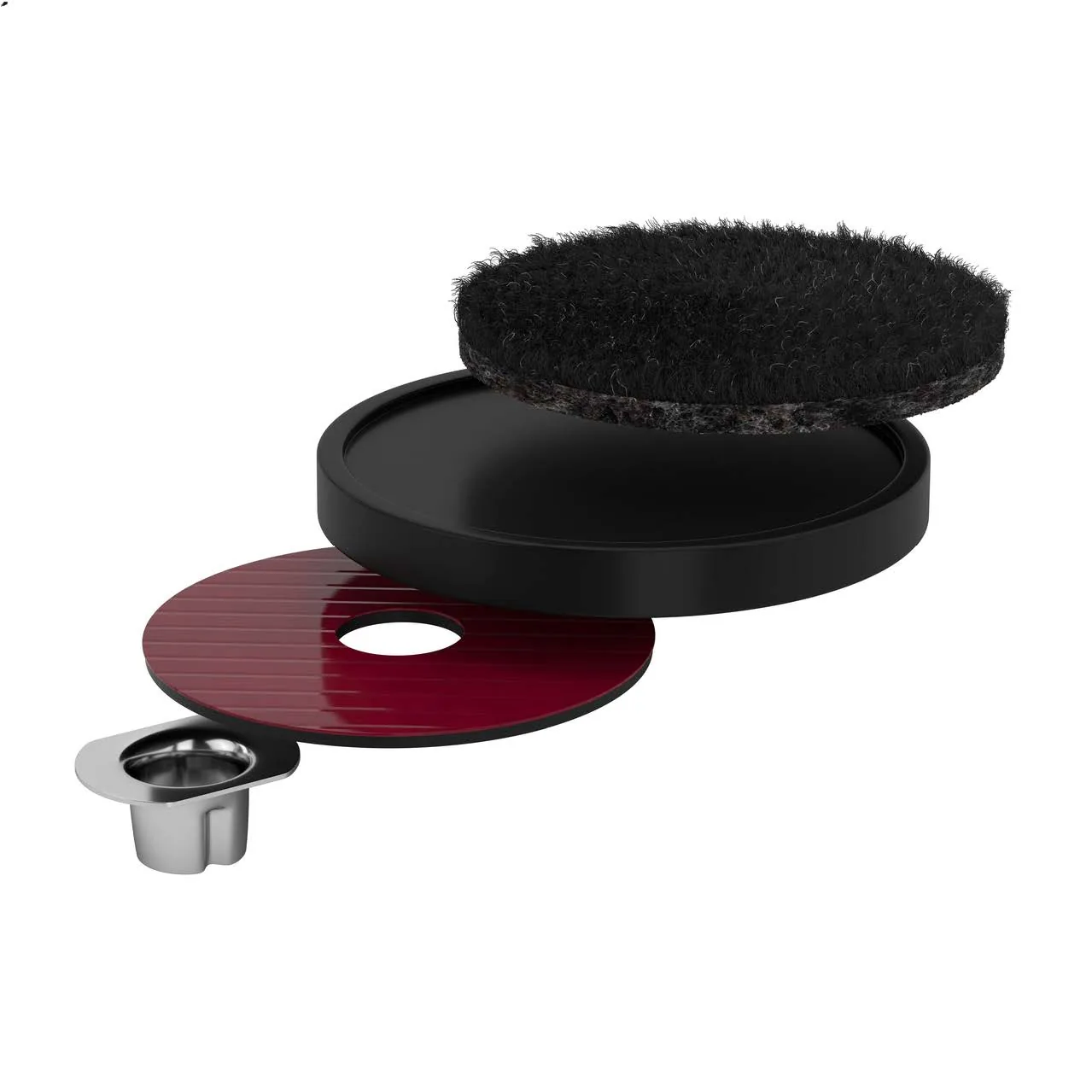
PA6 fiber face · ABS body · acrylic foam · tubular rivet
Ordinary glide
Superior Glide
How it attaches
✗ Single nail, pre-drilled
✓ Tubular rivet, no drilling; refits in the same spot
If the plastic breaks
✗ Nail stays in the leg and gouges the floor
✓ Rivet head is molded into the body; metal and plastic are one part
Sliding surface
✗ Bare plastic, or glued felt layers
✓ Needle-punched PA6, fibers upright, 1,450 g/m²
The body
✗ Soft plastic that cracks and ages
✓ Rigid ABS, the plastic used in car trim
Face held on by
✗ One hot-melt spot in the middle
✓ Bonded around the edges, where lifting starts
Shapes
✗ Round only; a nail lets it spin
✓ Round, square, rectangular; it cannot spin
Find your size
Measured the leg already? Type it in and we’ll name the size that fits. Not sure how, or it’s an odd shape? Ask the advisor underneath. Read the measuring guide or download the size chart (PDF).
Measure the flat base of the leg, right at the bottom where it meets the floor, not partway up. Type it in below and we'll tell you the size that fits.
Want a person to confirm it before you order? Email support@superiorglide.com with a photo of the leg and a ruler alongside, and we will name the exact part.
What people say
Sorry, no reviews match your current selections
From our customers
Photos and clips sent in from homes, restaurants and hotels after the parts went on.
Send us a photo or video of yoursOne picture or a short clip is plenty. We will do the rest.
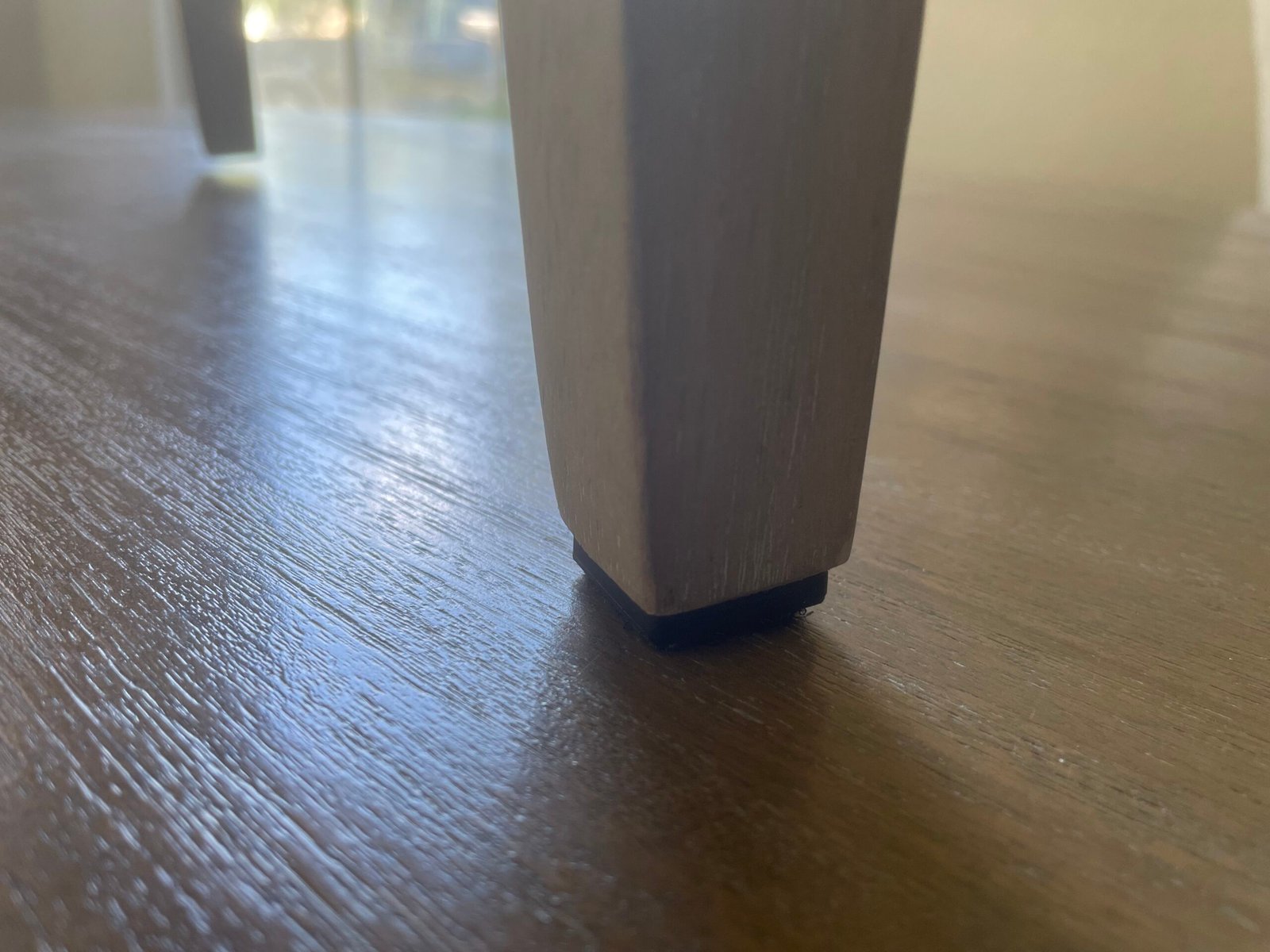
Plain-English guides from the people who size furniture floor protectors for hotels and restaurants every week, for anyone who has ever bought the wrong one.
Hard floor or carpet decides it in one sentence. Which face goes where, and what happens when you get it backwards.
Nail-on or self-adhesive. Which base material suits which floor, and how to tell a good glide from a cheap one.
Tile scratches and chips more easily than most people think. What to put under chairs, stools and tables, and what to avoid.
For business
Whether it is one boutique hotel or four hundred restaurant chairs, we help you choose the right furniture floor protectors, size them, and order with confidence. Written quotes and project support included.
FAQ
Everything people ask us about furniture floor protectors before they buy, answered honestly. If your question is not here, ask us directly.
No. The PA6 surface is needle-punched, with the fibers set upright rather than pressed flat and glued, so the pile takes the sideways force of a drag instead of shedding layers onto your floor. It is made for smooth hard floors: hardwood, engineered hardwood, laminate and luxury vinyl. For textured tile or stone with deep grout lines, fit furniture slides instead. For a deeper look at material choice, read the Furniture Glides Guide.
Measure the width across the bottom of the furniture leg in millimeters. For round legs, measure the diameter. For square legs, measure one side. For rectangular legs, measure both sides and give the longer one first. Match that measurement to the glide size on the product page. If you are between sizes, go to the smaller size so the glide stays hidden under the leg edge. For detailed help, see our Furniture Glides Guide.
No. Hard floors and carpet need different materials. Furniture glides use a PA6 surface for smooth hard floors like hardwood, laminate and luxury vinyl. Furniture slides use a hard ABS surface that skims over carpet pile instead of digging into it, and it also handles rough hard floors where grout lines would catch a glide. Using the wrong type leads to scratched floors or torn carpet fibers.
Both work on solid wood legs. Choose based on your install preference. Nail-on glides use a zinc-plated tubular rivet that locks into the wood grain for the strongest mechanical hold. Self-adhesive glides use extra-high-bond acrylic foam tape that bonds to wood, metal, plastic, and chrome. No tools required. Peel and press firmly, then leave it 48 hours to reach full strength. On metal, plastic, or chrome legs there is nothing for a rivet to bite into, so self-adhesive is the one to fit. Hollow tube legs are a different job again: a tube plug pushes into the open end and caps it, with the pad already bonded to the base.
Most of the time you can avoid it in two minutes. Measure the widest point of the leg base and match it to the size chart, and if you are between sizes or not certain, email a photo of the leg with a ruler beside it and the support team will confirm which size to pick before you order. If something does arrive wrong, you have 30 days to return it. Return postage is not covered, so the two-minute check is worth it.
Yes. We supply restaurants, hotels, offices, schools and property managers. For a whole room, a floor, or a fleet of chairs, request a quote and we come back with product selection, sizing, quantities and confirmed lead times. Free samples first if you want to test on your own floor. More on the Business Solutions page.
Get started
Everything in stock is ready to ship. If you are not sure which furniture floor protectors fit your chair or your floor, email a photo of the leg and the floor and we will tell you exactly what to fit.

I used the 20 × 60 mm self-adhesive glides on the metal feet of my counter stools over LVP flooring, and they fit very well with only a slight overhang. They make the stools easier to slide while helping protect the floor, and the adhesive has held securely so far.
I tried multiple stick-on pads and nothing works as well as these. I just added them so I’ll have to wait and see on longevity. But my hunch is they are not coming off until I remove them.
The feet came exactly as advertised – good quality and they worked perfect for my table!